

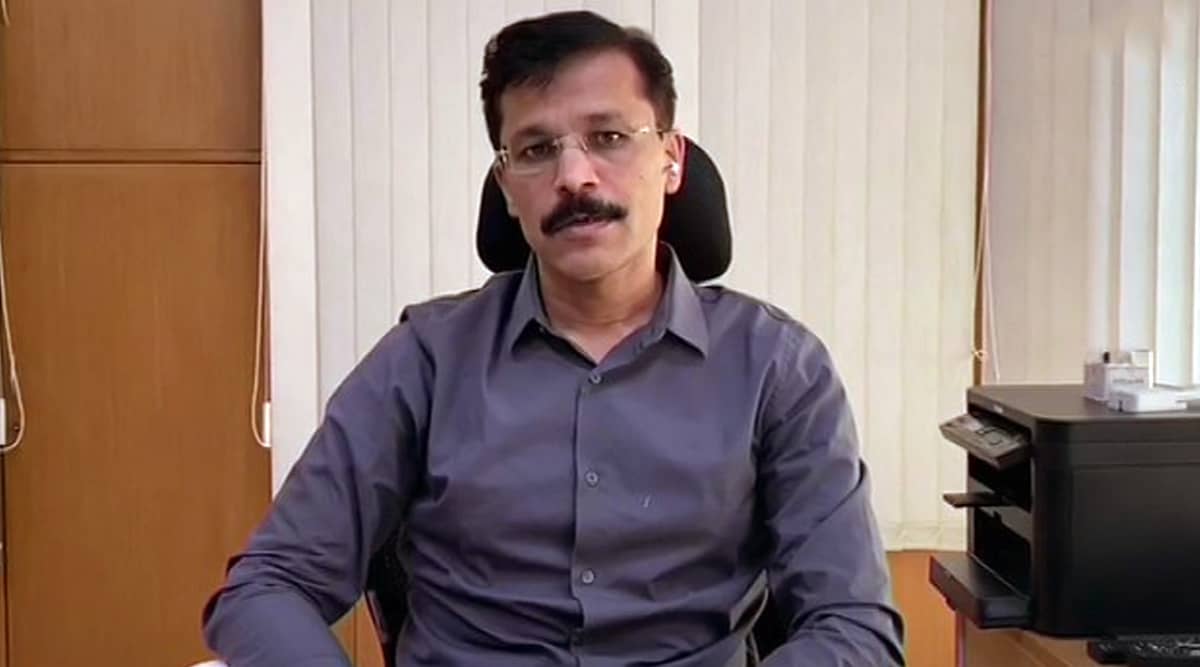

Statewide Enforcement Drive Targets School Food Safety Compliance
The Maharashtra Food and Drug Administration (FDA), under the decisive leadership of Commissioner Tukaram Mundhe, has initiated a comprehensive enforcement drive across the state. This significant undertaking mandates that all school canteens, hostel kitchens, mid-day meal contractors, and Anganwadis must secure valid licenses from the Food Safety and Standards Authority of India (FSSAI). This directive is not merely a procedural update but forms a central component of a broader, more stringent effort aimed at elevating food safety standards and nutritional quality within all educational institutions and child care centers.
Commissioner Mundhe publicly announced this initiative, underscoring its critical importance for the health and well-being of the state's youngest population. In his statement, he articulated that these orders are meticulously designed to ensure "safe food for every child in Maharashtra." The directive specifically targets all facilities responsible for providing meals and snacks to students, encompassing everything from daily school canteens to kitchens operating within hostels attached to educational establishments, recognizing their pivotal role in children's daily diets.
Commissioner Mundhe's Vision for Child Nutrition
The mandate from Commissioner Mundhe reflects a strategic focus on public health, particularly concerning children. By requiring FSSAI licenses, the FDA aims to standardize food preparation, handling, and storage practices across a vast network of food providers serving minors. This move is intended to mitigate risks associated with unhygienic conditions or unsafe food practices, thereby safeguarding students from foodborne illnesses and ensuring they receive nutritious meals in a secure environment. The emphasis on "safe food for every child" highlights a proactive approach to public health, positioning food safety as a fundamental right within the educational system.
Specific Prohibitions on Campus Nutrition
Beyond licensing, the Maharashtra FDA has implemented a critical ban on the sale or distribution of high-sugar and high-fat foods within school campuses. This prohibition applies universally to all canteens and food service providers regulated under the new enforcement framework. The restriction is a direct response to growing nutritional concerns, aiming to foster healthier eating habits among students and combat issues related to childhood obesity and diet-related health problems.
According to the terms set by the Maharashtra FDA, these specific food categories are no longer permissible for sale or distribution in any educational facility subject to the FSSAI license requirement. This includes not only direct sales through canteens but also extends to contractors managing extensive mid-day meal schemes, who must now meticulously adhere to this ban while maintaining their FSSAI licensing status. The directive necessitates a fundamental shift in menu planning and ingredient sourcing for all involved stakeholders.
New Regulatory Framework and Public Oversight
The introduction of mandatory FSSAI licensing marks a significant enhancement in the regulatory framework governing food services in Maharashtra's educational sector. An FSSAI license signifies that a food business operator complies with the food safety standards and regulations stipulated by the Food Safety and Standards Authority of India, a statutory body established under the Ministry of Health & Family Welfare. This license ensures that establishments meet specific hygiene, quality, and safety benchmarks, providing a layer of assurance regarding the food served to children.
Alongside the mandate for these valid licenses, a crucial new public portal has been launched by the administration. This digital platform serves as a vital tool for transparency and accountability, making it readily available for reporting food safety violations observed in schools, hostels, Anganwadis, or any other educational facilities across Maharashtra. The portal empowers members of the public, including parents, teachers, and concerned citizens, to submit reports regarding non-compliance with licensing requirements, instances where banned foods are being served, or any other observed breaches of food safety protocols.
Digital Platform for Citizen Reporting
The FDA Commissioner stated that this innovative reporting mechanism is integral to supporting the broader enforcement drive. By providing a direct and accessible channel for oversight, the portal transforms passive observation into active participation. Reports submitted through this system will be systematically reviewed and investigated as part of the ongoing efforts to maintain and enforce stringent food safety standards under state jurisdiction. This initiative aims to create a collaborative environment where the community plays an active role in monitoring and improving food safety for children.
Mandatory Licensing for Diverse Educational Settings
The directive's scope is intentionally broad, covering a spectrum of facilities crucial to child development and education. School canteens, which are typically located within or adjacent to educational institutions and serve students daily during breaks or lunch periods, are now under strict FSSAI compliance. Similarly, hostel kitchens, which provide essential meals for students residing in school accommodations, must also obtain FSSAI licenses according to the new orders issued by Commissioner Tukaram Mundhe, acknowledging their continuous role in student nutrition.
Furthermore, Anganwadis, which are community centers often associated with early childhood care, nutrition programs, and preschool education under government supervision, are explicitly included in this mandate. Their inclusion highlights the FDA's commitment to ensuring safe and nutritious food from the earliest stages of a child's development. Mid-day meal contractors, who manage large-scale food preparation and distribution for school children, also fall squarely within the scope of these new regulations, requiring them to adhere to both licensing and dietary prohibitions.
Operational Adjustments and Compliance Expectations
The new directives necessitate significant operational adjustments for school administrations and their associated food service providers. School administrators are now tasked with the critical responsibility of verifying that their canteen operators, hostel kitchen managers, and mid-day meal contractors hold current and valid FSSAI licenses before allowing them to continue operations. Failure to comply with this fundamental requirement could result in severe consequences, including penalties or the suspension of services, although specific penalty structures were not detailed in the initial announcement by the FDA.
Contractors managing mid-day meal schemes face the dual challenge of updating their documentation to reflect FSSAI compliance and meticulously ensuring that all food items served do not fall into the banned categories of high-sugar or high-fat products. This shift demands a comprehensive review of existing vendor contracts, a re-evaluation of ingredient sourcing, and a complete overhaul of menu planning and inventory management practices within school cafeterias and kitchens. The goal is to align all food service operations with the FDA's enhanced safety and nutritional standards.
Challenges for School Administration and Suppliers
The implementation of these new rules presents various challenges. School authorities must now integrate food safety compliance into their administrative oversight, potentially requiring new internal audit procedures and training for staff. Food suppliers and contractors, in turn, must invest in obtaining FSSAI licenses, which involves adhering to specific infrastructure, hygiene, and documentation standards. They also need to adapt their product offerings and recipes to exclude high-sugar and high-fat items, potentially impacting established supply chains and menu traditions. This transition requires close collaboration between schools, contractors, and the FDA to ensure a smooth and effective rollout.
Empowering Public Participation in Food Safety
The launch of the public portal represents a strategic effort to engage citizens actively in food safety monitoring. By providing a dedicated and accessible space for reporting violations, the Maharashtra FDA aims to foster a more transparent and accountable environment regarding food handling practices in schools and child care centers. This mechanism not only serves as a deterrent against non-compliance but also builds public trust by demonstrating the administration's commitment to involving the community in safeguarding children's health.
Commissioner Tukaram Mundhe emphasized that these comprehensive measures are part of a holistic strategy to protect student health through robust regulatory compliance and empowered public participation. The enforcement drive is ongoing, with the administration actively working to implement these directives consistently and effectively across all districts within Maharashtra, aiming for a lasting positive impact on child nutrition and well-being statewide.