


Mariners Suffer Heavy Defeat in Series Finale
A Lopsided Conclusion at T-Mobile Park
The Seattle Mariners concluded their three-game series against the Chicago Cubs with a staggering 19-2 loss on Sunday at T-Mobile Park. This resounding defeat not only marked the end of the series but also starkly highlighted the ongoing difficulties plaguing Seattle's pitching staff, which has faced significant challenges and inconsistencies over the past two months. The final score was a clear reflection of a dominant offensive performance by Chicago and a struggling, ineffective effort from Seattle's pitchers throughout the entire game.
The magnitude of the 19-2 scoreline underscored a significant disparity between the two teams on Sunday night. For the Mariners, it represented one of the most lopsided losses of their season, raising concerns about the team's ability to contain potent offenses, especially at home.
Manager Wilson's Difficult Decision
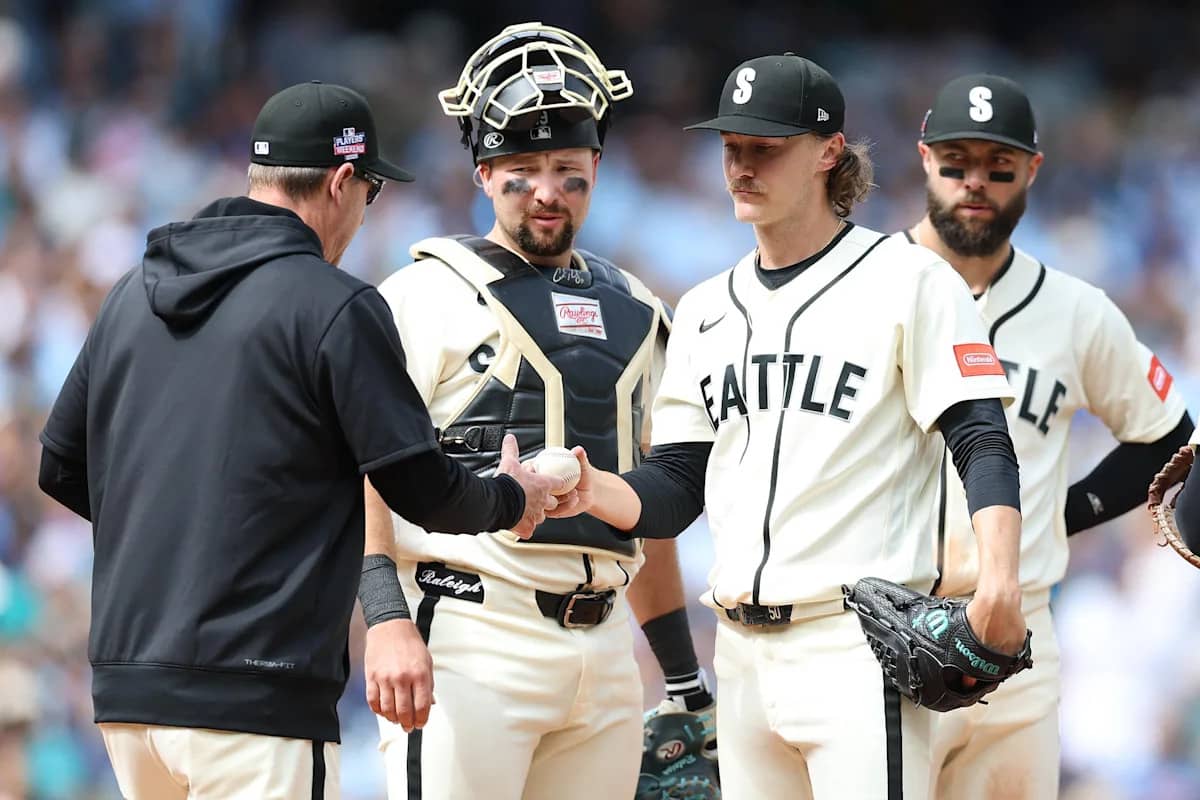
Mariners Manager Dan Wilson made the decision to remove starting pitcher Bryce Miller during the fifth inning of the contest. Miller, who is in his fourth season with the Mariners, struggled considerably to maintain effectiveness on the mound from the outset. Reports indicated that Miller was unable to complete five full innings, an early exit that placed immediate pressure on the Mariners' bullpen. The decision to pull Miller early was a direct consequence of his inability to find a rhythm and limit the Cubs' scoring opportunities.
Miller's Short Outing and Bullpen Collapse
Starter's Career Low Point
Bryce Miller's performance against the Cubs was characterized by early and frequent struggles, leading to a challenging outing. Reports specifically described his start as "brutal" and noted that it represented a low point in his career thus far. Despite having previously secured a firm role within the Mariners' pitching rotation, earning starts after a period in the bullpen, Miller failed to navigate through even five innings against the aggressive Cubs lineup. His inability to pitch deep into the game forced the Mariners to turn to their relief corps much earlier than anticipated, setting a difficult tone for the remainder of the contest.
Relievers Unable to Stem the Tide
Following Miller's early exit, the Mariners' relief pitchers also struggled significantly to contain the Cubs' relentless offense. The combination of the starting pitcher's short outing and the subsequent performance by the relievers directly contributed to the exceptionally high score. Pitchers such as Jhonny Pereda and Weston Wilson were among those called upon in the later stages of the game, tasked with the challenging goal of halting the Cubs' offensive output. However, despite their efforts, they were unable to stem the tide, as Chicago continued to pile on runs, further widening the already substantial lead.
Two Months of Pitching Woes Evident
The pitching staff's struggles, which have been a noticeable trend over the last two months, were starkly evident in this particular loss. The team has faced increasing criticism for its inability to consistently shut down opposing offenses and maintain leads, and this game served as another prominent example of those persistent difficulties. Allowing a staggering 19 runs represented a significant challenge not only for the pitchers themselves but also for the Mariners' defense and the overall morale of the team, highlighting a critical area for improvement as the season progresses.
Series Concludes with Mixed Feelings for Seattle
A Series Win Overshadowed
While the Mariners had managed to secure a series victory against the Cubs earlier in the matchup, the final game's devastating result prevented them from putting a positive cap on that achievement. The 19-2 loss in the finale left the overall outcome of the series with decidedly mixed feelings in terms of performance metrics and team momentum. Despite winning the series, the nature of the final defeat cast a shadow over the preceding successes, underscoring the team's current vulnerabilities.
Cubs' Dominant Offensive Display
Chicago's offense capitalized relentlessly on Seattle's pitching struggles throughout the game, securing their 19-2 victory with an impressive display of hitting. The Cubs' performance was characterized by its effectiveness, as they consistently prevented any potential rally by the Mariners from gaining traction. The final scoreline reflected a complete game control by Chicago, demonstrating their ability to maintain offensive pressure and ensure the Mariners were unable to mount any significant comeback attempt, effectively shutting down any hope for Seattle.
Looking Ahead for Seattle's Pitching Staff
The loss against the Cubs adds to the Mariners' recent record of pitching difficulties, making the improvement of their pitching performance a critical focus moving forward. As the team continues to navigate the demanding baseball season, addressing these inconsistencies will be paramount to their success. With the series against the Cubs now complete, ending in a decisive and memorable win for Chicago, the Mariners must regroup and strategize on how to overcome the challenges currently facing their pitching staff in upcoming matchups.