



Observers Prioritize Regional Self-Reliance Over External Mediation
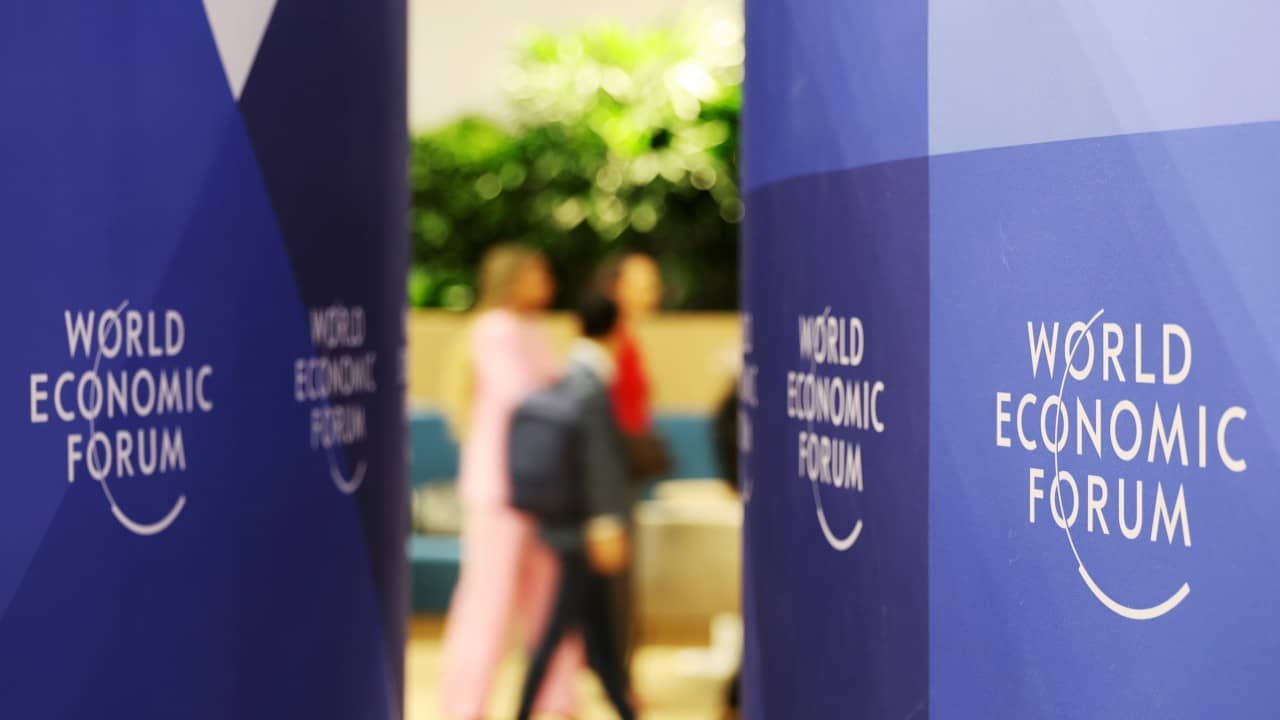
The annual gathering known as Summer Davos convened this week in Dalian, a city located within Liaoning province. The event took place under the auspices of the World Economic Forum. Corporate leaders from Middle Eastern nations attended the meeting to discuss strategies for regional recovery and rebuilding efforts following recent conflicts.
Observers present at the forum expressed a specific view regarding the drivers of change in the region. According to these observers, economic integration within the Middle East is more likely to drive transformation than external mediation efforts. While China may be perceived by some as a potential mediator in broader diplomatic contexts involving the Middle East, the consensus among attendees was that internal regional cooperation holds greater weight.
This sentiment emerged against a backdrop of intense geopolitical activity. The meeting occurred simultaneously with high-level negotiations between Washington and Tehran. These two nations are currently attempting to reach an agreement concerning Iran's nuclear programme as well as the reopening of the Strait of Hormuz, a critical waterway for global trade and regional security.
Recent diplomatic developments have included a specific commitment from both countries to halt fighting on all fronts. This truce was established following nearly four months of conflict that began with coordinated air strikes by US and Israeli forces inside Iran. The agreement stipulates a cessation of hostilities lasting 60 days, providing a temporary window for dialogue and assessment.
Corporate Leaders Highlight Massive Need for Rebuilding
Celebrity speakers at the forum focused heavily on the physical aftermath of recent wartime destruction. Corporate leaders stated that damage across Iran, Israel, and various Gulf states has created an immediate and massive need to rebuild infrastructure and economic systems.
Mazen Darwazah, who serves as executive vice-chairman of Jordan-based Hikma Pharmaceuticals, addressed the audience regarding these reconstruction challenges. He noted that the destruction left a significant financial burden described by him as a "big bill." However, he also framed this situation differently for his peers in attendance.
"We failed in politics," Darwazah said during his remarks to the gathering. The executive vice-chairman suggested that while previous political efforts did not achieve desired outcomes, there is now hope that a new generation could succeed where others have struggled. He expressed this by stating, "Maybe now, hopefully, with the new generation [we] can work together," indicating a shift in perspective toward collaborative rebuilding.
The forum attendees identified specific opportunities within the context of destruction. They argued that the current situation presents a historic opportunity for younger leaders to take charge of recovery efforts. This view contrasts with previous decades where external actors were often relied upon more heavily for reconstruction projects.
Shift Toward Local Capacity and Independent Leadership
A key theme emerging from the discussions was the increased capacity of local companies in the region. Mazen Darwazah suggested that educated local enterprises are now far better equipped to independently lead rebuilding efforts compared to previous decades. This assessment reflects a belief that regional firms have developed sufficient expertise and resources to manage large-scale reconstruction without relying solely on foreign intervention.
The focus on youth leadership extends beyond mere rhetoric about generational change. The implication is that the current cohort of business leaders possesses unique advantages over their predecessors. These advantages include access to modern technologies, a different approach to international relations, and perhaps a greater willingness to engage in direct regional cooperation rather than seeking external political solutions.
The timing of these remarks was particularly significant given the broader geopolitical context. The World Economic Forum meeting coincided with Washington and Tehran trying to reach agreement on Iran's nuclear programme and the reopening of the Strait of Hormuz. This alignment suggests that economic discussions at Dalian are taking place alongside high-stakes diplomatic negotiations.
The two countries involved in these talks have agreed to halt fighting "on all fronts" for 60 days, following almost four months of conflict set off by coordinated US and Israeli air strikes inside Iran. The agreement provides a framework within which economic leaders can operate without the immediate threat of active warfare disrupting their plans.
Observers at the forum maintain that while China may be seen as a potential mediator in the Middle East, economic integration within the region is more likely to drive change there. This perspective suggests that long-term stability will depend on how well regional nations can integrate economically rather than relying solely on diplomatic mediation by outside powers.
The gathering underscores a belief that the next generation of leaders from Jordan and other Gulf states are uniquely positioned to address these challenges. By focusing on rebuilding efforts, they aim to turn wartime destruction into an opportunity for renewed economic cooperation across borders.