

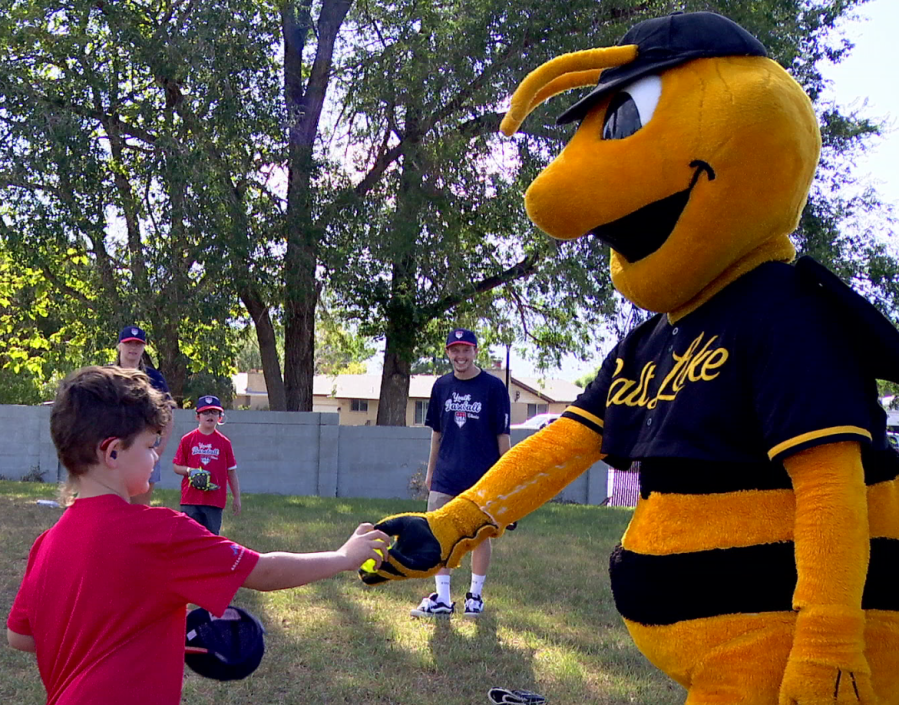

National Deaf Baseball Team Engages Local Youth
A distinguished group of players from the United States national deaf baseball team recently hosted a free youth clinic in Salt Lake City, providing invaluable instructional training to children who are Deaf and Hard of Hearing. The event, held on a Saturday, served as a significant preparatory gathering for the national athletes before their imminent departure to represent the United States at an upcoming world championship.
The clinic offered direct, hands-on baseball instruction, a crucial element designed to maximize engagement and learning for the young participants. Led by experienced members of the national team, the session focused on fundamental skills and techniques essential to the sport. Participants, primarily youth from the local community who identify as Deaf or Hard of Hearing, benefited from personalized guidance and demonstrations from athletes operating at an elite level.
The training environment was crafted to be supportive and inclusive, allowing children to actively participate and develop their baseball abilities under the tutelage of role models who understand their unique experiences. This direct interaction between the national team players and the younger athletes fostered a sense of community and shared passion for the sport, reinforcing the idea that hearing impairment is not a barrier to athletic achievement.
Fostering Accessibility and Athletic Inspiration
A core principle of the Salt Lake City clinic was its emphasis on accessibility. By offering the session entirely free of charge, organizers successfully removed financial barriers that might otherwise prevent interested Deaf and Hard of Hearing youth from participating. This commitment ensured that the opportunity to learn from national-level athletes was available to a broad spectrum of the community.
The hands-on nature of the training was particularly vital, allowing children to physically engage with the sport and receive immediate feedback. This practical approach, combined with the guidance of professional-level Deaf athletes, served to demonstrate baseball fundamentals effectively while simultaneously highlighting the impressive capabilities of Deaf athletes in competitive sports. The presence of these national team members underscored the high level of skill and dedication required to compete at a world championship level, offering tangible inspiration to the aspiring young players.
The clinic aimed to do more than just teach baseball skills; it sought to foster a deeper interest in the sport among Deaf and Hard of Hearing youth. By showcasing Deaf athletes excelling on a national stage, the event potentially inspired future generations to pursue their athletic dreams, demonstrating that pathways exist for them to reach high levels of competition. This commitment to youth development and the promotion of adaptive sports was a central theme of the gathering.
Team Prepares for Global Championship Stage
The timing of the Salt Lake City clinic was strategically aligned with the final preparations of the national deaf baseball team. The players are intensely focused on their mission to represent the United States at the forthcoming world championship, an event that demands not only peak athletic performance but also significant international travel and intricate logistical coordination. The clinic provided a meaningful opportunity for community engagement and outreach just before the team transitioned fully to their demanding international duties.
Participating in a world championship signifies the pinnacle of competition for these athletes, requiring them to compete against the best Deaf baseball teams from around the globe. This level of representation carries with it the honor and responsibility of embodying the spirit and skill of American adaptive sports on an international platform. The intense training and camaraderie fostered within the team are critical as they prepare to face formidable opponents.
The journey to a world championship is a culmination of years of dedication, rigorous training, and unwavering commitment from each player. The brief stop in Salt Lake City allowed the team to share their passion and expertise with a younger generation, reinforcing the broader impact of their athletic pursuits beyond the competitive arena.
Salt Lake City's Role in Adaptive Sports Development
The selection of Salt Lake City as the venue for this significant event provided a central and accessible location for the gathering. The clinic drew attention from local residents and media, highlighting the importance of adaptive sports and youth development initiatives within the community. Local media coverage noted the significance of the national team's presence, particularly given their impending international departure, underscoring the event's dual role as both a training opportunity for youth and a public relations effort for the national team.
The event served to raise awareness about the capabilities of Deaf and Hard of Hearing athletes and the importance of creating inclusive sporting opportunities. By bringing national-level athletes to the community, Salt Lake City played a part in promoting a greater understanding of adaptive sports and their positive impact on individuals and society.
The clinic stands as a documented instance of successful adaptive sports programming in Utah, occurring just before the team's departure to compete against international counterparts at the world championship level. While no additional details regarding the specific schedule of the world championship or the final roster of the United States team were provided, the focus remained firmly on the immediate event: the free clinic hosted by the players for local youth and its profound community impact.