


Unusual Scheduling Aligns Yankees and Mets Contests
New York City baseball fans executed a complex logistical feat on Saturday by attending three Major League Baseball games within a nine-hour window. The opportunity arose from a specific alignment in the schedules of the New York Yankees and the New York Mets, two rival franchises that share the metropolitan area.
According to a report by David DeTurris published in the New York Post on August 30, 2026, the scheduling quirk allowed for what was described as a "boomerang" trip between boroughs. The timing permitted spectators to travel from one location to another with sufficient time to watch multiple games.
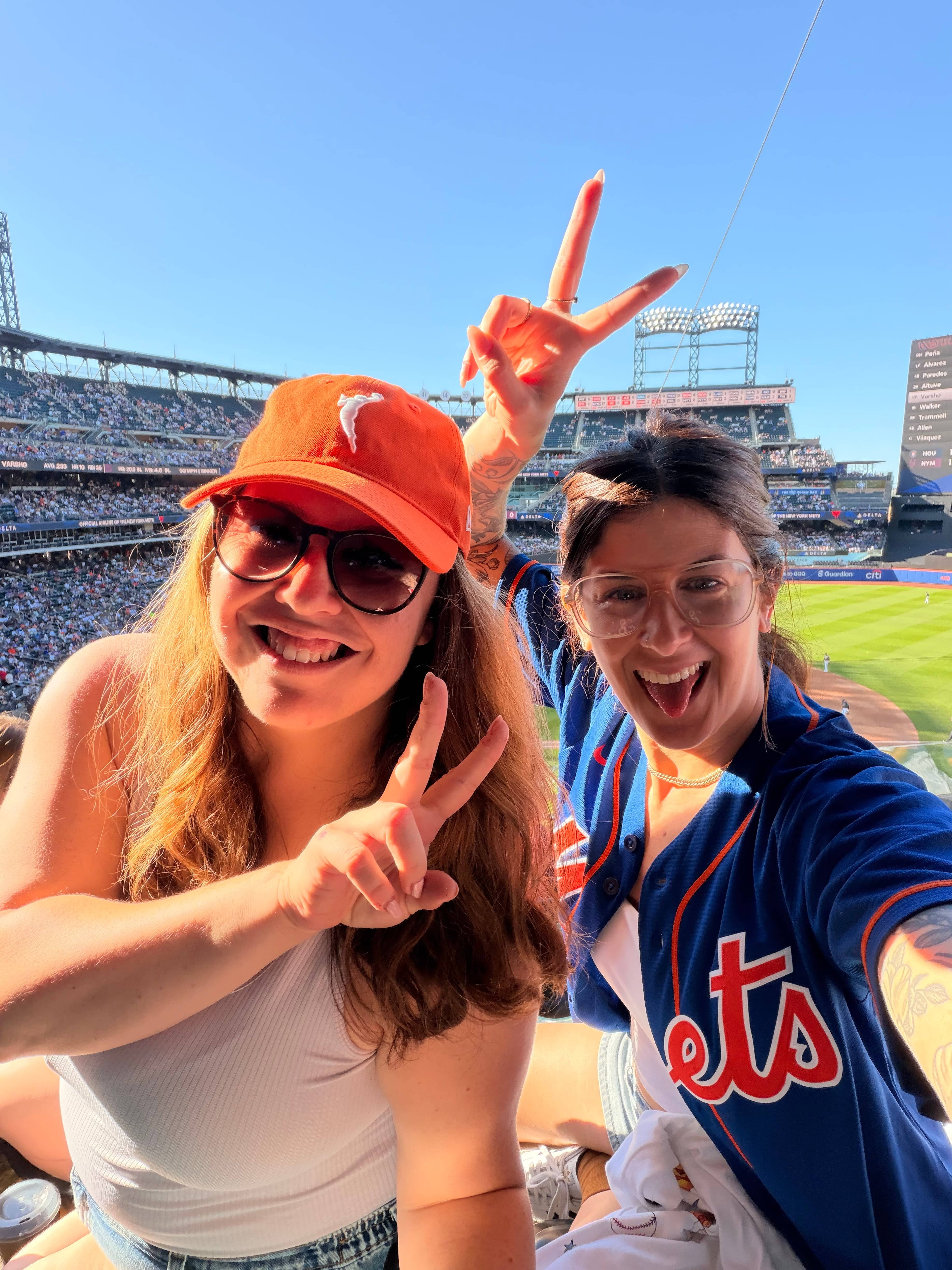
The core of this scheduling alignment involved the Yankees hosting a day-night doubleheader against the Boston Red Sox. This series took place at Yankee Stadium in the Bronx. Simultaneously, the Mets were scheduled to play a game against the Houston Astros in Queens.
The structure of the day allowed the Mets game to be sandwiched between the two Yankees games. This specific arrangement created a window that enabled fans to attend the interleague matchup in Queens while still having time to return for the second half of the Yankees' doubleheader.
Logistics and Preparation for Rapid Transit
Executing this triple-header required significant preparation from attendees. The New York Post reported that fans packed changes of clothes to accommodate the rapid transit between venues. The physical demands of moving between the Bronx and Queens, followed by additional time at the stadium, necessitated practical adjustments to their attire.
The report noted that big Apple baseball superfans made a "mad dash" between boroughs on Saturday. The nine-hour period encompassed the full duration of the three contests, including travel time between Yankee Stadium in the Bronx and Citi Field in Queens.
The Yankees' day-night doubleheader against the Red Sox provided the outer boundaries for this schedule. The first game served as the starting point, followed by the Mets versus Astros contest, with the final Yankees game closing out the marathon day.
Specific Matchup Details
The Yankees faced the Boston Red Sox in a doubleheader format. This means two games were played consecutively on the same day at Yankee Stadium. The first of these games began the sequence for fans attempting to complete the triple-header.
In Queens, the New York Mets played against the Houston Astros. This game was scheduled to occur during the break between the Yankees' first and second games. The alignment allowed for travel time that made the transition feasible within the nine-hour timeframe.
The combination of these specific matchups and times created a unique scenario for local fans. According to the New York Post, this situation was described as a "unique Yankees-Mets scheduling quirk." The report highlighted that this alignment did not occur frequently, making the opportunity notable for attendees.
Attendance and Fan Response
The event drew attention from local sports media. David DeTurris of the New York Post covered the attendance and the logistical challenges faced by fans. The article was published on August 30, 2026, at 8:18 p.m. ET.
The report described the attendees as "Big Apple baseball superfans." These individuals utilized the scheduling overlap to maximize their game-watching experience in a single day. The feat required coordination between the start times of the Yankees' doubleheader and the Mets' contest.
No official statements from Major League Baseball regarding the scheduling decision were included in the report. The focus remained on the fan experience and the specific timing that allowed for the triple-header attendance.
The nine-hour duration covered the entire sequence of events. This period included the time spent at Yankee Stadium for the first Yankees game, travel to Queens for the Mets game, travel back to the Bronx for the second Yankees game, and the duration of that final contest.
The New York Post article emphasized the packing of changes of clothes as a key element of preparation. This detail underscored the physical nature of the task, as fans had to manage their attire across multiple venues and time zones within the city.