

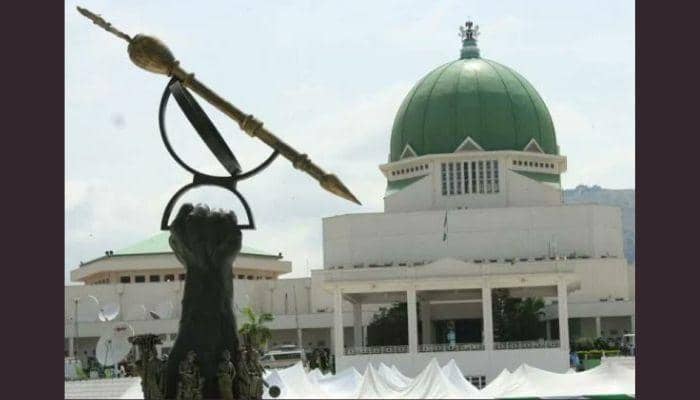

Nigeria's National Assembly Extends Annual Recess
The National Assembly of Nigeria, comprising both the Senate and the House of Representatives, has officially announced a two-week extension to its annual recess. This decision means that lawmakers, who were originally expected to resume their legislative duties on September 15, will now return to Abuja on September 29. The adjustment applies to all elected members across both chambers.
Leadership Approves Two-Week Delay
The directive for this postponement came from the highest echelons of the Nigerian legislature. The decision was formally approved by Senate President Godswill Akpabio and Speaker Tajudeen Abbas, who lead the upper and lower chambers respectively. Their joint approval underscores the unified nature of the extension across the bicameral National Assembly.
The official communication regarding the extended break was disseminated through a statement issued by Kamoru Ogunlana, the Clerk to the National Assembly. This statement served as the primary channel for informing the public and the lawmakers themselves about the revised schedule. The announcement was made on September 14, just one day before the initially scheduled resumption date, providing members with short notice of their extended time away from parliamentary proceedings.
Rehabilitation Work Cited as Sole Reason
According to the statement from Clerk Ogunlana, the primary and sole reason for the two-week extension is the need to facilitate the completion of ongoing rehabilitation work within the legislative chambers. Ogunlana's statement explicitly linked the schedule change to these infrastructure needs, rather than any legislative or political considerations.
"This postponement, as directed by the President of the Senate and the Speaker of the House of Representatives, is to allow for the completion of the ongoing rehabilitation work in the two chambers," Ogunlana stated. This justification positions the delay as an administrative necessity to ensure the functionality and readiness of the parliamentary facilities for legislative sessions. However, the statement did not elaborate on the specific nature or scope of the rehabilitation work being undertaken, nor did it provide a detailed timeline for its full completion beyond the new resumption date of September 29. The lack of granular detail about the repairs leaves the public without a clear understanding of the extent of the infrastructural improvements or the potential for further delays if the work is not finished as planned.
Legislative Calendar Shift and Public Scrutiny
The extension of the annual recess has inevitably drawn attention to the operational rhythm of the National Assembly and how it aligns with public expectations. While parliamentary recesses are a standard feature of legislative calendars worldwide, the timing and justification for this particular extension have prompted discussion among commentators and the media.
Contradiction in Lawmakers' Messaging
The publication BusinessDay highlighted a perceived contradiction between the National Assembly's actions and its frequent public pronouncements. Lawmakers often emphasize the urgency of national issues and the imperative for swift legislative action, asserting that there is "no time to waste." Yet, the current extension grants legislators an additional fortnight away from their official duties in Abuja, effectively allowing for a longer break than initially planned.
An article titled "N’Assembly and the business of taking a little more time off" specifically pointed out this apparent inconsistency. It suggested that while the parliament urges the public to remain vigilant and engaged with national matters, it has, in this instance, found additional time for itself. Commentators, however, also noted that adjustments to parliamentary schedules during breaks are not inherently unusual. What distinguishes this particular extension is the concrete administrative reason provided: the rehabilitation work. This specific justification offers a tangible explanation for the delay, setting it apart from previous extensions that might have been attributed to less defined causes.
Impact on Forthcoming Legislative Agenda
The two-week deferral means that a range of legislative activities originally slated for mid-September will now be pushed back. This includes the consideration of pending bills, crucial committee meetings, and potentially oversight functions that are integral to the National Assembly's role. Lawmakers will not occupy their seats to address these matters until the very end of September, potentially impacting the overall legislative timeline for the remainder of the year.
As of the announcement, no further details were provided by the National Assembly regarding how this delay might specifically affect particular legislative agendas. There was no mention of whether any emergency sessions would be convened during the extended break to address pressing national issues, nor has a revised calendar of events for the remainder of the year been released to account for this shift in timing. The rehabilitation work in the chambers remains the singular stated reason for the postponement, and as the new resumption date of September 29 approaches, it remains to be seen whether the work will be fully completed as intended, or if further adjustments to the parliamentary schedule might become necessary.