



A New Era of Political Normalization
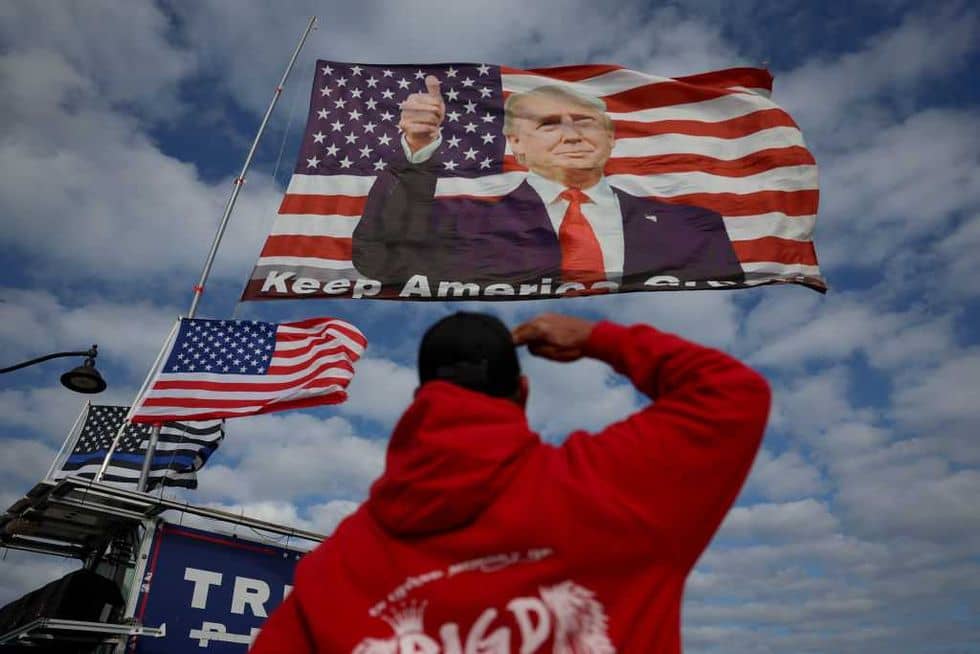
An opinion piece published on July 3, 2026, by Blaze Media author Cortney Weil, posits a significant shift in the American political landscape: Donald Trump's presidency is now widely considered a standard feature of American governance. This development comes despite what Weil describes as decades of persistent demands from various groups who vehemently refused to accept his status as the norm. According to the article, in the eyes of many, Trump has solidified his position as "the president of the United States and the most powerful man on earth," signaling a profound change in public perception.
Evolving Public Acceptance of a Prominent Figure
Weil's analysis suggests a growing fatigue among Americans with what she characterizes as endless outrage, particularly when directed at a leader who has been elected multiple times. This weariness, the article implies, has led to a notable softening of stances even among some of Trump's fiercest and most vocal critics. This evolution in public and political sentiment is not merely an observation but is presented by the source as a distinctly positive development for the nation, suggesting a move away from the intense political focus and outrage that characterized previous years. The piece links this normalization to a broader idea of American greatness, implying that the prior, intense focus on a single political figure had detracted from the nation's overall well-being and self-perception.
Shifting Tone in Media and Public Interaction
The article further elaborates on this cultural shift by citing specific instances where interactions between prominent political figures and media personalities appear markedly less confrontational than in preceding years. This change, according to Weil, extends beyond individual interactions, suggesting a broader transformation in media and pop culture's focus away from constant political conflict. Notably, the piece mentions a decline in the confrontational nature of press briefings, indicating a more widespread trend towards de-escalation in public discourse.
Unlikely Bipartisan Connections
A prime example of this evolving atmosphere is highlighted through an interaction involving Joy Behar on "The View." Weil points out that Behar, known for her sharp commentary, characterized Vice President JD Vance as both intelligent and funny, notably delivering these remarks "without her trademark snark." This unexpected positive assessment was reciprocated by Vance, who complimented Behar's tough persona during their exchange. He further lightened the mood by good-naturedly joking about the two becoming best friends. Weil presents this specific interaction as a powerful illustration of a broader cultural pivot, signaling a reduced emphasis on relentless political sparring and a waning of the intense media attention that was previously directed at Donald Trump.
Societal Impact and Ideological Shifts
Public Credit for Urban Revitalization
Beyond the realm of media and political discourse, Weil's article includes claims regarding a palpable shift in public sentiment within specific geographic locations. The author states that residents in traditionally "deep-blue cities" such as Memphis and Washington D.C. have reportedly expressed gratitude towards Donald Trump for tangible improvements in their areas. These residents are said to have credited Trump with effectively cleaning up crime and restoring beautification to urban environments, suggesting a recognition of his impact even in areas not typically aligned with his political base.
A Broader Vision for American Heritage
This normalization process, according to the piece, is intrinsically linked to a broader theme of American heritage and national identity. As the country approaches its 250th birthday, Weil observes that the diminished cultural focus on constant political conflict, and on Trump in particular, is considered a welcome development. The author implies that the previous pervasive obsession with political figures and partisan strife was ultimately unhealthy for the nation and detrimental to relationships between its citizens. The current shift, therefore, is framed as a return to a more balanced national perspective, allowing for a renewed focus on collective American values rather than perpetual political division.
Addressing Past Political Opposition
The article explicitly addresses the role of opposing viewpoints in this evolving political landscape. Weil directly challenges past narratives by stating, "Sorry, leftists," when discussing why Americans are no longer singularly focused on efforts to oust Donald Trump. This pointed remark underscores the author's assertion that the past "screeching demands" against normalizing Trump originated from a specific political faction. The piece concludes that this particular ideological group has now seemingly lost its grip or influence, further solidifying the perception that Trump's status as a normalized figure in American politics is a settled reality.