


A Legacy of Conflict and Reconciliation
In the spring of 2001, slogans in support of the National Liberation Army (NLA), also known as UCK, were heard for the first time in what was then referred to as the Former Yugoslav Republic of Macedonia. This period marked the onset of an armed conflict primarily involving ethnic Albanian insurgents and the state security forces, challenging the country's fragile post-Yugoslav independence. The conflict, which lasted several months, brought the nation to the brink of civil war.
The international community intervened to mediate a resolution, culminating in the signing of the Ohrid Framework Agreement in August 2001. This agreement aimed to formally end the hostilities and establish a framework for improving inter-ethnic relations, particularly between the ethnic Macedonian majority and the ethnic Albanian minority. Key provisions included constitutional amendments granting greater rights to minorities, decentralization of power, increased use of the Albanian language in official contexts, and enhanced representation of ethnic Albanians in public institutions.
The Ohrid Agreement is widely regarded as a foundational document for the modern state, now officially known as North Macedonia. It provided a roadmap for a multi-ethnic society and has been instrumental in maintaining peace and stability over the past two decades. However, its implementation has been an ongoing process, often encountering political and societal challenges.
Persistent Ethnic and National Divides
Despite the formal resolution of the 2001 conflict, the underlying ethnic and national divides have continued to shape North Macedonia's political and social landscape. While overt conflict has been avoided, the legacy of the past often resurfaces in political discourse, electoral campaigns, and public debates. Ethnic identity frequently plays a significant role in political alignment, with parties largely appealing to specific ethnic constituencies.
Challenges in achieving full integration and trust between communities persist. Issues such as equitable representation, language rights, and historical narratives remain sensitive points. The interpretation and application of the Ohrid Agreement's principles have, at times, led to different perspectives among political actors and segments of the population, reflecting the enduring nature of these historical divisions.
New Tensions: Identity, Integration, and Geopolitics
In recent years, North Macedonia has faced a series of new tensions that, while distinct from the 2001 conflict, often intersect with and reactivate existing societal fault lines. One prominent example is the Prespa Agreement, signed with Greece in 2018. This historic accord resolved a decades-long dispute over the country's name, leading to its renaming as North Macedonia. The agreement paved the way for the country's accession to NATO in 2020 and advanced its path towards European Union membership.
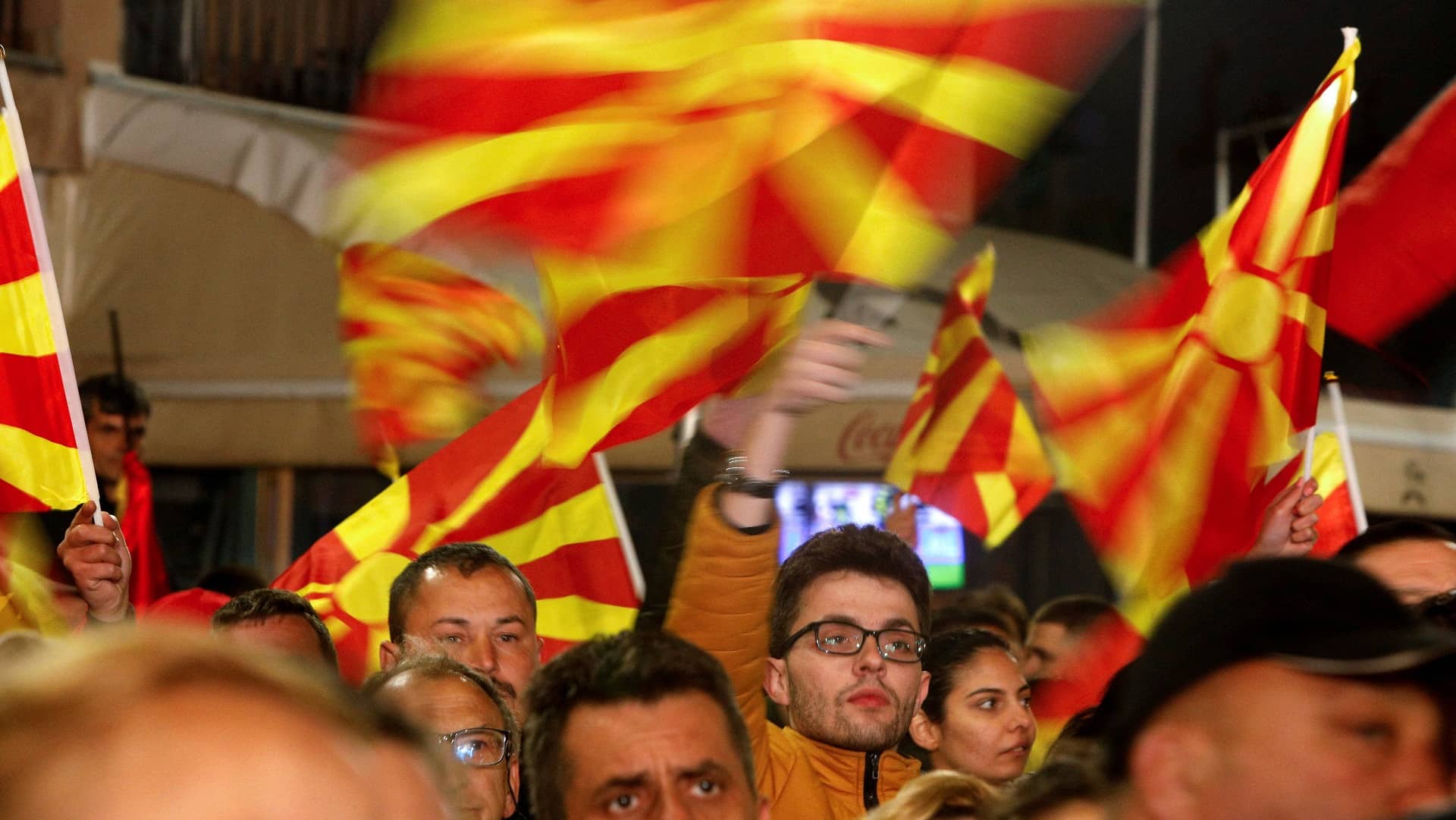
However, the Prespa Agreement generated significant internal political polarization and public debate. For many ethnic Macedonians, the name change was perceived as a compromise of national identity and historical heritage, leading to protests and strong opposition from nationalist factions. While not directly an ethnic Albanian-Macedonian issue, the debate over national identity touched upon deep-seated sentiments that can influence broader inter-ethnic relations and political stability within the multi-ethnic state.
More recently, North Macedonia's aspiration for full EU membership has introduced another layer of complexity and tension. The country's EU accession process has been complicated by demands from neighboring Bulgaria, which has raised concerns related to historical interpretations, language, and the rights of the Bulgarian minority in North Macedonia. These demands have led to calls for constitutional amendments in North Macedonia to formally recognize Bulgarians as a constituent part of the nation, alongside other recognized communities.
The prospect of amending the constitution has reignited intense political debate and public discussion. Proponents argue it is a necessary step to unblock EU accession negotiations, while opponents view it as a further compromise of national identity and sovereignty, potentially destabilizing the delicate inter-ethnic balance established by the Ohrid Agreement. The ongoing discussions highlight how external geopolitical pressures and internal identity politics continue to interact, creating new challenges for governance and societal cohesion in North Macedonia.