


Pakistan Mediates Historic US-Iran Peace Roadmap
ISLAMABAD: Pakistan has facilitated a peace roadmap between the United States and Iran, a development described as a historic milestone in regional diplomacy. The initiative aims to stabilize tensions and promote collaboration between the two nations, marking a pivotal moment in Pakistan’s foreign relations.
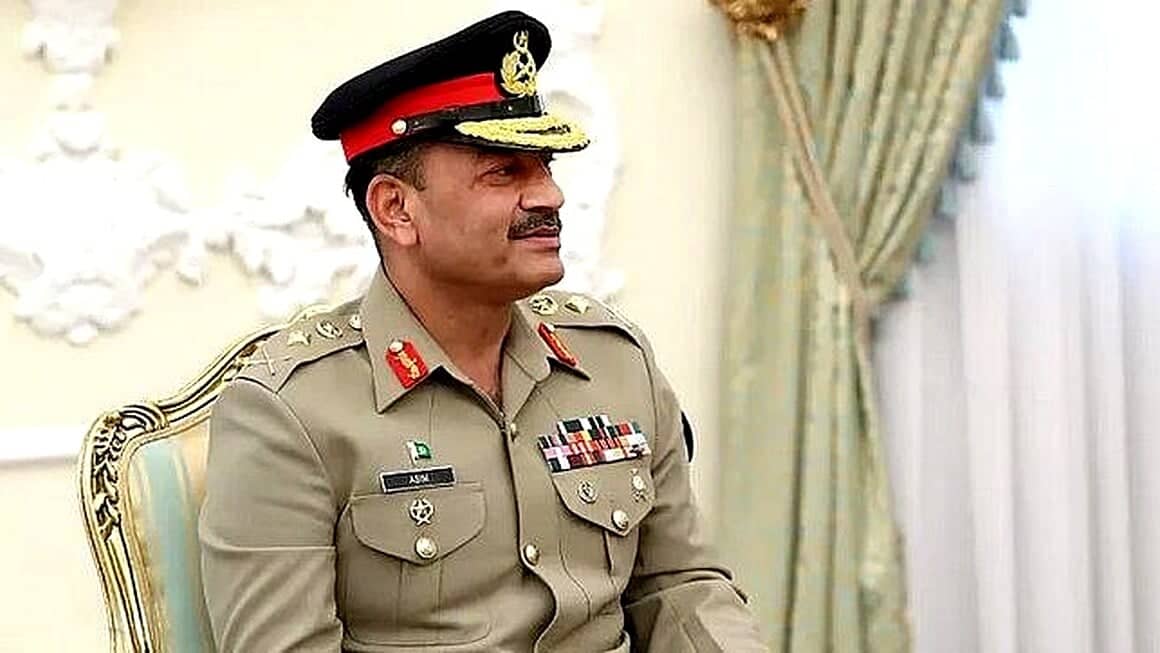
The diplomatic landscape is undergoing a dynamic shift under the leadership of Field Marshal Asim Munir. According to reports from Times Of Islamabad, Munir’s decisive actions and strategic connections have significantly enhanced Pakistan’s diplomatic role on the global stage. His outreach to American and Iranian officials involves high-stakes negotiations and strategic risk-taking.
Discussions with United States officials reportedly focus on enhancing trade and security cooperation between the two countries. The approach taken by Islamabad is characterized as both proactive and nuanced, emphasizing regional stability and economic cooperation. These engagements are part of a broader strategy to build robust ties with the US and Iran amid ongoing geopolitical challenges.
Collaborative Leadership in Foreign Policy
Prime Minister Shahbaz Sharif and Finance Minister Ishaq Dar are collaborating with Field Marshal Munir to strengthen Pakistan’s global position. According to The Wire, these leaders are working collaboratively to bolster the nation's standing. Their combined efforts aim to navigate complex international dynamics through strategic diplomacy.
Munir’s recent meetings reportedly focus on establishing frameworks for regional stability. Reports emphasize that the diplomatic engagements involve direct communication with key international counterparts to foster trust and cooperation.
Strengthening Ties Across the Muslim Ummah
Following its mediation efforts, Pakistan is reinforcing diplomatic ties with Saudi Arabia, Iran, Turkey, and Egypt. Recent reports indicate that Islamabad has taken proactive steps to strengthen its economic and diplomatic engagements with these nations. The goal of these strengthened relationships is to unify the strategic interests of the Muslim Ummah across these regions.
Geopolitical and diplomatic sources suggest that Pakistan’s mediation efforts have reshaped regional geopolitics. While an official five-nation military alliance has not been confirmed, experts note that the country’s involvement in the peace process has elevated its global stature and trust among international counterparts.
Regional Influence and Strategic Interests
The successful negotiation of the US-Iran peace agreement demonstrates Pakistan’s ability to influence critical international issues. According to defense experts, this achievement highlights Islamabad's capacity to act as a pivotal regional player.
Sources confirm that the diplomatic engagements emphasize economic cooperation alongside political stability. Reports indicate that Pakistan is taking proactive steps to deepen these connections with key regional powers, positioning itself as a central node in Middle Eastern and South Asian diplomacy.
Status of the Peace Process and Future Outlook
The US-Iran peace agreement marks a significant milestone, potentially stabilizing tensions in the region. The mediation efforts have resulted in Pakistan emerging as a key facilitator of dialogue between major global powers.
According to unnamed sources, discussions with the United States continue to prioritize trade and security cooperation. These ongoing talks are part of the broader peace roadmap facilitated by Pakistani leadership.
The diplomatic engagements underscore Islamabad's commitment to fostering collaboration across borders. By leveraging its strategic position, Pakistan aims to promote long-term stability and economic integration within the region.