

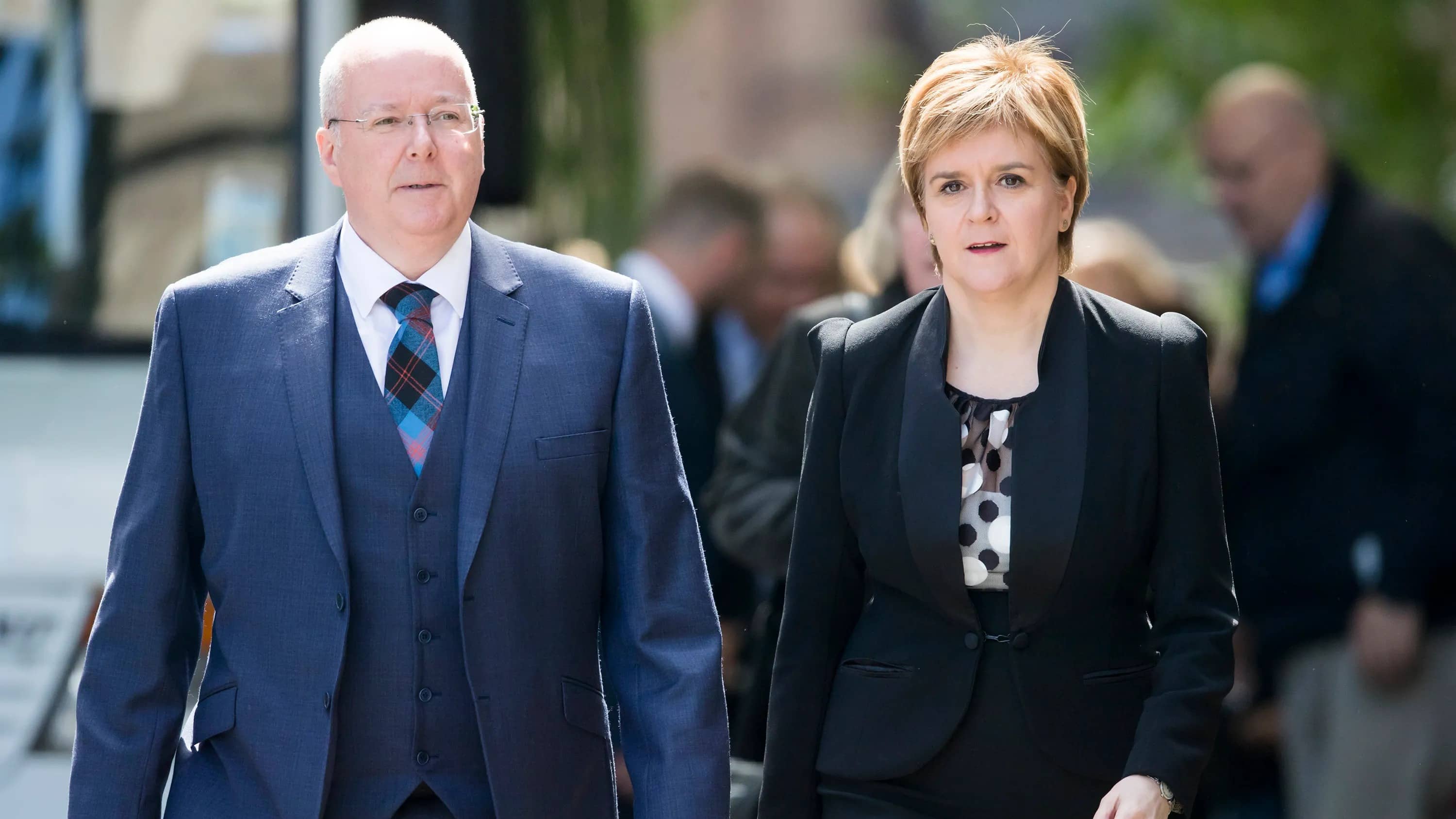

Background and Context
Peter Murrell served as the chief executive officer for the Scottish National Party (SNP) before his legal troubles came to light. His role placed him in charge of significant financial operations within one of Scotland's most prominent political organizations. The integrity of party funds is paramount, ensuring that resources are allocated toward campaign activities, administrative costs, and strategic initiatives rather than personal enrichment. Murrell held a position that required strict adherence to fiduciary duties and transparency standards expected of senior leadership in the public sector.
The relationship between Peter Murrell and Nicola Sturgeon was central to his political profile prior to his sentencing. At the time he served as First Minister, Ms. Sturgeon was married to Mr. Murrell. Following their divorce, which occurred while she held office, media narratives sometimes referred to him with descriptors reflecting that specific historical connection. The financial misconduct involved a breach of trust between an employee and the organization they were sworn to protect.
Details of the Fraudulent Activities
Peter Murrell admitted in court to embezzling more than £400,000 from SNP accounts. This sum represented funds intended for legitimate business purposes but was instead diverted by Mr. Murrell for personal use. The investigation revealed that the stolen money facilitated a series of purchases that bore little resemblance to standard corporate expenditures or necessary operational costs.
The nature of the items purchased highlighted the extent to which party resources were misappropriated. Among the specific goods identified in court records and police reports was toilet seating, with individual units costing approximately £67 each. Additionally, personal hygiene products such as shower gel were acquired using stolen cash, with a single bottle valued at around £362.
These seemingly trivial items formed part of a much larger pattern of spending that included high-value vehicles. The most significant acquisition was an Niesmann and Bischoff motorhome, often described in reports as a campervan or luxury recreational vehicle. This specific unit was valued at roughly £124,000, representing one of the largest single expenditures from the embezzled funds.
Legal Proceedings and Sentencing
The case concluded with Mr. Murrell appearing before Edinburgh's High Court. During the proceedings, he pleaded guilty to charges related to fraud and theft involving party finances. The court accepted his admission of guilt as a mitigating factor in determining the appropriate sentence while still imposing substantial penalties for the breach of trust.
Following the verdicts on all counts, Mr. Murrell was sentenced to five years in prison. This term reflects the severity with which courts treat financial crimes committed against political organizations and public bodies. The sentencing process considered the total amount lost by the SNP as well as the specific nature of the fraudulent transactions.
Impact on the Organization
The revelation that such a wide array of goods, from small household necessities to expensive motorhomes, were purchased with stolen funds caused significant disruption for the Scottish National Party. The organization was forced to conduct an internal audit and review its financial controls following the conviction.
Funds equivalent to over £400,000 had to be recovered or accounted for through legal channels. This loss impacted the party's ability to fund future campaigns and operations during the period when these funds were unavailable. The incident underscored vulnerabilities in how large political parties manage their internal finance departments.
Media Coverage and Public Reaction
The details of Mr. Murrell's spending habits attracted considerable attention from journalists across Scotland and beyond. Reports frequently highlighted the contrast between his previous role as a high-ranking official and the domestic nature of some items he purchased with illicit money.
Certain media outlets utilized phrases such as "shamed fraudster husband" to describe Mr. Murrell during sentencing, referencing his former marriage to Nicola Sturgeon. While these descriptions reflect specific editorial choices made by news organizations at the time, they contributed to a broader public discourse regarding accountability within political structures.
Key Takeaways from Research
Analyzing the specifics of this case provides insight into how financial fraud can manifest in corporate environments. The purchase of toilet seats and shower gel alongside luxury vehicles demonstrates that embezzlement does not always involve large, obvious transactions like real estate or stock trading.
Instead, it often involves a collection of smaller, routine purchases that accumulate to significant sums over time. For the SNP, this meant that thousands of pounds were spent on items unrelated to party business, including personal care products and bathroom fixtures.
The inclusion of an Niesmann and Bischoff motorhome in the list of stolen goods indicates access to high-end markets typically reserved for wealthy individuals or corporate fleets. This specific vehicle type is known for its luxury features and higher price point compared to standard recreational vehicles, further illustrating the extent of Mr. Murrell's personal spending.