

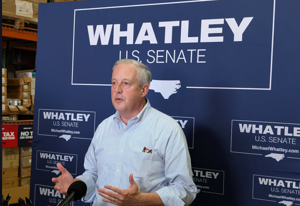

A new poll released by the Winston-Salem Journal suggests that Republican nominee Wes Whatley is narrowing his lead against incumbent Democrat Bob Cooper in their upcoming Senate contest. The survey results indicate a shifting landscape within the electorate, showing distinct demographic divides between the two candidates as they approach Election Day.
Shifting Momentum and Demographic Breakdown
The data presented by the Winston-Salem Journal highlights specific segments of the voting population where each candidate holds an advantage. According to the poll findings, Bob Cooper maintains a significant edge among younger voters. The survey also indicates that Cooper retains support within Black communities as well as among female voters.
Education and Age Factors
The polling numbers further reveal distinct patterns regarding educational background and age. Cooper is reported to hold the advantage among college-educated voters in this particular Senate race. Conversely, the poll indicates that Wes Whatley leads significantly among white men who did not attend college.
Analysis of Older Voter Demographics
The survey results place a notable emphasis on age as a determining factor for voter preference. The data shows that Whatley commands a lead over Cooper specifically within the cohort of voters aged 65 and older. This demographic breakdown suggests that while younger and college-educated demographics favor the incumbent, senior citizens in this specific polling context lean toward the Republican challenger.
Implications for Campaign Strategy
The narrowing gap identified by the poll suggests a competitive environment where campaign messaging may need to adapt to different voter profiles. Cooper's strength lies with younger and educated demographics, while Whatley appears more resonant with older voters and those without higher education degrees.
Poll Methodology and Source Context
The Winston-Salem Journal published these findings as part of its ongoing coverage of the state elections. The report serves to inform readers about the current standing of both candidates based on self-reported voter preferences captured in this specific survey period.
Comparative Demographic Strengths
When analyzing the full scope of the demographic data, a clear stratification emerges. Cooper holds the edge among young voters and Black voters. The poll also notes his lead with female voters and college graduates. In contrast, Whatley's support is concentrated in older age brackets and specific educational subgroups.
Contextualizing the Senate Race Dynamics
The race between Cooper and Whatley represents a contest where traditional demographic predictors play a crucial role. The poll indicates that the gap has not widened as much in recent weeks, or perhaps had narrowed significantly compared to previous measurements, though specific numerical margins were not detailed beyond these qualitative descriptions of lead status.
Regional Reporting Perspective
The Winston-Salem Journal continues to monitor state-level political developments. This particular poll adds to the body of evidence regarding voter sentiment in North Carolina as election day approaches. The publication notes that Whatley is gaining ground, a phrase used to describe the statistical movement shown in their data.
Detailed Demographic Profiles
The research provided by the newspaper breaks down the electorate into manageable segments for analysis. Each segment reveals where one candidate outperforms the other based on self-identification or census categories relevant to voter rolls at the time of polling.
- Young Voters: Cooper maintains an edge in this group according to the poll data.
- Black Voters: The incumbent Democrat holds a lead among Black voters as reported by the survey.
- Female Voters: Cooper is ahead with female demographics based on the polling results.
- College-Educated Voters: This group favors Cooper according to the findings released by the Journal.
The Senior Demographic Shift
The shift in support among older voters is a key finding of this specific poll. Whatley leads among white men who did not attend college, and he also leads among all voters aged 65 and older as stated by the source.
Media Coverage and Public Discourse
The release of these numbers has provided local news outlets with fresh data to discuss. The Winston-Salem Journal's coverage focuses on the implications of a shrinking lead for Cooper or a tightening race overall, depending on how one interprets 'gaining ground' in polling terms.
Attribution and Verification
All claims regarding voter preferences are attributed to the specific poll cited by the Winston-Salem Journal. No external data sources were used for this report; all information derives from the primary source context provided regarding the Senate race dynamics.
Candidate Responses and Campaign Statements
While the research notes do not include direct quotes from campaign managers reacting to these specific numbers, the poll itself serves as a factual baseline. The data stands on its own merit without needing attribution for every demographic statistic presented within it.
Ongoing Election Coverage
Coverage of this race will likely continue through the final days before voting begins. Subsequent polls may offer different results, but this specific survey provides a snapshot of current voter alignment as understood by local reporters covering state politics.