


Legislative Approval Amidst Chamber Disruption
New Delhi, Aug 4 — In a session marked by significant parliamentary contention, the Rajya Sabha successfully passed the pivotal Registration of Births and Deaths (Amendment) Bill, 2026, on Tuesday, August 4. The passage was achieved through a voice vote, a procedural mechanism utilized amidst continuous uproar and persistent sloganeering from Opposition members throughout the proceedings.
This legislative milestone concluded a crucial cycle for the Bill, which had previously secured approval in the lower house. The Lok Sabha had cleared the same bill on July 31, setting the stage for its consideration and eventual passage in the Rajya Sabha. Following the Rajya Sabha's approval, Deputy Chairman Harvansh Naryan Singh moved to adjourn the House, concluding the day's legislative business until Wednesday.
Parliamentary Maneuvers and Opposition's Stance
Session Resumption and Ministerial Introduction
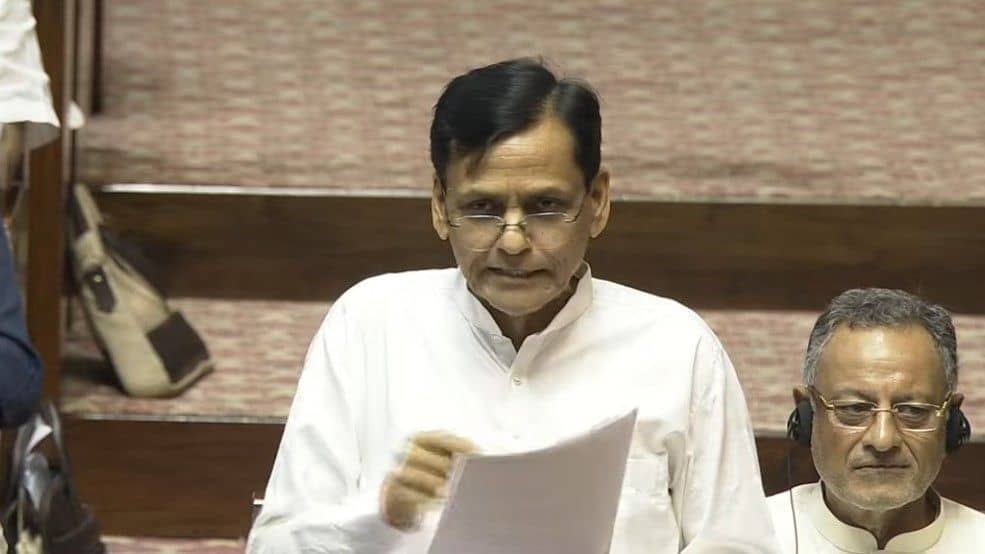
The parliamentary session resumed at 2 p.m., immediately plunging into the contentious debate surrounding the amendment bill. Deputy Chairman Harvansh Naryan Singh initiated the proceedings by calling upon Minister of State for Home Affairs, Nityanand Rai, to formally move the motion for the consideration of the Bill. Rai's role involved presenting the legislative text to the Upper House, thereby formally initiating the process for its debate and eventual approval by the members.
Opposition Leaders' Demands for Order
Following the introduction of the motion, the Deputy Chairman granted permission to the Leader of Opposition, Mallikarjun Kharge, to address the chamber. Kharge utilized this opportunity to articulate the Opposition's stance, stating unequivocally that the only viable method to restore order and decorum within the House was for both the Prime Minister and the Home Minister to appear and make a formal statement to the members. This demand underscored the Opposition's desire for direct engagement from the government's highest echelons on the issues at hand.
However, the Chair did not permit Kharge to continue his speech beyond this critical demand. Instead, the Deputy Chairman promptly called upon Fulo Devi Netam, a Congress member from Chhattisgarh, to speak on the Bill. Netam echoed the sentiment of her party and the broader Opposition, insisting that the Home Minister's physical presence in the chamber was imperative to adequately address the array of concerns that had been raised by the Opposition members regarding the Bill. Despite these explicit demands for ministerial presence and the ongoing disruptions characterized by uproar and sloganeering, the legislative process for the Registration of Births and Deaths (Amendment) Bill, 2026, proceeded to a vote.
The Bill's Final Passage and House Adjournment
Ministerial Role in Presenting Legislation
Minister of State for Home Affairs, Nityanand Rai, played a central role in the Bill's passage through the Rajya Sabha. As the designated minister, he was responsible for officially moving the motion for the consideration of the amendment bill. This procedural step is fundamental in the legislative process, as it formally places the Bill before the House for debate, scrutiny, and eventual decision. Rai's presentation of the Bill was a key moment in its journey through the Upper House, despite the turbulent atmosphere.
Dissent and Legislative Conclusion
Throughout the session, Opposition members consistently utilized the parliamentary platform to express their dissent, primarily through continuous sloganeering. This method of protest highlighted their strong objections to the Bill or the manner in which it was being pushed through the legislative process. Despite the persistent vocal opposition and the demands for higher ministerial intervention, the Bill was ultimately passed by a voice vote, signifying the conclusion of its legislative journey through both houses of Parliament.
The Deputy Chairman's decision to adjourn the House immediately after the vote brought an end to the immediate parliamentary engagement with this significant piece of legislation. The adjournment until Wednesday allowed for a temporary cessation of the contentious proceedings, following a session that saw a critical amendment bill become law amidst considerable political friction.