

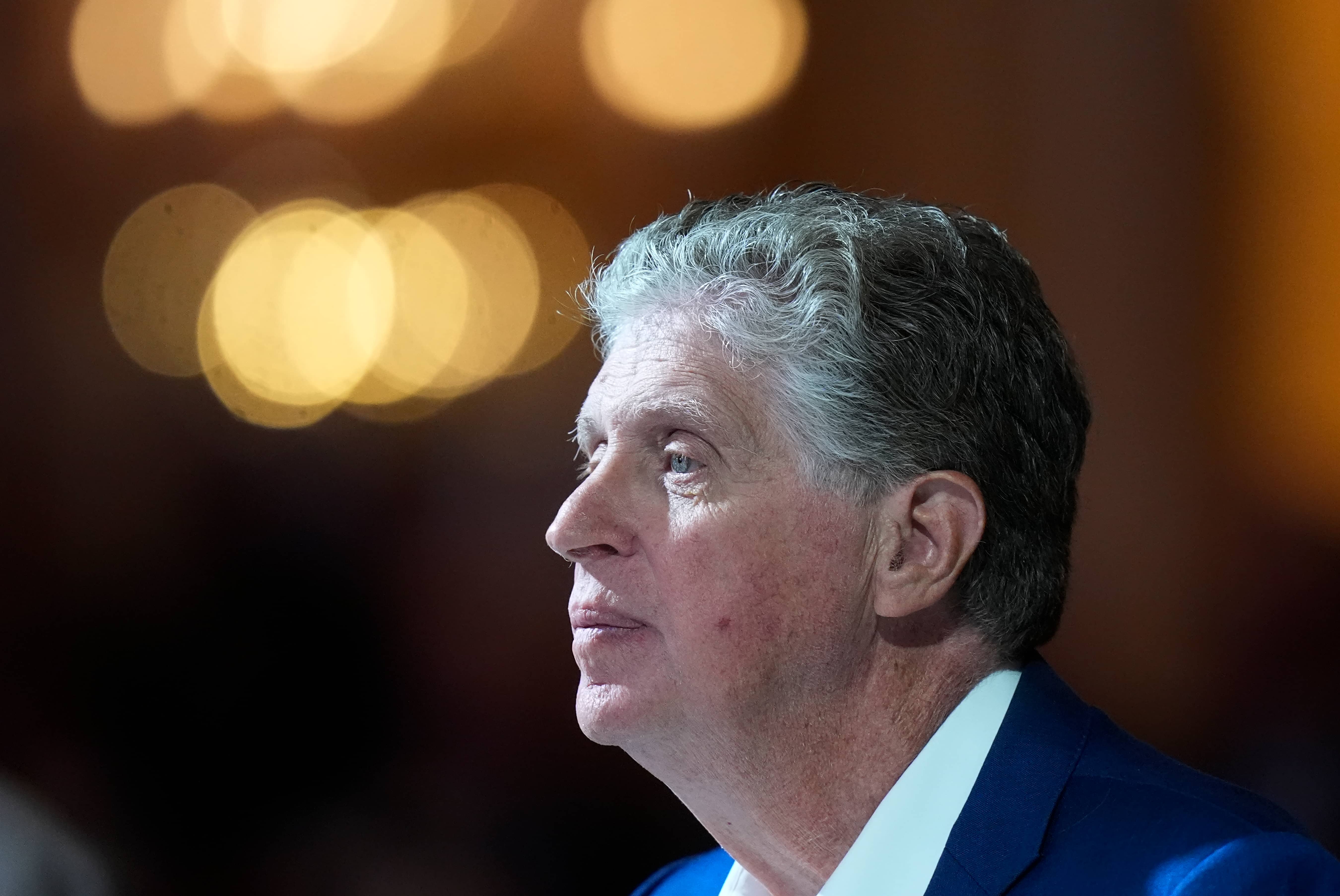

Historic Primary Upset in Rhode Island
Rhode Island Governor Dan McKee has lost the Democratic primary election, marking the first time in eight years that a sitting governor in the state has suffered such a defeat. The outcome signals a significant shift in the political landscape of Rhode Island, ending McKee’s tenure as the incumbent and setting a new course for the state’s dominant political party. This rare occurrence underscores a potent wave of voter dissatisfaction that culminated in the primary results.
Helena Foulkes, a former executive at CVS Health, secured the victory over Governor McKee. Her win represents a notable departure from the traditional political establishment, bringing a distinct background rooted in corporate leadership and management to the state’s highest office. Foulkes’ success highlights a voter appetite for fresh perspectives and a challenge to the existing political order, as her campaign effectively capitalized on public sentiment for change.
Bridge Crisis Undermines Incumbent's Support
The defeat of Governor McKee is directly linked to his administration’s handling of a growing political crisis involving a critical bridge in Rhode Island. According to extensive reporting, McKee failed to effectively manage or 'corral' the situation, allowing it to escalate into a major point of contention and a central focus for criticism throughout the primary campaign. This infrastructure issue became a potent symbol of perceived governmental shortcomings and a rallying cry for opposition.
Voters expressed profound frustration with the administration’s response to the bridge crisis, which had been developing over time before culminating in the primary election. The prolonged nature of the problem, coupled with what many perceived as an inadequate or delayed governmental reaction, fueled public discontent. The failure to resolve or effectively manage this high-profile situation significantly contributed to McKee’s inability to secure the necessary support from Democratic voters, ultimately leading to his primary loss.
A Defining Issue for Voters
The bridge issue emerged as a central theme in Helena Foulkes’ challenge, allowing her to highlight concerns about infrastructure management, governmental accountability, and executive competence. Foulkes consistently framed the crisis as evidence of the incumbent administration's inability to tackle complex state challenges effectively. This narrative resonated deeply with voters who were seeking tangible improvements in public services and a more responsive government.
The crisis underscored fundamental questions about how state resources are managed and how quickly and effectively leaders can address pressing public needs. For many voters, the bridge became a litmus test for the administration's overall performance, and McKee's perceived missteps on this issue proved to be a decisive factor in their primary ballot choices.
A Rare Defeat Reshapes Democratic Landscape
McKee’s loss marks him as the first governor in eight years to lose a primary, breaking a significant streak where sitting governors had consistently managed to secure their party’s nomination. This rare occurrence signals a notable shift in the dynamics of Rhode Island politics and within the Democratic Party itself. The defeat opens the door for new leadership and potentially new policy directions, challenging the established power structures that have long defined the state’s political scene.
Foulkes’ victory is widely interpreted as a rejection of the status quo, with voters actively seeking change after years of perceived stagnation on key issues, particularly infrastructure. Her background as a CVS executive provided her with a distinct perspective compared to traditional career politicians, a quality that appears to have resonated with a segment of the electorate looking for fresh approaches to governance and problem-solving.
Campaign Strategies and Party Divisions
During the intense primary campaign, Foulkes focused heavily on McKee’s record, with particular emphasis on his handling of the bridge crisis. She argued that the administration lacked the necessary competence and decisive leadership to address complex infrastructure challenges effectively. McKee’s team, in turn, attempted to defend his record, highlighting ongoing efforts and the inherent complexities of such large-scale projects. However, they struggled to effectively counter the pervasive narrative that the bridge issue was a symptom of broader administrative failures.
The primary campaign also highlighted existing divisions within the Democratic Party regarding how to handle high-profile crises and what constitutes effective leadership. Some supporters of McKee argued that the bridge situation was an inherited problem or beyond his immediate control, requiring long-term solutions. In contrast, others within the party agreed with Foulkes’ assessment that leadership had been lacking and that a more proactive approach was needed. This split in opinion among party members contributed significantly to the competitive and often contentious nature of the race.
Rhode Island's Political Path Forward
With Governor McKee’s defeat, Rhode Island will now face a significant transition in leadership within the Democratic Party. Helena Foulkes moves forward as the Democratic nominee, with her platform centered on principles of accountability, effective management of state resources, and a commitment to addressing critical infrastructure needs. The primary result has firmly set the stage for a general election that will likely continue to focus heavily on infrastructure policy and executive competence, themes that proved decisive in the primary contest.
Analysts note that the loss of an incumbent governor in a primary is an unusual event, particularly given the eight-year gap since the last such defeat. This suggests that McKee’s situation was not merely a typical electoral challenge but rather an anomaly driven by specific circumstances and strong voter sentiment. The outcome will likely be studied closely and could influence political strategies in neighboring states and potentially at the national level, serving as a cautionary tale for incumbents facing high-profile public crises.
The bridge crisis remains a defining element of the current political climate in Rhode Island. Its ultimate resolution or continued management will be closely watched as Foulkes prepares to potentially take office if she wins the general election. The primary result serves as a clear and unequivocal message from voters about their expectations for government performance on critical issues that directly impact their daily lives and the state’s future.