Full story
Isolation of Mining Operations in the Sahel
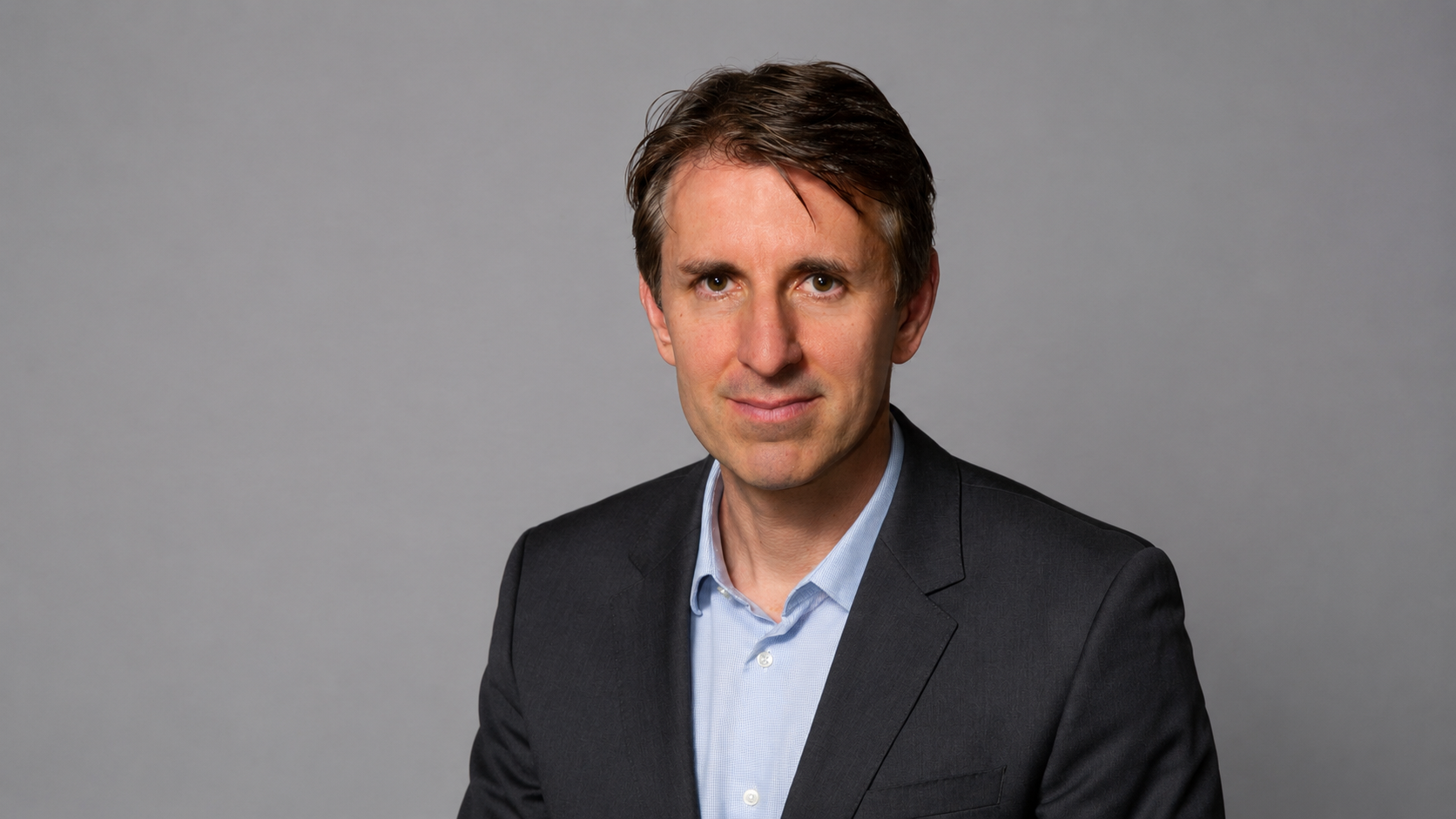
George McLeod, a global security risk analyst and mining partner at Critical Risk Team, stated that mining companies operating in the Sahel region are effectively "on their own" regarding security and geopolitical support. This assessment was provided during a discussion with Northern Miner podcast host Adrian Pocobelli in June 2026. The conversation focused on the geopolitical risks currently reshaping the mining landscape across West Africa and other global regions.
McLeod described a shifting risk map for miners, noting that companies can no longer rely on established external security frameworks or diplomatic buffers in the area. The analysis highlights that major operators, including Barrick, face specific security risks as regional dynamics change. The instability is not confined to the Sahel; McLeod noted that these trends extend to other resource-rich regions, including the Democratic Republic of Congo (DRC) and Myanmar.
The core assessment from Critical Risk Team indicates that the convergence of multiple geopolitical factors has left mining firms without traditional support systems. This isolation applies to a wide array of commodities, including copper, gold, critical minerals, cobalt, lithium, rare earths, uranium, and diamonds. The shift in operational reality suggests that companies must navigate these challenges independently as external influences wane or become unpredictable.
Reshaping Regional Dynamics
Several key risk factors are driving the changes in the Sahel region. McLeod identified Russian setbacks as a primary element altering regional dynamics. Changes in Russian influence or operational difficulties within the area are contributing to the evolving security environment for commercial enterprises.
Simultaneously, jihadist insurgencies are rising in Mali, Niger, and Burkina Faso. This increase in activity by jihadist groups is creating significant instability across these specific nations. The presence of these armed groups complicates the operational environment for mining firms, adding layers of complexity to existing security protocols.
Resource nationalism is also increasing, bringing additional political pressure on mining operations. Host nations are exerting greater control over resource ownership and management, further complicating the business environment for international companies. McLeod noted that this combination of factors—Russian setbacks, jihadist activity, and rising nationalism—is fundamentally changing the risk profile for the industry.
Commodity-Specific Implications
The geopolitical shifts affect a broad spectrum of commodities essential to global markets. The analysis covers risks related to copper, gold, critical minerals, cobalt, lithium, rare earths, uranium, and diamonds. Each of these sectors faces unique challenges as the security landscape deteriorates.
For instance, the instability in the DRC and Myanmar adds to the complexity of securing supply chains for critical minerals and cobalt. In the Sahel, the focus remains on gold and other precious metals amidst the jihadist insurgencies. The rising resource nationalism means that host governments are more actively involved in dicting terms for extraction and profit-sharing.
McLeod’s comments suggest that the risk map is not static. The changes observed in June 2026 indicate a trend that may continue to evolve. Companies operating in these regions must account for the possibility of further isolation as external powers adjust their strategies or withdraw from the area.
Broader Industry Impact
The discussion between McLeod and Pocobelli highlighted the broader implications of these geopolitical shifts. The instability is not limited to one country or one commodity. It represents a systemic change in how mining operations are supported and protected.
Major operators such as Barrick are specifically mentioned as facing heightened security risks. This indicates that large, established companies are not immune to the challenges posed by the changing environment. The need for independent security measures is likely to increase as traditional diplomatic or military support becomes less reliable.
The analysis also points to the interconnected nature of global mining risks. Instability in the Sahel influences perceptions and operations in other regions like the DRC and Myanmar. This suggests that a holistic approach to risk management is necessary, as challenges in one area can have ripple effects across the industry.
McLeod’s assessment underscores the urgency for mining companies to adapt to a new reality where they are largely on their own. The combination of Russian setbacks, jihadist insurgencies, and resource nationalism creates a complex environment that requires careful navigation. As the risk map continues to shift, companies must remain vigilant and prepared for further changes in the geopolitical landscape.
The insights provided by Critical Risk Team offer a snapshot of the current challenges facing the mining industry. The focus on specific regions and commodities provides a clear picture of the risks involved. As the situation evolves, ongoing monitoring and analysis will be essential for companies operating in these volatile areas.