

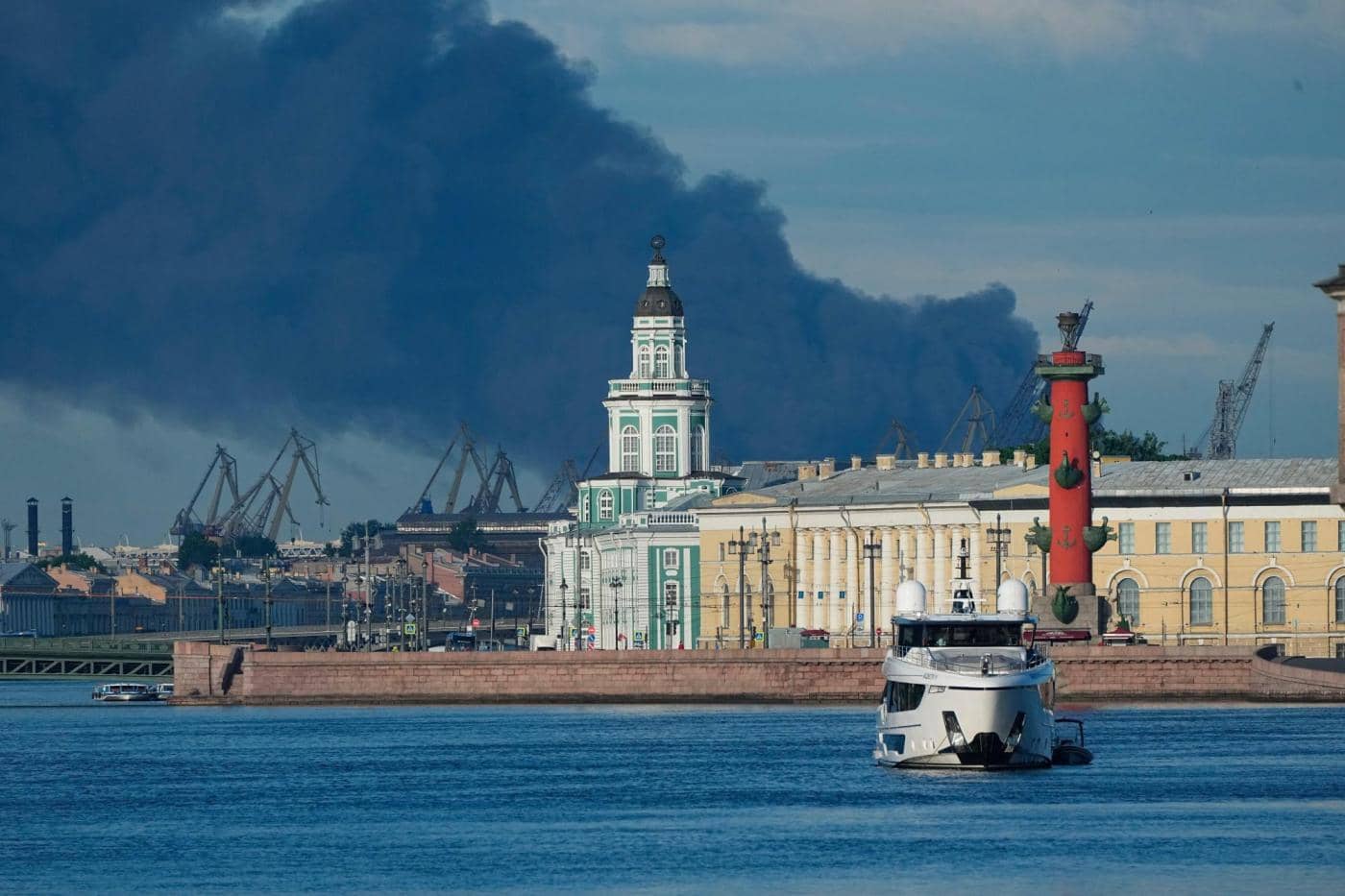

Nightly Drone Swarms Close Airports
Throughout the summer, Ukrainian drone operations resulted in profound logistical interruptions for Russian aviation infrastructure, impacting both domestic and international connections. According to reports from September 2026, the persistent threat of nightly drone swarms compelled authorities to implement closures, often without prior notice, at several Russian airports. These closures were not isolated incidents but part of a sustained and deliberate campaign that severely hampered both passenger travel and critical cargo operations throughout the summer season.
The relentless frequency of these attacks, described as nightly, placed immense and continuous pressure on air traffic control systems, airport security protocols, and emergency response services. The resulting disruptions meant that standard flight schedules could not be maintained, leading to widespread delays, cancellations, and re-routing in affected regions. While no specific count of closed airports or total hours of disruption was provided in the available reports, the characterization of the situation as "turmoil" suggests a broad and detrimental impact on regional connectivity, isolating some areas and complicating essential movements of people and goods.
Commercial Warehouses Set Ablaze
The fabric of online retail operations across Russia was directly targeted, facing severe physical consequences from the drone campaign. Reports unequivocally confirm that large-scale warehouses, vital hubs for online retailers, were struck by drones and subsequently engulfed in flames. These devastating fires led to the wholesale destruction of extensive storage facilities, crippling key nodes within the e-commerce distribution network.
The deliberate targeting of these commercial assets marked a notable and strategic shift in the scope of the drone strikes, extending beyond traditional military installations or critical energy infrastructure to directly impact the civilian economy. The burning of these warehouses represented a tangible and significant loss of commercial property, inventory, and operational capacity. While specific retailers affected or the monetary value of the losses were not detailed, the reports confirm that the physical stock, storage capacity, and overall logistical resilience of online businesses were severely compromised, likely leading to supply chain disruptions and delivery delays for consumers.
Energy Sector Targets Hit
Beyond the disruptions to aviation and commerce, Russia's vital energy infrastructure also became a prominent target, subjected to a series of attacks throughout the summer. Specifically, multiple oil refineries, crucial components of the nation's fuel supply chain, were struck by drones during this intense period. These strikes on refineries significantly contributed to the broader state of turmoil and economic pressure experienced by Russians during the summer months.
Damage to these oil refineries directly impacts the intricate process of refining crude oil into usable products such as gasoline, diesel, and jet fuel. While the precise locations of these refineries were not detailed in the source material, the confirmation of their targeting aligns with the overarching narrative of widespread infrastructure disruption orchestrated by the drone campaign. The simultaneous targeting of energy facilities, commercial warehouses, and aviation infrastructure underscored a sophisticated, multi-sector approach to the drone campaign, designed to exert maximum pressure across various facets of Russian society and economy.
Nationwide Disruptions Cause Summer Turmoil
The combined and cumulative effect of these relentless drone strikes across multiple sectors was consistently described as causing widespread turmoil for Russians throughout the summer season. This assessment, emanating from reputable news outlets reporting on the situation in early September 2026, painted a picture of a nation grappling with unprecedented domestic logistical and economic challenges. The term "turmoil" broadly encompassed the multifaceted disruptions to daily life, ranging from the immediate inconvenience of air travel cancellations to potential impacts on the availability of goods through online shopping and the stability of energy supply.
The Persistent Threat from Above
The summer months were characterized by a continuous and escalating pattern of drone activity, with nightly incursions becoming a recurring and unsettling feature across various regions. This persistent aerial threat forced a constant state of alert among Russian authorities and civilians alike. The comprehensive reporting on September 3, 2026, served as a crucial point of documentation, consolidating accounts of these ongoing and impactful activities that had unfolded throughout the preceding summer. While the precise start and end dates of the "summer" period were not explicitly detailed in the sources, the consistent reporting confirms that the campaign was active and impactful in the months leading up to September 2026.
Economic and Logistical Fallout
The enforced closure of airports, necessitated by the threat of drone swarms, resulted in significant alterations to flight operations. This included not only passenger flights but also critical air cargo routes, impacting supply chains and the timely movement of essential goods. Concurrently, the deliberate targeting and setting ablaze of commercial warehouses led to the catastrophic loss of vast quantities of inventory and critical storage space for online retailers. This directly translated into economic losses for businesses and potential shortages or delays for consumers relying on e-commerce. Furthermore, the strikes on oil refineries directly interrupted vital fuel processing capabilities, raising concerns about the stability of domestic fuel supplies and potentially impacting various sectors dependent on refined petroleum products. The strategic selection of these three distinct categories of targets—aviation, commerce, and energy—demonstrated a concerted effort by the Ukrainian drone campaign to inflict widespread economic and logistical damage across Russia.
Media Outlets Document Campaign's Impact
The foundational facts detailing the airport closures, the destructive warehouse fires, and the strikes on oil refineries are consistently attributed to reports published by respected media outlets, including the Greeley Tribune, Boston Herald, and Boulder Daily Camera, all dating to September 2026. These publications uniformly characterized the cumulative impact of these events as causing significant turmoil for Russians throughout the entirety of the summer months. The consistency in reporting across these different publications corroborates the occurrence and nature of the strikes on airports, refineries, and warehouses. It is important to note that the provided source material did not include any direct responses or official statements from either Russian authorities or Ukrainian officials regarding these specific incidents or the broader drone campaign.