


From Classroom Assignment to Athletic Field
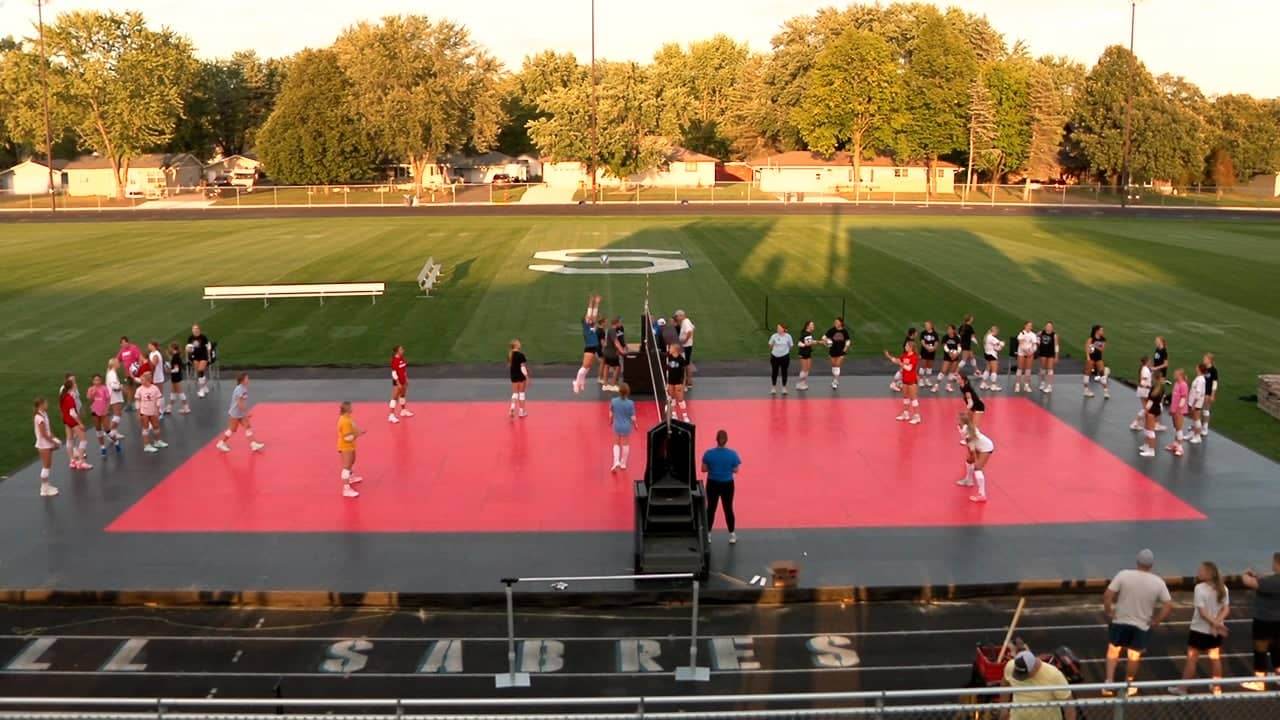
A construction class project at Sartell High School has evolved beyond a standard academic exercise into a community-wide athletic initiative. What began as an assignment for students under teacher Joe Schulte has culminated in the creation of an outdoor volleyball court on the school's football field.
The project was designed to test practical skills, but instead of concluding with a final letter grade, the work resulted in a physical structure intended for competitive play. According to reports from KSTP 5 Eyewitness News, the effort required weeks of dedicated labor from a group of construction students who worked to transform an ambitious concept into a tangible reality.
School officials have stated that the resulting event is believed to be the first outdoor high school volleyball match ever played in central Minnesota. The match is scheduled to take place on the newly constructed court, marking a departure from traditional indoor gymnasium settings for high school volleyball competitions in the region.
Community Collaboration and Student Effort
The construction of the court was not limited to classroom hours. It involved collaboration between Sartell High School students and the broader community. This partnership allowed the project to move forward with resources and labor that extended beyond the typical scope of a single class period.
Leadership and Instruction
Joe Schulte, the teacher leading the construction group, provided guidance throughout the process. Under his direction, students spent several weeks focusing on the specific requirements needed to build a regulation-compliant outdoor court. The timeline of the project was driven by the need to have the facility ready in time for the historic match.
Historical Significance of the Event
The upcoming volleyball match carries weight due to its location and setting. Central Minnesota has traditionally hosted high school volleyball matches indoors. The establishment of an outdoor venue at Sartell High School represents a potential shift in how the sport is conducted in the area.
While the exact history of outdoor high school volleyball in central Minnesota was not detailed in available reports, school officials maintain that this specific event will be the first of its kind. The distinction highlights the novelty of playing the sport on an outdoor surface at the secondary education level in this geographic region.
Project Execution and Venue Details
The volleyball court is situated on the football field, utilizing the space to accommodate both athletic facilities. The construction students focused on preparing the ground and marking the lines necessary for play. The decision to place the court on the football field allowed for a large-scale project that could be completed within the timeframe of the school term.
The completion of the court signifies the end of the academic portion of the assignment. For the students involved, the successful build serves as the primary metric of success, replacing the traditional grading system with a functional outcome. The match itself will serve as the practical application of their work, providing a venue for athletes to compete on a surface they helped create.
Implications for Local Athletics
The establishment of this court opens new possibilities for Sartell High School and potentially other institutions in central Minnesota. If the match proceeds as planned, it will set a precedent for outdoor high school volleyball in the area.
Reports from KSTP indicate that the project was viewed as an ambitious idea initially. The transition from idea to built structure demonstrates the capacity of vocational education programs to produce significant community assets. The involvement of the community in the build process further integrates the school with local residents, creating a shared investment in the athletic facilities.
The match will determine not only the outcome of the volleyball game but also the utility of the new court. If the facility proves durable and suitable for play, it may encourage future use for other events or sports. The success of the construction project is now tied to its performance under actual competitive conditions.