


The United States Senate Finance Committee rejected an amendment on Thursday designed to prevent the Internal Revenue Service from offering tax audit immunity agreements to a sitting president, their immediate family members, or any connected entities. The vote resulted in a 14-13 defeat for the proposed change. Every Republican member of the committee voted against the amendment. All Democratic members supported it.
Committee Vote and Legislative Mechanics
The rejected legislation was intended to effectively terminate a specific IRS audit immunity deal associated with Donald Trump, who is currently serving as President. The measure would have also required the Treasury Department to report any related agreements directly to Congress for review.
Democratic Senator Ron Wyden served as the ranking member on the committee and forced the amendment vote forward according to reports from Bloomberg Law. He introduced the specific text aimed at restricting immunity deals involving high-ranking officials.
Republican Opposition Despite Previous Criticism
The rejection of the measure occurred despite vocal opposition from some Republican senators regarding the terms of the proposed settlement with the IRS. Senators Bill Cassidy and John Cornyn, both Republicans who are scheduled to leave the Senate at the end of this year after being defeated in GOP primaries by Trump-backed challengers, voted against the amendment.
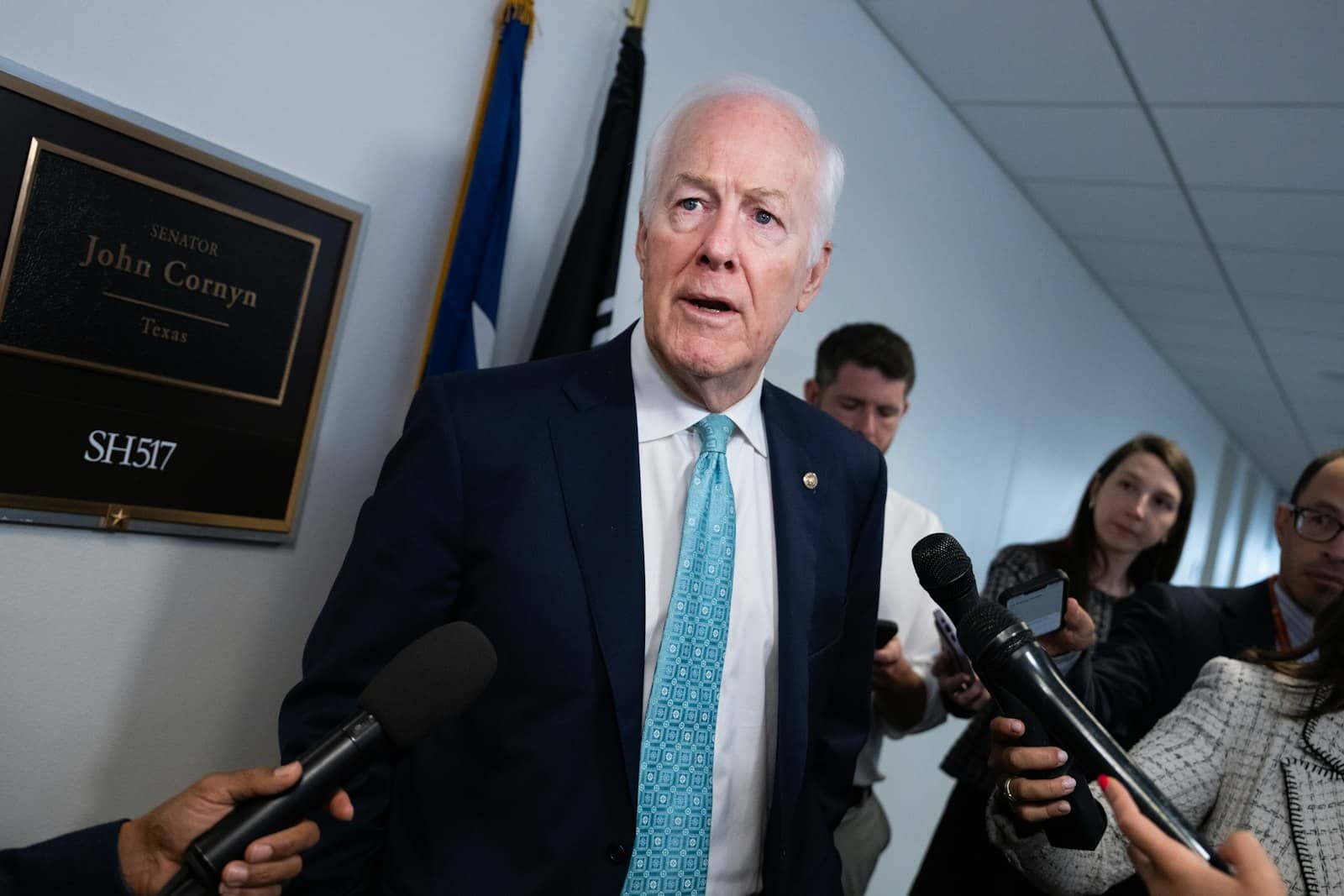
Senator John Cornyn has publicly opposed President Trump's settlement deal with the Internal Revenue Service. This opposition was noted even as he cast a vote that ensured the immunity provisions remained intact within the broader tax procedure bill.
The Terms of the Proposed Settlement
The proposed settlement deal reportedly includes protections from IRS audits for the president, his family members, and various businesses associated with him. The agreement also calls for the creation of a fund containing nearly $1.8 billion dollars that would be available to individuals claiming they have been victimized by what is described as political weaponization from the federal government.
Senator Cornyn has vowed to vote against Todd Blanche's nomination for attorney general until he receives a written agreement stating that the slush fund provision is dead. Additionally, Senator Cornyn sought a narrowing of scope regarding the IRS audit immunity deal so it would not apply to future tax filings beyond those currently under consideration.
Democratic Response and Public Sentiment
Democratic officials expressed strong dissatisfaction with the committee's decision on Thursday. Democratic Senator Maria Cantwell addressed Bloomberg Law following the vote regarding constituent feedback received by her office.
“Our office has received more than 7000 messages from constituents expressing their opposition and anger,”
Senator Cantwell continued to state that Congress needs to make clear to law-abiding citizens that well-connected individuals are not above the law. She emphasized this point in response to the committee's actions on Thursday.
Cross-Party Dynamics and Procedural Details
The amendment vote was conducted within the context of a larger tax procedure bill moving through the Senate Finance Committee. The 14-13 margin indicates that while Democrats were unanimous in their support for blocking immunity deals, Republicans were split on whether to allow such protections.
Senator Cassidy and Senator Cornyn are among those who will be leaving the chamber this year following election results where they lost primaries against candidates backed by President Trump. Despite previous statements opposing the settlement deal's terms regarding audit protection and funding for alleged victims, their legislative votes aligned with other Republicans to preserve the immunity provisions.
The rejection means that the Treasury Department is not currently required under committee rules to report specific details of such agreements before they are finalized in this instance. The vote effectively allows the administration to proceed without the additional transparency measures requested by Senator Wyden and his Democratic colleagues on the committee.
Implications for Future Tax Procedures
The outcome sets a precedent regarding how tax procedure bills interact with executive branch protections. Without the amendment, future negotiations between the IRS and federal entities may proceed without mandatory reporting to Congress as originally proposed by Democrats.
Senator Cornyn's specific condition regarding Todd Blanche's nomination highlights potential friction points within the Republican conference if written agreements are not secured before nominations advance in the Senate Judiciary Committee or other relevant bodies. The slush fund issue remains a point of contention distinct from the audit immunity provisions but linked to the same legislative package.
Democrats maintain that the well-connected must face audits like any other taxpayer under federal law. Their argument relies on constituent feedback gathered through direct communication channels, totaling over 7000 messages in some reports. This volume of correspondence was cited by Senator Cantwell as justification for pushing the amendment forward despite its ultimate failure.
Committee Composition and Voting Records
The Senate Finance Committee consists of a mix of party members who vote on tax legislation affecting federal revenue collection. The 14-13 split reflects the current partisan divide over executive privileges related to taxation.
All Democrats voted for the amendment while all Republicans voted against it. This unanimity within each caucus underscores the depth of disagreement between parties regarding the scope of presidential immunity from tax audits and federal investigations.