


The Convergence of Technology and State Power
The traditional foundations of national influence—territory, natural resources, and military power—are being challenged by a new dynamic in international relations. In the 21st century, technological capabilities have become increasingly vital for national influence, standing alongside and often amplifying traditional geopolitical factors. This profound shift has given rise to "technopolitics," a concept originally developed by science historian Gabrielle Hecht to describe how political objectives are embedded in nuclear technology design. Today, technopolitics encompasses the broader convergence of geopolitics and technology, where states employ technological advancements as instruments of political, economic, diplomatic, and security strategies to secure their interests and project power on the global stage.
In this evolving landscape, South Korea is framing its science diplomacy as a direct and strategic response to the rise of technopolitics. The nation aims to leverage its considerable technological strengths and innovative capacity to shape national power, enhance security, and deepen diplomatic engagement. This proactive approach aligns with broader global trends, such as the United States releasing its National Security Science and Technology Strategy last August, which explicitly elevates science and technology to a central pillar of national security and foreign policy.
Investing in Future-Defining Technologies
South Korea’s commitment to this technopolitical strategy is reflected in its substantial and sustained financial investments in research and development (R&D). The country’s R&D expenditure exceeds 5 percent of its gross domestic product, positioning it among the global leaders in innovation investment. To further foster strategic industries and secure future competitiveness, the government is allocating more than $30 billion toward the "Seven SEED National Strategic Core Technologies." These critical sectors include advanced supply chains, aerospace, and advanced biotechnology, alongside key energy and digital innovations.
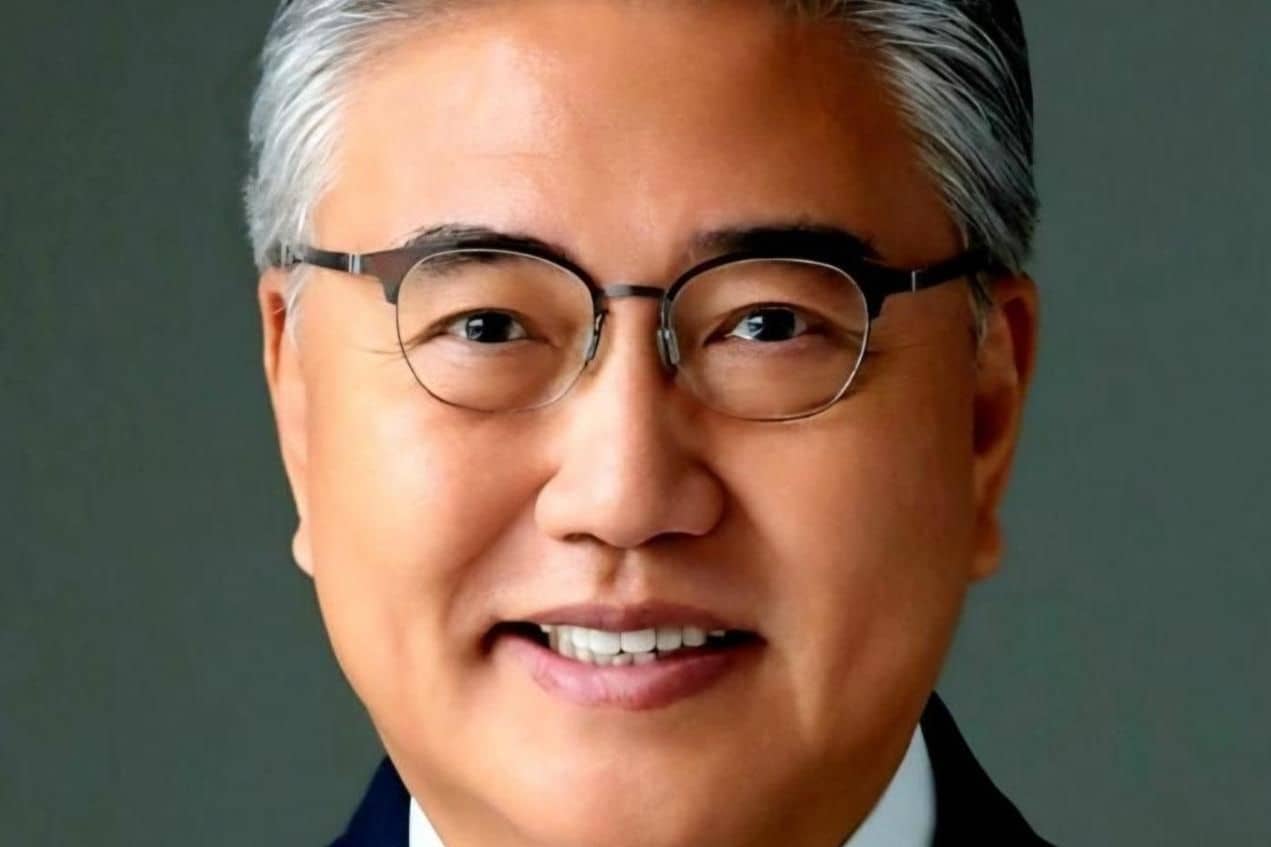
Within the energy domain, the focus areas include small modular reactors (SMRs), nuclear fusion, and renewable energy, all crucial for future energy security and sustainability. In digital and advanced computing, quantum technology is a significant priority. Policy recommendations outlined by Park Jin further emphasize that artificial intelligence (AI), semiconductors, clean energy, and quantum technology should remain central to a sustained national strategy. The government’s concentrated focus on these specific areas is intended not only to drive economic growth but also to secure Korea’s position in the global technological hierarchy, transforming scientific capability into tangible geopolitical leverage.
Cultivating Strategic Technological Expertise
The comprehensive list of technologies targeted by Seoul underscores a multifaceted strategy. Artificial intelligence and semiconductors are recognized as foundational for the digital economy and national security, influencing everything from defense systems to industrial productivity. Clean energy technologies, encompassing small modular reactors, nuclear fusion, and various forms of renewable energy, are vital for addressing climate change, ensuring energy independence, and creating new export markets. Quantum technology is seen as a frontier area with the potential to revolutionize computing, cryptography, and sensing, offering a significant strategic advantage. Meanwhile, investments in aerospace, advanced biotechnology, and advanced supply chains aim to enhance national resilience, foster high-value industries, and secure critical components for Korea’s industrial base.
Leading Global Norms and Forging Partnerships
Seoul has actively utilized its technological standing to host and co-convene significant international diplomatic events, demonstrating its ambition to shape global norms for emerging technologies. Following a similar event in the United Kingdom, the city hosted the AI Seoul Summit, bringing together leaders and experts to discuss the governance and future of artificial intelligence. Additionally, South Korea, in partnership with the Netherlands, convened the Summit on Responsible Artificial Intelligence in the Military Domain (RAIIM) in Seoul. This landmark summit resulted in a comprehensive Blueprint for Action that was adopted by 61 countries, showcasing Seoul’s leadership in establishing ethical and responsible frameworks for the use of AI in sensitive domains.
To bolster its technopolitical objectives, Park Jin argues that South Korea must build diverse partnerships across multiple regions and geopolitical blocs. This includes strengthening ties with traditional allies like the United States, Europe, and Japan, while also expanding engagement with China, the broader Indo-Pacific region, and the Global South. To achieve this, Seoul is actively building on existing diplomatic frameworks. These include the revised bilateral Science and Technology Cooperation Agreement with the United States, which provides a robust foundation for collaborative research and development, and the Korea–U.S. Technology Prosperity Deal memorandum of understanding, signed last October, further cementing bilateral cooperation in critical and emerging technologies.
Structural Reforms for Science Diplomacy
To effectively support and execute these extensive external engagements, Park Jin recommends crucial structural changes within the South Korean government. He calls for the establishment of a government-wide coordinating body for science diplomacy. Such a body would ensure cohesive policy implementation, streamline efforts across various ministries, and prevent fragmented approaches to technology-driven foreign policy. Furthermore, he advocates for strengthening diplomatic science capacity, which involves equipping diplomats with a deeper understanding of scientific and technological issues and integrating scientific expertise into diplomatic missions. Finally, Park Jin proposes the creation of a permanent platform for science and diplomacy, designed to foster sustained dialogue and collaboration between scientific communities and foreign policy practitioners. These institutional reforms are proposed to ensure that South Korea’s technological assets are effectively integrated into its long-term foreign policy objectives, maximizing their impact on national influence and security.
Redefining Korea's Global Influence
The integration of technology into foreign policy represents a significant and transformative shift in how South Korea approaches national security and global standing. By strategically focusing on high-tech sectors and actively shaping international norms, the country aims to compensate for traditional geopolitical disadvantages and amplify its influence in a rapidly changing world. The substantial allocation of over $30 billion for strategic industries and the maintenance of R&D spending above 5 percent of GDP signal a clear, long-term commitment to this technopolitical strategy, positioning innovation at the heart of statecraft.
As technopolitics continues to define international relations, South Korea’s proactive and comprehensive approach offers a compelling model for leveraging scientific advancement as a primary tool of statecraft. The nation’s efforts to establish global norms through high-profile summits and to secure robust bilateral agreements highlight the growing importance of technology in diplomatic negotiations and the pursuit of national interests. Through these initiatives, Seoul is not merely adapting to the new global order but actively shaping it, asserting its role as a key player in the technological future.