


Introduction: The Principle of Interest-Based Diplomacy
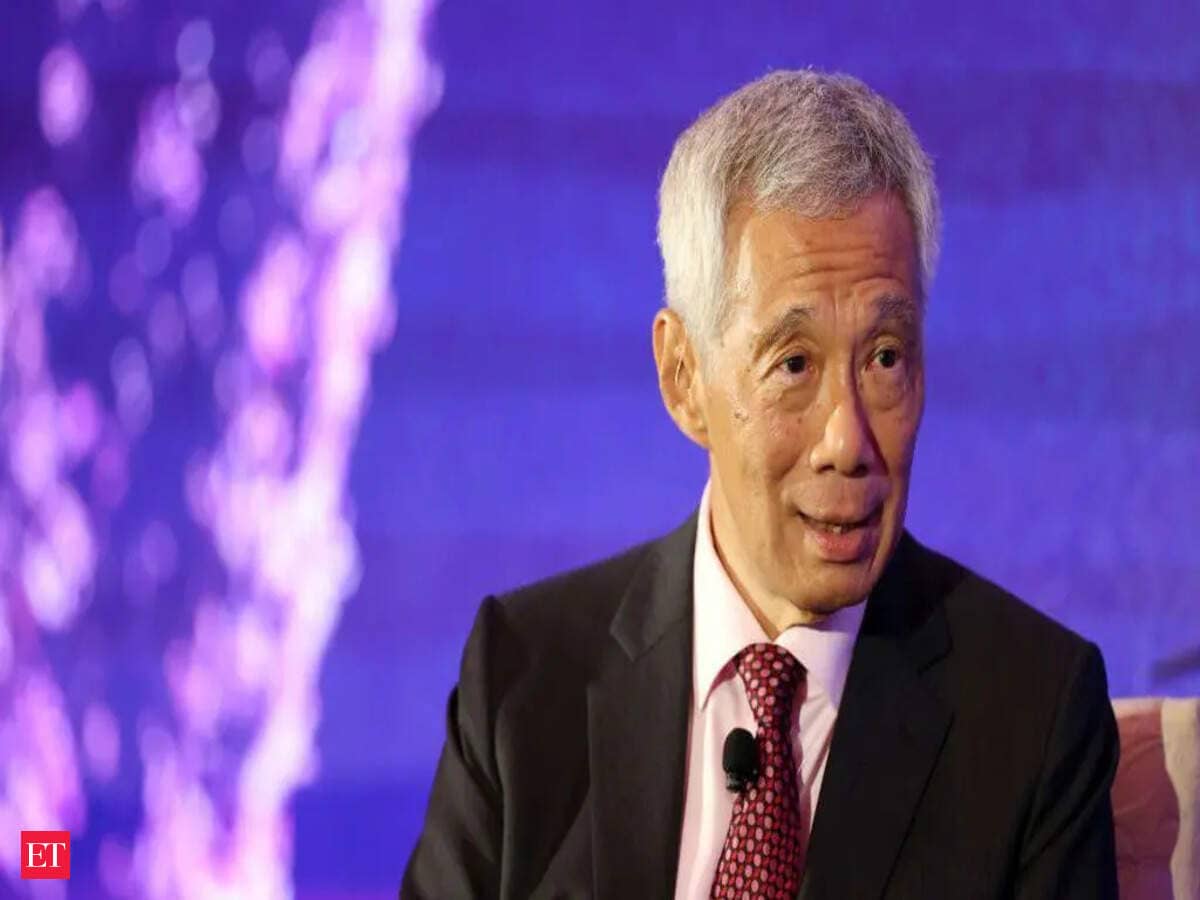
Singapore's former Prime Minister Lee Hsien Loong articulated a fundamental principle of modern international relations, stating, "We cooperate with China because of shared interests, not because of shared blood." This statement underscores a pragmatic approach to foreign policy, emphasizing that national decisions regarding cooperation are primarily driven by strategic interests rather than ethnic, cultural, or historical affinities.
The declaration reflects a core tenet of geopolitical realism, where states act in their perceived self-interest to ensure survival, prosperity, and security. For Singapore, a small, multi-ethnic nation situated in a strategically vital region, this principle has long guided its engagement with major global powers, including China.
Defining "Shared Interests" in International Relations
In the context of modern diplomacy, "shared interests" encompass a broad spectrum of practical considerations that can lead nations to cooperate. These often include economic benefits, such as trade agreements, investment flows, and market access. For instance, Singapore and China have robust economic ties, with China being Singapore's largest trading partner and Singapore being a significant investor in China. These economic linkages create a mutual stake in each other's stability and growth.
Beyond economics, shared interests can extend to regional stability and security. Both nations may benefit from a peaceful and predictable regional environment, free from conflict or destabilizing influences. This can translate into cooperation on issues like maritime security, counter-terrorism, and disaster relief. Furthermore, global challenges such as climate change, pandemics, and transnational crime often necessitate international cooperation, where shared interests in addressing these issues can supersede other considerations.
Technological collaboration and innovation are also emerging areas of shared interest, as countries seek to advance their capabilities and leverage global expertise. The alignment of specific policy objectives, rather than a broad cultural commonality, forms the basis for such engagements.
Beyond "Shared Blood": A Pragmatic Approach
The phrase "not because of shared blood" explicitly distinguishes Singapore's foreign policy from one based on ethnic or cultural solidarity. While a significant portion of Singapore's population is of Chinese descent, Lee Hsien Loong's statement asserts that this demographic fact does not dictate the nation's foreign policy choices towards China. Instead, decisions are made on the basis of national interest, independent of ethnic ties.
This approach highlights a deliberate move away from sentimental or identity-based foreign policy. In a world characterized by diverse populations and complex geopolitical landscapes, relying on "shared blood" as a primary driver for international cooperation can lead to narrow alliances or perceived biases. By emphasizing interests, a nation can maintain flexibility and engage with a wider array of partners, even those with whom it shares no ethnic or cultural bonds.
For Singapore, a multi-racial and multi-religious society, an interest-based foreign policy is crucial for maintaining internal cohesion and projecting an independent stance on the global stage. It ensures that the nation's diplomatic engagements serve the collective good of all its citizens, rather than being perceived as favoring one ethnic group over another.
Singapore's Foreign Policy: A Case Study in Pragmatism
Singapore's foreign policy has historically been characterized by pragmatism, realism, and a commitment to multilateralism. The nation, due to its small size and strategic location, relies on a rules-based international order and strong diplomatic relations with a diverse range of countries. Lee Hsien Loong's statement encapsulates this approach, particularly in the context of managing relations with major powers like China and the United States.
Singapore maintains robust economic and security ties with both China and the United States, navigating the complexities of their strategic competition. This balancing act is achieved by consistently prioritizing Singapore's national interests, which include maintaining open trade routes, attracting foreign investment, and preserving regional stability. The principle of "shared interests, not shared blood" allows Singapore to engage constructively with China on mutually beneficial projects while also upholding its relationships with other partners based on similar interest-driven calculations.
This strategic autonomy is vital for Singapore's survival and prosperity. It enables the nation to avoid being drawn into exclusive blocs based on non-strategic factors, thereby preserving its ability to make independent foreign policy decisions that best serve its long-term objectives.
Geopolitical Realism and Global Power Dynamics
Lee Hsien Loong's statement aligns with the tenets of geopolitical realism, a theory that posits states are the primary actors in international relations and that they act rationally to maximize their own power and security. From this perspective, alliances and cooperation are formed not out of altruism or shared identity, but out of a calculation of mutual benefit and strategic necessity.
In a global environment marked by shifting power balances and increasing multipolarity, this interest-based approach offers a framework for understanding how nations navigate complex relationships. It reveals that countries are constantly assessing their strategic landscape, seeking partners whose goals align with their own on specific issues, even if their broader values or political systems differ significantly.
This perspective also sheds light on the dynamic nature of global power balances. Nations can form ad-hoc coalitions to address specific threats or pursue particular opportunities, without necessarily committing to long-term, ideologically driven alliances. This flexibility allows for a more adaptive international system, where cooperation can emerge and dissolve based on evolving interests, rather than being rigidly defined by historical ties or ethnic commonalities.
Implications for Modern Diplomacy
The principle articulated by Lee Hsien Loong has significant implications for modern diplomacy. It underscores that effective international engagement in the 21st century is increasingly driven by a clear-eyed assessment of national interests and the pursuit of mutual benefit. This approach encourages strategic engagement, where countries identify specific areas of convergence and build cooperation upon those foundations.
It also suggests that nations, particularly smaller states, can maintain their autonomy and influence by adopting a pragmatic, interest-based foreign policy. By focusing on tangible outcomes and shared objectives, countries can navigate complex geopolitical rivalries, engage with diverse partners, and contribute to global stability without being constrained by non-strategic factors. This framework helps to explain how nations can manage intricate relationships, such as those involving significant economic interdependence alongside strategic competition, by compartmentalizing issues and seeking cooperation where interests align.