


S Senator Challenges Past Perceptions of Regional Neglect
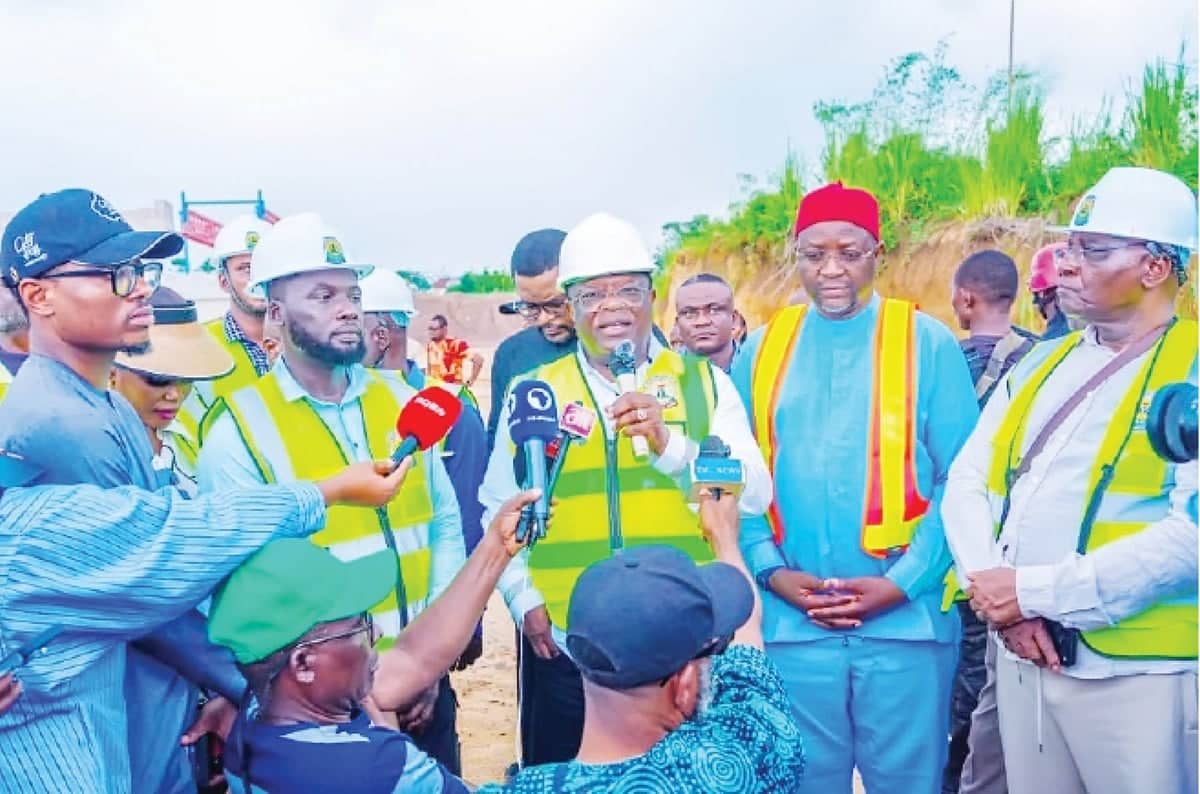
Senator Osita Ngwu, who represents the Enugu West Senatorial District, publicly stated that the historical perception of the South-East region being abandoned is no longer accurate. Speaking alongside members of the Presidential Media Team and the Renewed Hope Ambassadors, Ngwu addressed reporters at a construction site in Enugu. His comments were made during an inspection of the ongoing Eke Obinagu Flyover project.
Ngwu’s remarks served as a focal point for the broader objectives of the five-day tour, which traversed Ebonyi, Enugu, and Abia States. The senator explicitly acknowledged his own past stance, admitting that he had previously believed the region was neglected by previous administrations. He contrasted this with his current assessment, asserting that the situation has changed under the present government.
The inspection tour was organized to provide journalists with direct access to selected federal and state projects currently underway in the South-East. The initiative falls under the administration of President Bola Ahmed Tinubu. By facilitating site visits, the organizers intended to allow media personnel to verify the status of infrastructure developments firsthand rather than relying on secondary reports.
Inspection Tour Focuses on Infrastructure and Direct Dialogue
The five-day exercise included detailed inspections of various infrastructure sites, including roads and bridges. Participants received briefings on the progress and scope of these projects. The itinerary was designed to cover multiple locations across the three states, allowing for a comprehensive view of the development landscape in the geopolitical zone.
Beyond physical inspections, the tour provided a structured platform for dialogue between federal officials and regional leaders. Governors, ministers, and other public officials participated in discussions regarding their perceptions of the relationship between the South-East region and the Federal Government. These interactions were intended to address how policy implementation is perceived at the state level.
The presence of the Presidential Media Team and the Renewed Hope Ambassadors indicated a coordinated effort to communicate government activities directly to the public. The group’s movement through the states allowed them to observe project sites in real-time. This approach aimed to bridge the gap between federal policy announcements and on-the-ground realities.
Specific Project Sites and Official Presence
The Eke Obinagu Flyover in Enugu served as one of the primary stops during the tour. The structure is currently under construction, and its status was highlighted to demonstrate ongoing federal engagement in the region. Officials present at the site used the location to discuss the technical and administrative aspects of the project.
The inclusion of Ebonyi and Abia States in the itinerary ensured that the review covered a broader geographic area than just Enugu. This multi-state approach allowed for comparisons of development progress across different jurisdictions within the South-East. The tour’s structure emphasized direct observation over theoretical discussion, with officials guiding journalists through active work zones.
Administrative Goals and Regional Perception
The primary goal of the inspection tour was to expose journalists to the selected projects in the South-East. By doing so, the organizers sought to provide a factual account of federal investments in the region. The exercise aimed to counter narratives of neglect by showcasing active construction and administrative attention.
Participants in the tour included high-ranking government representatives who are tasked with communicating the administration’s agenda. Their presence at project sites underscored the priority given to infrastructure development in the South-East. The tour also served as a mechanism for federal officials to hear directly from state governors about local challenges and successes.
The findings from the five-day review were intended to inform public discourse on government performance. By focusing on tangible projects like flyovers, bridges, and road networks, the administration highlighted its commitment to physical development in the region. The tour concluded with a summary of observations made by the media team and ambassadors, who reported on the visible progress of federal initiatives.