

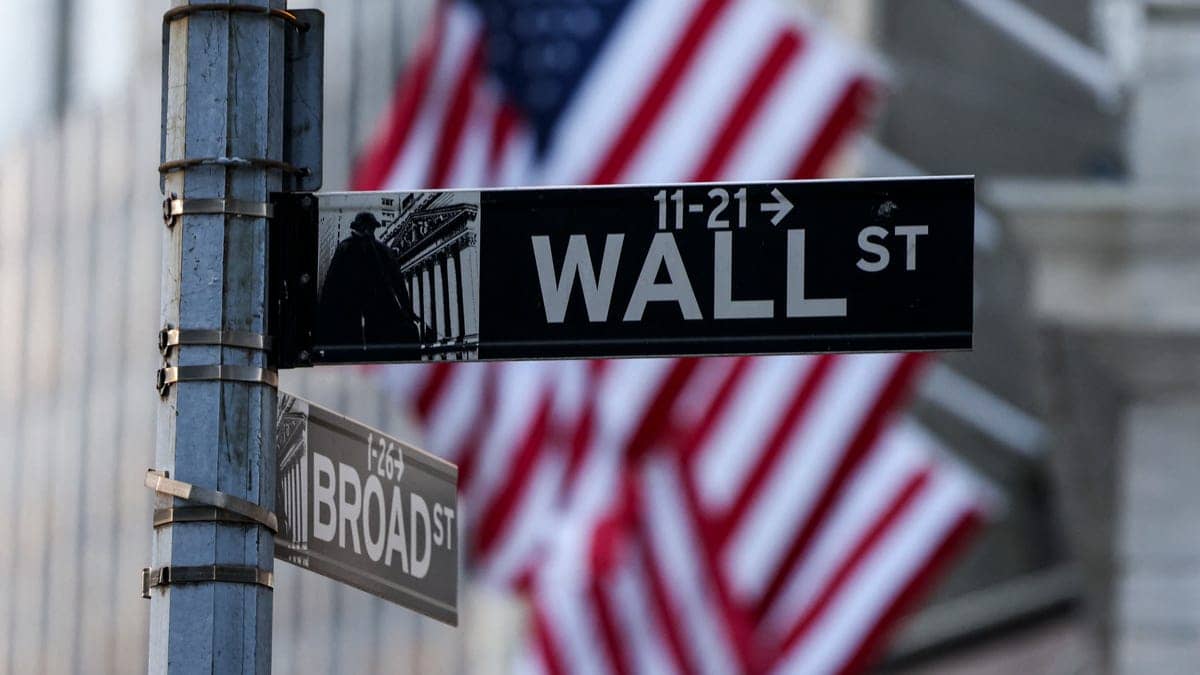

Major Indices Pull Back After Week's Strong Start
U.S. stock indices concluded Thursday's trading session lower, marking a pause in a robust rally that had propelled major benchmarks to record highs just days prior. The S&P 500, a broad measure of large-cap U.S. equities, shed 13.52 points, or 0.18%, to close at 7,710.03. Similarly, the Dow Jones Industrial Average, representing 30 significant U.S. companies, experienced a more pronounced decline, falling by 464.02 points, or 0.85%, to finish the day at 53,885.10.
The market's performance on Thursday contrasted sharply with the optimism that characterized the beginning of the week. Earlier in the week, both the Dow Industrials and the S&P 500 had surged to unprecedented levels. This upward momentum was primarily fueled by two key factors: a series of strong corporate earnings reports that exceeded analyst expectations, and a growing sense of optimism among investors regarding the potential for an imminent end to hostilities in the ongoing Iran war. These positive catalysts had helped to alleviate some investor concerns, particularly those related to the massive spending trends observed in companies heavily invested in artificial intelligence technologies.
However, Thursday's trading activity was marked by a distinct lack of clear direction, reflecting a shift in investor sentiment. Traders found themselves balancing the continued digestion of the latest quarterly corporate earnings data with a heightened focus on evolving diplomatic efforts and geopolitical developments in the Middle East. The session underscored a cautious approach as market participants assessed new information from international negotiations, particularly those concerning Iran, and evaluated the performance of specific industry sectors that showed signs of weakness.
Software Sector Drags Down Technology Shares
Among the sectors contributing significantly to the broader market decline on Thursday were software stocks, which experienced a notable downturn. This weakness within the software industry acted as a drag on overall market performance, offsetting gains observed in other areas and ultimately contributing to the negative close for major indices like the S&P 500 and Dow Jones Industrial Average.
The dip in technology-related equities, particularly within the software segment, occurred precisely as the broader market's upward trajectory stalled. This sector had previously been a strong driver of the market's earlier rally, with investors eagerly pushing valuations higher, often buoyed by positive corporate financial results and the promise of growth, especially in areas linked to technological innovation and artificial intelligence. The Thursday decline, therefore, represented a clear reversal of this immediate trend, signaling a shift in investor focus from pure growth narratives to a more cautious assessment of geopolitical risks and sector-specific vulnerabilities.
While the initial optimism surrounding robust earnings and technological advancements had propelled the market, the specific downturn in software stocks highlighted a potential re-evaluation by investors. This re-evaluation likely considered the ongoing geopolitical uncertainties alongside the high valuations many tech companies had achieved, prompting some profit-taking or a reallocation of capital away from these previously high-flying segments.
Geopolitical Tensions Drive Oil Price Surge
Amidst the broader market's retreat, oil prices surged during Thursday's trading session, reflecting heightened market sensitivity to potential disruptions in global energy shipping routes. U.S. crude, specifically West Texas Intermediate (WTI) futures (CLc1), settled up a significant 2.75% at $77.29 a barrel. International benchmark Brent crude (LCOc1) also saw a substantial increase, settling at $82.49 per barrel, representing a 3.83% rise for the day.
This notable increase in energy costs coincided directly with concerning reports emanating from Iran regarding its parliamentary activities. These reports indicated a potential escalation of geopolitical tensions that could directly impact the flow of global oil supplies.
Iran's Proposed Strait of Hormuz Restrictions
According to Iran's semi-official Fars news agency, an Iranian parliamentary committee is actively reviewing a preliminary bill that, if passed, could have far-reaching implications for international maritime trade. This proposed legislation specifically aims to bar certain vessels from transiting the Strait of Hormuz, a waterway of immense strategic importance. The bill targets U.S. and Israeli vessels, along with any other ships designated as "hostile" by Iran, from passing through this critical chokepoint.
The Strait of Hormuz is universally recognized as one of the world's most vital maritime passages, serving as the primary conduit for a substantial portion of global oil shipments. Approximately one-fifth of the world's total oil supply, along with a significant volume of liquefied natural gas (LNG), passes through this narrow waterway, connecting the Persian Gulf to the open ocean. Any restrictions or impediments to passage through this strait have historically triggered immediate and often severe volatility in global energy markets, due to the direct threat they pose to supply security.
The mere review of such a bill by an Iranian parliamentary committee, even without immediate passage, adds a significant layer of uncertainty to the already complex geopolitical landscape of the region. Investors are keenly factoring this potential for disruption into their current trading decisions, leading to the upward pressure observed on crude oil prices as they price in a risk premium for future supply concerns.
Market Participants Grapple with Iran "Headline Fatigue"
Despite the tangible impact of geopolitical developments on oil prices and overall market sentiment, several market participants described the current reaction to Iran-related news as notably more muted compared to previous periods of similar tension. Robert Bernstone, head of trading at SummitTX Capital in New York, articulated this sentiment by noting that investors are experiencing a phenomenon he termed "headline fatigue," specifically concerning news originating from Iran.
Bernstone elaborated on this observation, stating, "You're seeing perhaps more muted response to macro news than you would otherwise see, probably due to the fact of the summer and a little bit of fatigue." He clarified that while the situation involving Iran undeniably continues to exert an influence on global markets, the immediate and knee-jerk reaction to individual news items or reports is significantly less pronounced than it might have been in the past. This suggests a more measured and analytical approach by traders rather than impulsive reactions.
Furthermore, Bernstone emphasized that traders and investors are increasingly looking for concrete, verifiable details and substantive developments rather than reacting solely to public communications, statements, or preliminary reports. "Iran is having less of an impact right now, to be clear, I'm not saying it has no impact … tweets are something, headlines are something, but we really want to see the devil is in the details," he stated, highlighting the market's demand for tangible evidence of policy shifts or peace deal progress.
This prevailing sentiment of fatigue, however, does not diminish the underlying importance of the geopolitical situation. The intricate combination of ongoing corporate earnings data analysis, the specific performance of key sectors like software, and the fluctuating dynamics of energy prices, all continue to define the current trading environment. As investors navigate these multifaceted influences, they remain acutely focused on awaiting further clarity and concrete outcomes from the ongoing peace deal negotiations and legislative reviews in the Middle East.