


Rai Questions Motives Behind Gautam’s Remarks
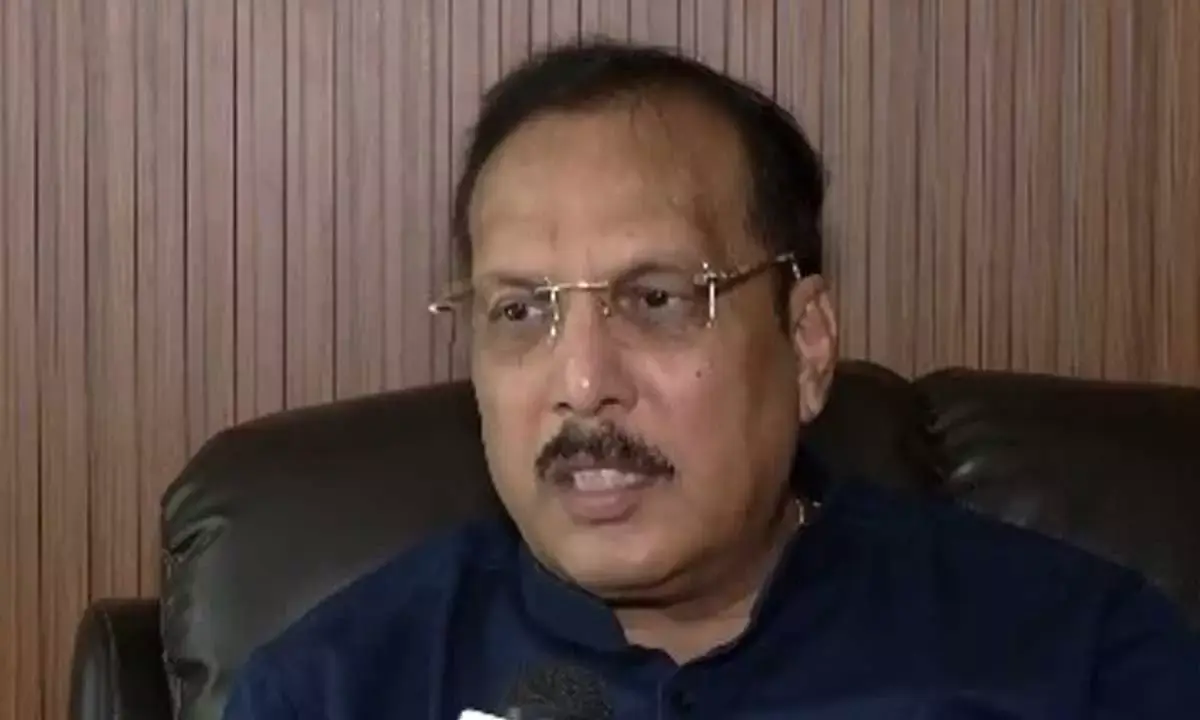
Lucknow: Samajwadi Party (SP) Member of Parliament Rajeev Rai has publicly criticized Congress leader Rajendra Pal Gautam regarding recent comments made by the latter about seat-sharing arrangements in Uttar Pradesh. The dispute centers on Gautam’s suggestion that seats should be distributed equally between the two allied parties. Rai, speaking to reporters on Tuesday, described the remark as a strategic move rather than a genuine policy proposal.
Rai accused Gautam of using the statement to carve out a distinct personal profile within the Congress party structure. According to Rai, the emphasis on "equal" distribution was not rooted in electoral strategy or alliance dynamics but was instead driven by Gautam’s desire to establish his own identity as the newly appointed Uttar Pradesh in-charge for the Congress party.
The SP MP did not provide specific evidence regarding internal party communications but framed the incident as a clear signal of Gautam’s intentions. Rai stated that the timing and nature of the remark indicated an effort to differentiate himself from other leaders within the Congress hierarchy. This interpretation was presented as Rai’s direct assessment of the situation, based on his observation of Gautam’s recent appointment and subsequent public statements.
Details of the Seat-Sharing Dispute
The controversy originated from Gautam’s public assertion that the Congress party should seek an equal share of seats in Uttar Pradesh for the upcoming elections. As the new state in-charge, Gautam’s comments were viewed by political observers as a significant indicator of the Congress party’s stance within the broader alliance framework. However, Rai interpreted these comments through a different lens, focusing on the personal ambitions he believed were behind the statement.
Rai’s criticism was directed specifically at Gautam’s role and the implications of his words for the Samajwadi Party. The SP leader argued that such remarks could disrupt the established understanding between allies. By highlighting Gautam’s position as the new in-charge, Rai suggested that the Congress party might be undergoing internal shifts in its approach to seat distribution, driven by individual leadership ambitions rather than collective decision-making.
The exchange took place in Lucknow, where Rai addressed the media regarding the incident. He used strong language to describe Gautam’s comments, referring to them as an attempt to project a specific image. Rai did not engage with the substantive merits of equal seat sharing but instead focused on the perceived personal agenda of the Congress leader.
Implications for Alliance Dynamics
The remarks by Gautam and the subsequent response from Rai highlight potential tensions within the political landscape of Uttar Pradesh. As a newly appointed official, Gautam’s statements carry weight in determining the party’s electoral strategy. However, Rai’s interpretation suggests that such strategies may be influenced by internal power dynamics rather than purely external political considerations.
Rai’s comments serve as a public challenge to Gautam’s authority and judgment within the Congress party. By framing the seat-sharing remark as a bid for personal identity, Rai seeks to undermine the credibility of the statement in the eyes of the public and party members. This approach aligns with typical political tactics where allies critique each other’s internal communications to gain leverage or signal dissatisfaction.
No response from Rajendra Pal Gautam was recorded in the immediate aftermath of Rai’s comments as per the available reports. The incident remains a point of contention between the two leaders, with Rai continuing to emphasize the alleged personal motives behind Gautam’s public statements. The situation reflects the complex interplay of alliance politics and individual leadership ambitions in Uttar Pradesh.