


Testing the Viability of Independent Politics
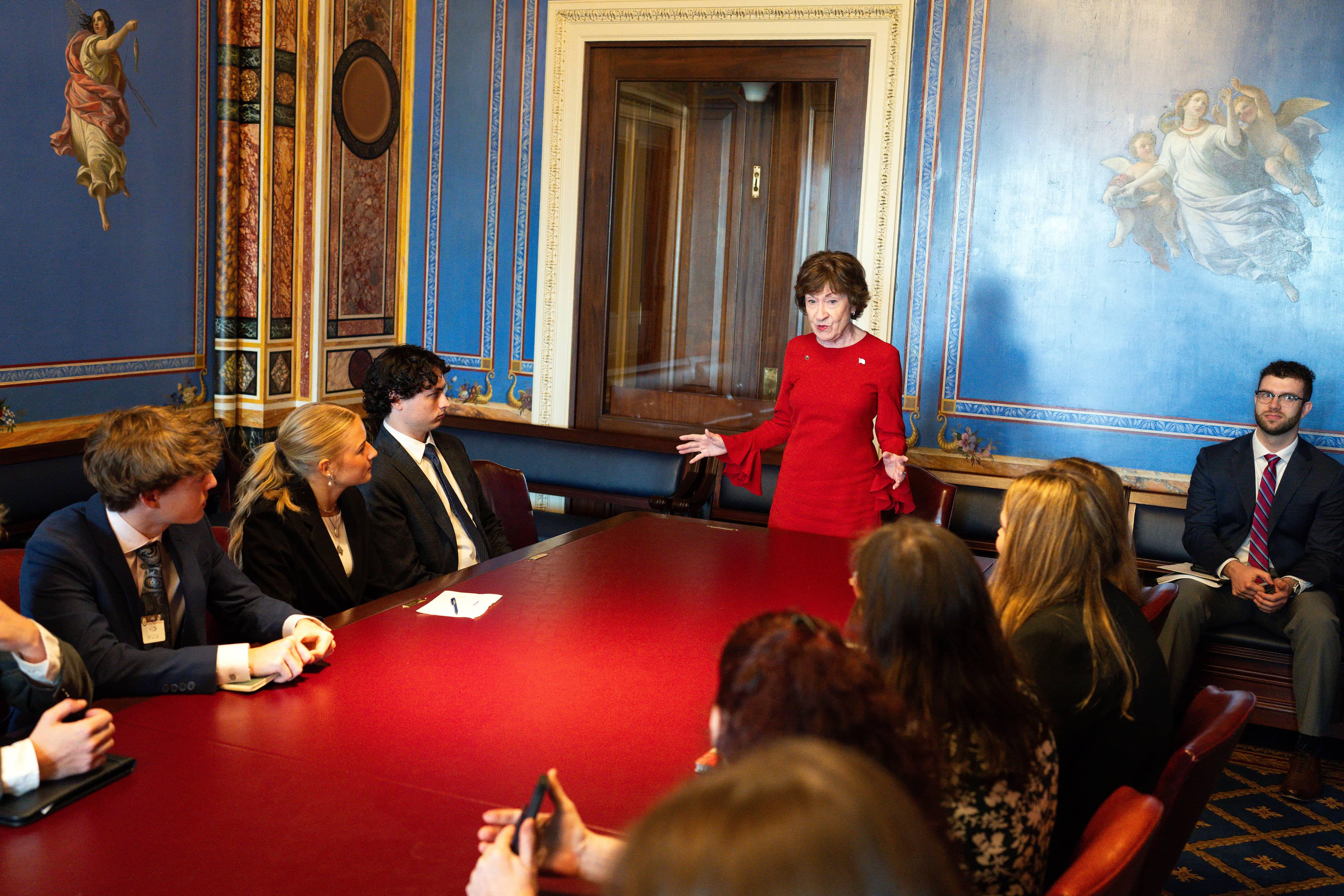
Susan Collins, the Republican senator from Maine, is currently assessing whether traditional political methods retain their efficacy in the contemporary landscape. According to reporting by The Boston Globe, this effort represents a fundamental test of whether "old school" politics can function effectively today. The current political environment is characterized by activists who increasingly require their elected representatives to adhere strictly to party lines.
In this modern climate, the role of the independent centrist has shifted significantly. Political bases no longer view these figures as heroes. Instead, such politicians are often regarded as villains who must be purged from their respective parties. Collins pitches herself as an independent voice, a strategy that stands in direct contrast to the expectations of current political activists who demand unwavering partisan loyalty.
Historical Precedent and Political Evolution
The senator’s current approach is rooted in a different era of American politics. Collins was first elected to the Senate in 1996. During that period, the political landscape was largely defined by Clinton-era triangulation. This strategy involved appealing directly to the political middle rather than relying solely on partisan bases.
During her initial election cycle and the years that followed, maintaining an independent stance was valued as a genuine sign of political courage. Being an independent maverick was considered a positive attribute within the political system at that time. This historical context highlights a stark divergence from the current demands placed on senators by their respective bases.
The Shift in Activist Expectations
While Collins continues to operate as an independent voice, the expectations of political activists have evolved. The modern activist base prioritizes strict alignment with party platforms over bipartisan cooperation or independent judgment. This shift has altered the perception of centrist politicians.
Where Collins’s strategy relies on the value of independence, today’s political environment often penalizes such behavior. Activists now expect representatives to fall strictly in line with their party’s directives. The independent centrist is no longer celebrated for bridging divides but is instead targeted for perceived disloyalty.
Collins’ Current Political Posture
Susan Collins maintains her position as an independent voice within the Senate. This posture is a deliberate continuation of the tactics that defined her early career in 1996. By pitching herself as an independent, she is challenging the prevailing norm that requires strict partisan conformity.
The Boston Globe notes that this effort is more than just a campaign strategy; it is a test of political endurance. Collins is determining whether the political system still rewards the type of independence that was once considered courageous. The outcome of this test will determine if traditional centrist politics can survive in an era dominated by activist-driven partisan demands.
Contrasting Eras
The contrast between Collins’s 1996 election and her current political reality underscores the changing nature of American governance. In 1996, triangulation was a viable and respected method of governing. Today, that same approach is viewed with suspicion by many activists who demand immediate and total adherence to party ideology.
Collins’s continued presence as an independent voice serves as a living example of this political transition. She represents a style of politics that valued the middle ground, a concept that has become increasingly difficult to sustain in the current era. Her efforts highlight the tension between historical political norms and modern activist expectations.
Implications for Modern Governance
The question of whether old school politics still work is central to Collins’s current political identity. If traditional tactics fail to resonate with today’s activists, the role of the independent senator may continue to diminish. Conversely, if her approach proves effective, it could signal a potential shift in how political courage is defined.
For now, Collins remains focused on testing the limits of independent politics. Her strategy relies on the belief that appealing to the political middle can still yield results, despite the prevailing demand for strict party alignment. This ongoing experiment will determine if there is still room for independent voices in a highly polarized political system.