

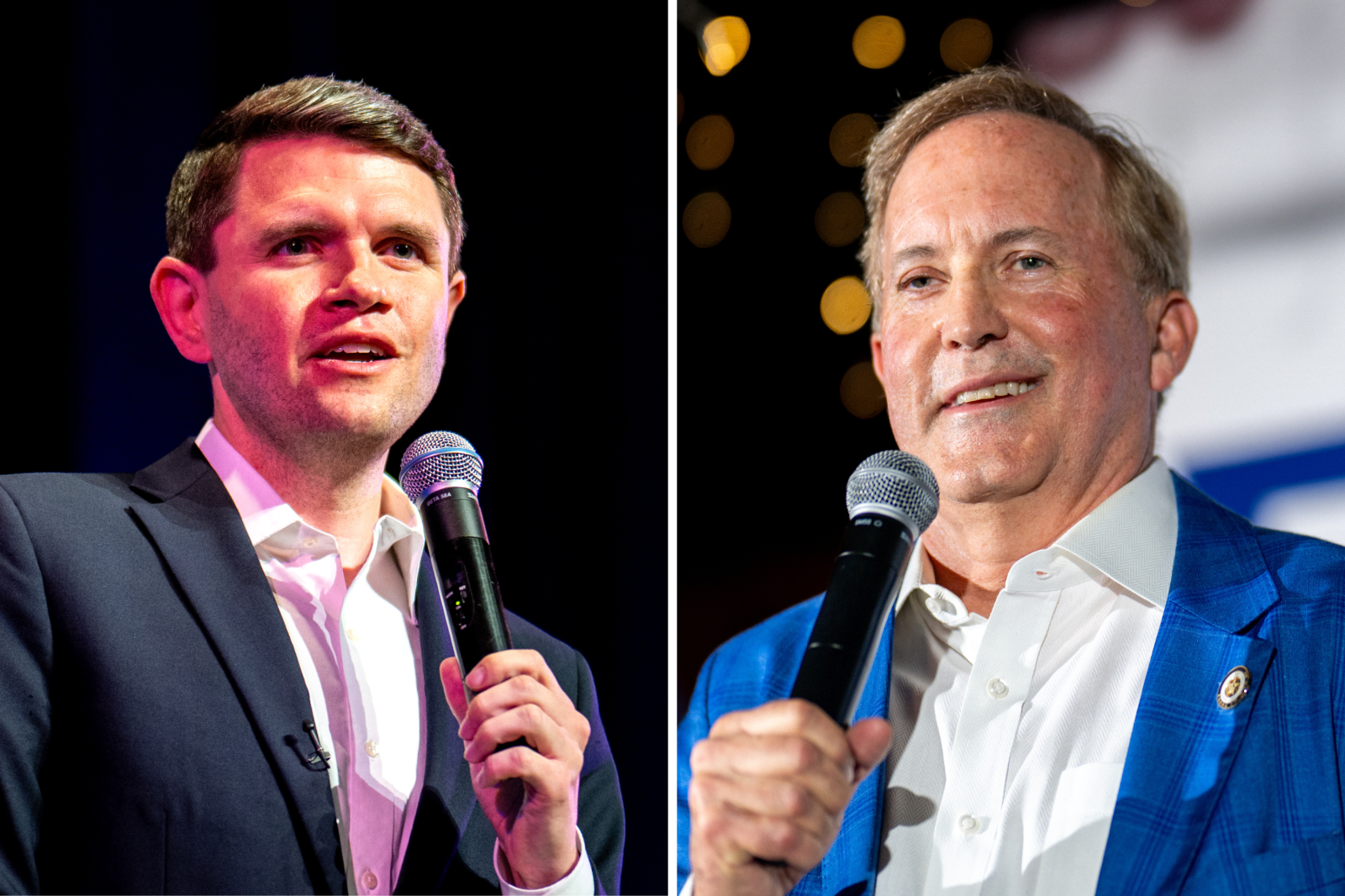

Statistical Tie Defines Early Campaign Landscape
The early stages of the 2026 United States Senate race in Texas are being defined by an exceptionally close contest, with Democratic hopeful James Talarico and Republican Attorney General Ken Paxton currently locked in a statistical dead heat. Recent polling data, disseminated via social media, indicates that both candidates have garnered precisely 50 percent of the support among likely voters. This exact parity positions the Texas Senate race as one of the most intensely watched and potentially pivotal contests within the upcoming midterm election cycle.
The survey, conducted by Overton Strategies, meticulously gathered responses from likely voters across the state between August 24 and August 26. The findings are particularly striking because they reveal a race where neither candidate holds any measurable advantage. A 50-50 split suggests an unprecedented level of equilibrium in voter sentiment at this early juncture, implying that the electorate is evenly divided on their initial preferences. This precise statistical tie means that even the slightest shift in public opinion or campaign momentum could prove decisive as the election cycle progresses, making every strategic move and public appearance by the candidates critically important.
Democrats See Opportunity in Texas, a Republican Bastion
Political analysts and party strategists are closely scrutinizing the implications of this evenly split poll, particularly for the Democratic Party. Democrats have identified Texas as a significant potential flip opportunity in the upcoming midterm elections. This strategic focus is particularly noteworthy given the Lone Star State's historical voting patterns, which have long established it as a robust Republican stronghold. Any competitive dynamic emerging between the two major parties in Texas, especially one showing a dead heat, carries substantial weight for national political calculations and the broader balance of power in the U.S. Senate.
The perception of Texas as a viable target for a party switch suggests a fundamental shift in Democratic campaign strategy. It indicates that the party is operating under the assumption that the state's electoral landscape may be more fluid and susceptible to change than in previous cycles. This strategic outlook is a primary driver behind the intensity of the contest between James Talarico, the Democratic challenger, and Ken Paxton, who embodies the incumbent Republican establishment and its long-standing influence in the state's political arena.
Incumbent vs. Challenger Dynamics in a Tight Race
Ken Paxton, who currently serves as the Attorney General of Texas, is tasked with defending not only his party's hold on this crucial Senate seat but also the broader Republican dominance in the state. His opponent, James Talarico, is running as the Democratic hopeful, actively seeking to unseat Paxton and challenge the established political order. The poll results vividly reflect a race where the incumbent and the challenger have, in the eyes of likely voters, effectively neutralized each other's early campaign advantages. This suggests that neither candidate has managed to establish a clear narrative or consolidate support sufficiently to pull ahead at this stage.
The remarkable tightness of the race underscores the exceptionally high stakes for both major parties. For Republicans, maintaining control in Texas is an absolute priority, given its historical voting patterns and its critical role in their national electoral strategy. A loss here would signal a significant erosion of their base. For Democrats, success in this contest would represent a profound and potentially transformative shift in the state's political alignment, carrying the potential to alter the delicate balance of power within the U.S. Senate itself. Such a victory would provide a powerful narrative for the party's future prospects in other traditionally conservative states.
Polling Insights and the Road Ahead for Campaigns
The data indicating the precise 50-50 split offers a crucial baseline for understanding the current preferences among those voters most likely to participate in the general election. Overton Strategies, the firm responsible for conducting this significant survey, meticulously collected responses over a focused three-day period in late August. Their methodological emphasis on “likely voters,” rather than broader samples like registered voters or the general population, is a deliberate choice aimed at producing a more accurate prediction of actual election outcomes. This distinction is vital, as likely voter models attempt to filter out individuals who may express a preference but are less inclined to cast a ballot, thereby providing a more realistic snapshot of the potential electorate.
The decision to release these compelling results via social media platforms has significantly amplified the visibility of the Texas Senate race. By sharing polling numbers through digital channels, both campaigns and political analysts gain immediate insights into public reaction and engagement with the competitive nature of the contest. This real-time dissemination allows for rapid assessment of how the public perceives the dead heat status, influencing immediate strategic adjustments and messaging.
Critical Next Steps for Candidates
The current dead heat status strongly suggests that subsequent campaign activities, including intensive fundraising efforts and targeted voter outreach initiatives, will be absolutely critical in determining the final outcome of this race. With neither candidate holding an advantage, every dollar raised and every voter contacted could make a tangible difference. Campaigns will likely intensify their efforts to define their candidates, differentiate themselves from their opponents, and mobilize their respective bases. The narrative each campaign builds, coupled with their ability to connect with undecided voters, will be paramount in shifting the delicate balance observed in this early poll.
Texas Race as a Bellwether for National Political Shifts
As the 2026 midterm cycle continues to unfold, this early poll serves as a potent indicator of the race's inherent competitiveness and potential volatility. The fact that Talarico and Paxton are tied at exactly 50 percent highlights the razor-tight nature of the contest, suggesting that the margin for error for both campaigns is exceedingly narrow. It implies that even seemingly minor shifts in voter turnout, the effectiveness of specific campaign advertisements, or unforeseen political events could decisively tip the balance in either direction, making the race unpredictable until the very end.
The intense attention now focused on Texas reflects broader national trends where traditionally safe seats, once considered reliably partisan, are increasingly becoming more vulnerable. This phenomenon is often attributed to evolving demographic landscapes, shifting political alignments, and a more polarized national electorate. The performance of James Talarico against Ken Paxton will, therefore, be meticulously analyzed by political experts not just as an isolated state contest, but as a crucial bellwether for Democratic viability and strategic effectiveness in southern states during the upcoming midterm elections. A strong showing, or even a victory, for Talarico would send a powerful signal about the potential for Democratic inroads in regions historically dominated by Republicans, potentially reshaping national political strategies for future cycles.