

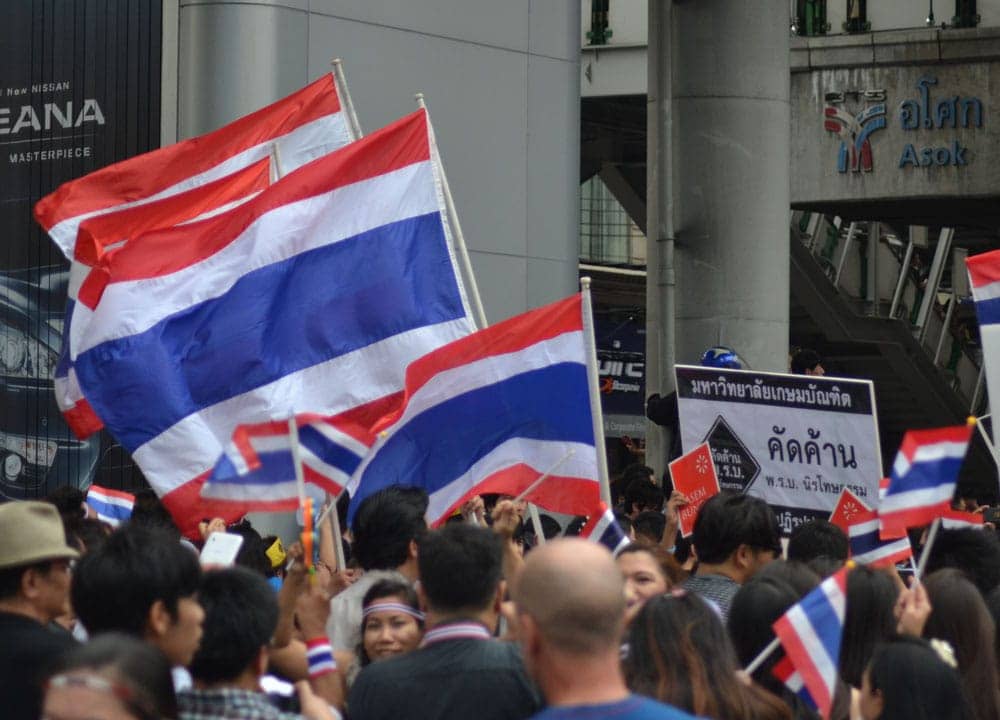

A New Era for Political Reconciliation Begins
BANGKOK — Thailand’s Peaceful Society Promotion Act, widely referred to as the "amnesty law," officially took effect on Monday, August 24, 2026. The enactment of this sweeping legislation marks a formal and significant step in addressing the deep political divisions that have long characterized the country's modern history. By clearing the names of thousands of citizens, the law aims to foster a renewed sense of national unity and move past the lingering shadows of past conflicts.
The legislation specifically targets individuals who have been convicted, prosecuted, or charged with political offenses over a turbulent 20-year period. This extensive timeframe underscores the profound and prolonged nature of the political unrest the nation has experienced. By nullifying these legal records and removing the stigma associated with such charges, the government seeks to promote genuine national reconciliation and alleviate the enduring impacts of political strife on the private lives and civic participation of its citizens. The law’s broad scope is intended to offer a comprehensive path to healing for those caught in the political maelstrom.
The Legislative Journey to Promulgation
The path to the law’s enactment involved specific and constitutionally mandated procedural steps, meticulously completed in mid-August 2026. The finalization process began with the highest authority in the land, as His Majesty the King formally signed the Act on August 18, 2026. This royal assent is a critical constitutional requirement, signifying the ultimate approval of the nation's sovereign and bestowing the legislation with supreme legal authority.
Following the royal signature, Prime Minister Anutin Charnvirakul countersigned the document. This executive endorsement is a crucial step that signifies the government's full backing and commitment to implementing the law. The countersignature by the prime minister finalized the legislative process, paving the way for the Act to be officially published in the Royal Gazette. This publication occurred over the weekend immediately preceding its effective date, serving as the final administrative requirement and public notification that the law was officially operative as of August 24.
Establishing Legal Force and Public Awareness
The publication in the Royal Gazette is more than a mere formality; it is the definitive act that transforms a signed bill into enforceable law. It ensures that the legislation is officially recorded and made accessible to all citizens, establishing its legal force across the nation. This procedural transparency is vital for public awareness and for ensuring that all stakeholders, from legal professionals to affected individuals, are informed of the new legal framework and its implications.
Defining the Scope of Legal Clearance
The scope of the Peaceful Society Promotion Act is precisely defined by its temporal and categorical boundaries, ensuring clarity on who benefits and for what types of offenses. The legislation applies exclusively to offenses classified as political in nature, distinguishing them from common criminal acts. This crucial distinction ensures that the amnesty is focused solely on resolving issues stemming from political disagreements and conflicts, rather than undermining the broader justice system.
The temporal boundary of the Act is equally significant, covering a comprehensive period of the last two decades. This timeframe encompasses a period widely described in reports as turbulent, marked by significant political shifts, protests, and governmental changes in Thai politics. By addressing this extensive historical window, the law aims to provide relief to a large number of individuals whose lives were impacted by these prolonged periods of instability.
Broad Reach of the Amnesty Provisions
Individuals covered by the act include those who have faced conviction, prosecution, or formal charges related to political offenses. This broad inclusion ensures that the amnesty extends to various stages of the legal process, from those merely accused to those who have already served sentences. The legislation does not distinguish between different levels of involvement or the specific nature of the political offense, instead providing a blanket clearance for all individuals meeting the criteria of having been charged or convicted for political offenses during the specified 20-year window.
This comprehensive approach is central to the law's objective of promoting national reconciliation. By offering a clean slate regardless of the specific legal outcome or stage, the Act seeks to remove the legal and social barriers that have prevented many from fully reintegrating into society and participating in civic life. The intention is to foster an environment where past political affiliations or actions no longer serve as impediments to a peaceful and productive future for all Thai citizens.