


Subpoenas Issued in Connection With Aircraft Security Reporting
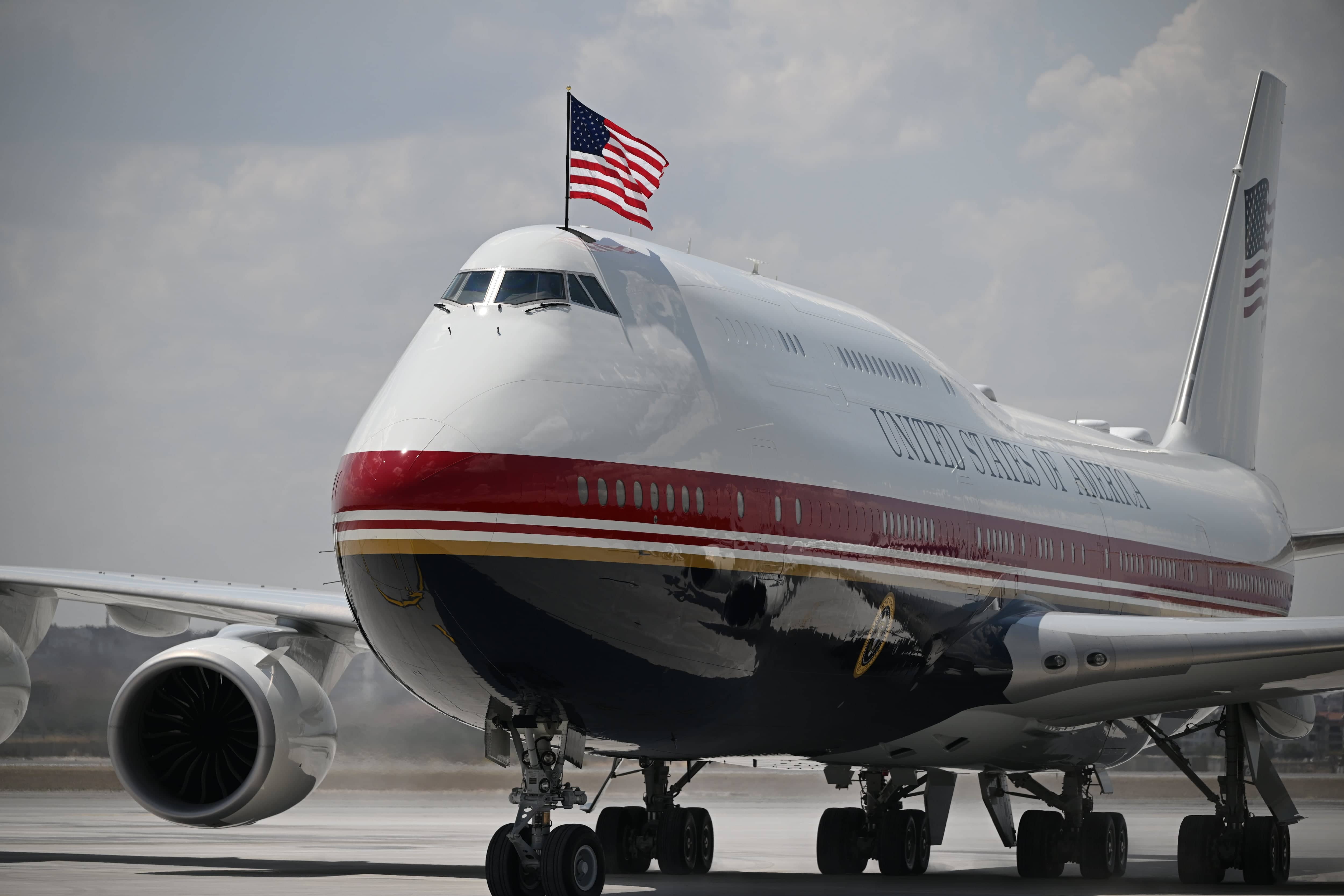
The Trump administration has issued subpoenas to several reporters from The New York Times, according to reports. The legal documents are related to the newspaper’s coverage of security concerns regarding the new Air Force One aircraft. The move marks a direct administrative challenge to the publication’s investigative work on matters involving presidential transportation and safety protocols.
Multiple journalists at the newspaper were targeted by the subpoenas. The administration sought information from these reporters in relation to their reporting on the subject. The focus of the inquiry was specifically tied to stories that highlighted security issues within the new fleet of planes designated for presidential use.
Details of the Security Concerns and Reporting
The subpoenas stem from reporting that addressed specific security concerns with the new Air Force One. The New York Times had published accounts detailing these vulnerabilities or potential risks associated with the aircraft. The administration’s decision to issue subpoenas indicates a desire to scrutinize the sources or methods used in compiling those reports.
Reporting on Air Force One often involves access to sensitive government operations and classified information. By issuing subpoenas, the Trump administration is attempting to compel testimony or document production from the journalists involved. This action underscores the tension between government transparency and national security protocols when covering high-level executive branch activities.
Scope of the Administrative Action
The administrative action was taken by the Trump administration. It targeted multiple reporters rather than a single individual, suggesting a broad effort to identify all contributors to the specific coverage in question. The subpoenas are legally binding orders requiring the recipients to comply with the request for information or face legal penalties for non-compliance.
The New York Times has been the subject of this administrative pressure. The publication’s reporting on the new Air Force One has drawn direct attention from the executive branch. The situation highlights the ongoing legal and ethical debates surrounding press freedom, government secrecy, and the role of journalism in holding public officials accountable.
Implications for Press Freedom and Government Transparency
The issuance of subpoenas to journalists is a significant development in the relationship between the press and the government. It raises questions about the protection of journalistic sources and the extent to which the government can investigate media outlets for their reporting practices.
Reporters who have been issued subpoenas must now determine how to respond to the legal demands. They may choose to comply with the orders, challenge them in court, or seek legal counsel to protect their rights and the confidentiality of their sources. The outcome of this situation could set a precedent for future interactions between the media and the executive branch.
The Trump administration’s actions are part of a broader context of government oversight and control over information flow. By targeting reporters who covered security concerns, the administration is signaling its stance on how such topics should be handled and who has the authority to define them.
Response from the New York Times
The New York Times has not publicly detailed its specific legal strategy in response to the subpoenas at this time. However, the publication is known for defending its journalistic integrity and protecting its sources. The newspaper’s editorial stance typically emphasizes the importance of independent reporting on matters of public interest.
Legal experts may weigh in on the validity and scope of the subpoenas as the situation develops. The case could involve complex legal arguments regarding executive privilege, national security exemptions, and the First Amendment rights of the press.
Historical Context of Government-Journalist Conflicts
Conflicts between the government and the media over access to information are not new. Past administrations have also issued subpoenas or taken other legal measures against journalists who reported on sensitive topics. However, each case is evaluated based on its specific facts and legal circumstances.
The current situation involving the New York Times and the Trump administration will be closely watched by press freedom advocates and legal scholars. The resolution of this dispute could influence how future administrations approach media coverage of national security issues.
Reporters involved in the Air Force One coverage have a responsibility to navigate the legal challenges while maintaining their commitment to factual reporting. The subpoenas serve as a test of the resilience of journalistic practices in the face of administrative pressure.
Next Steps in the Legal Process
The next steps will involve legal proceedings to determine the compliance requirements and any potential defenses available to the reporters. Court hearings may be scheduled to address disputes over the relevance of the requested information to national security concerns.
The outcome of these legal battles will depend on judicial interpretations of press freedom laws and government authority. The case could also prompt legislative discussions about reforming laws that govern interactions between the media and the executive branch.
For now, the New York Times reporters remain subject to the subpoenas. The administration has made its position clear by issuing the legal documents, and the journalists must respond accordingly within the framework of the law.