


Trump’s Response to Cornell Allegations
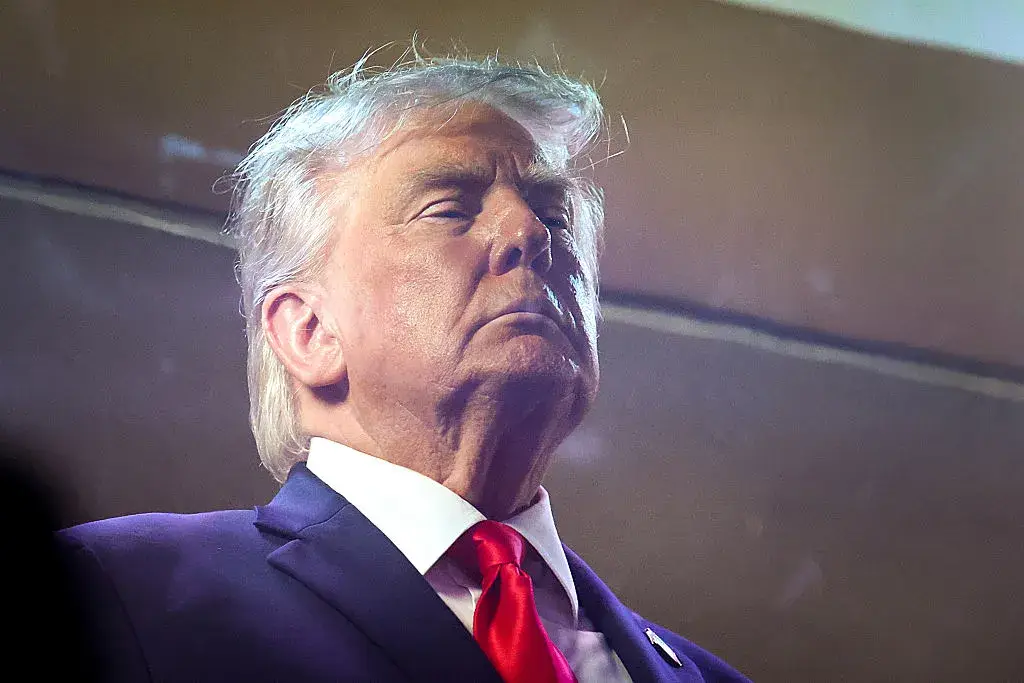
President Donald Trump has expressed sympathy for seven men accused of rape at Cornell University, stating that he feels badly for the individuals involved. The comments were made during an interview with Fox News’ Peter Doocy, marking the president’s public reaction to allegations involving students at the Ivy League school.
The allegations stem from a woman’s claim that she was drugged and raped by members of a Cornell fraternity in 2024. In response to these claims, an investigation into the incident has been reopened. New York State Attorney General Letitia James has been appointed as the special prosecutor handling the case.
During his remarks to Fox News, Trump did not address the victim’s allegations directly. Instead, he focused his criticism on the legal proceedings and the official overseeing them. Trump told Doocy that James is “corrupt” and asserted that the individuals she investigates “won’t get a fair shake.”
The president’s expression of concern for the accused men comes despite his own legal history regarding sexual misconduct. A civil court previously found Trump liable for sexually abusing writer E. Jean Carroll. Additionally, a federal judge clarified that the jury’s finding in that case described conduct amounting to rape.
Historical Precedents and Legal Actions
Trump’s immediate alignment with men accused of sexual assault is consistent with his past public statements and legal actions regarding similar cases. In previous instances involving high-profile accusations, Trump has publicly defended the accused men while criticizing their accusers or the legal systems involved.
During the confirmation process for Supreme Court nominee Brett Kavanaugh, Christine Blasey Ford accused him of sexual assault. Following these allegations, Trump declared Kavanaugh “innocent.” This stance occurred despite the serious nature of the accusations made against the nominee at the time.
Trump’s approach to sexual assault accusations has also included aggressive legal and public campaigns against those he perceives as falsely accused or unfairly treated by the justice system. In a notable past instance, Trump took out full-page newspaper ads demanding the execution of the Central Park Five.
The Central Park Five were five Black and Latino teenagers who were falsely accused of raping a white woman in Central Park. They were eventually exonerated, but Trump maintained his position through the ads even after their innocence was established. This historical action highlights a pattern in Trump’s public responses to sexual assault allegations involving young men.
The current situation at Cornell University has reignited discussions about consent, alcohol and drug use, and the treatment of accused individuals versus victims. The reopening of the investigation by Attorney General James places the case under state-level scrutiny rather than relying solely on university or local police proceedings.
Trump’s characterization of James as corrupt suggests a broader political conflict between the White House and New York state officials. His assertion that those investigated by James will not receive fair treatment frames the Cornell case within a larger narrative of perceived political persecution, rather than addressing the specific facts of the alleged crime at the university.
As the special prosecutor’s investigation proceeds, the focus remains on the evidence gathered regarding the 2024 incident. The president’s comments have drawn attention to his consistent tendency to prioritize the rights and welfare of men accused of sexual misconduct, regardless of the context or the severity of the allegations.