


Political Rhetoric Targets Domestic Opponents
President Donald Trump has publicly labeled members of the Democratic Party as "communists," intensifying political rhetoric during a period of heightened partisan tension. The comments were made in the context of upcoming midterm elections, where Trump has sought to frame the political landscape through the lens of ideological conflict.
The characterization of Democrats as communists represents a significant escalation in verbal attacks from the White House. According to reports, these assertions are part of a broader strategy to discredit political opponents by associating them with ideologies traditionally opposed to American capitalist principles. The President's administration has not provided detailed policy justifications for this specific labeling, focusing instead on the political implications of the term.
Political analysts note that such rhetoric is designed to mobilize the president's base by creating a stark contrast between Republican governance and Democratic platforms. However, the use of the term "communist" has drawn scrutiny given the current foreign policy direction of the administration, which involves active engagement with nations governed by communist parties.
Diplomatic Engagement With China
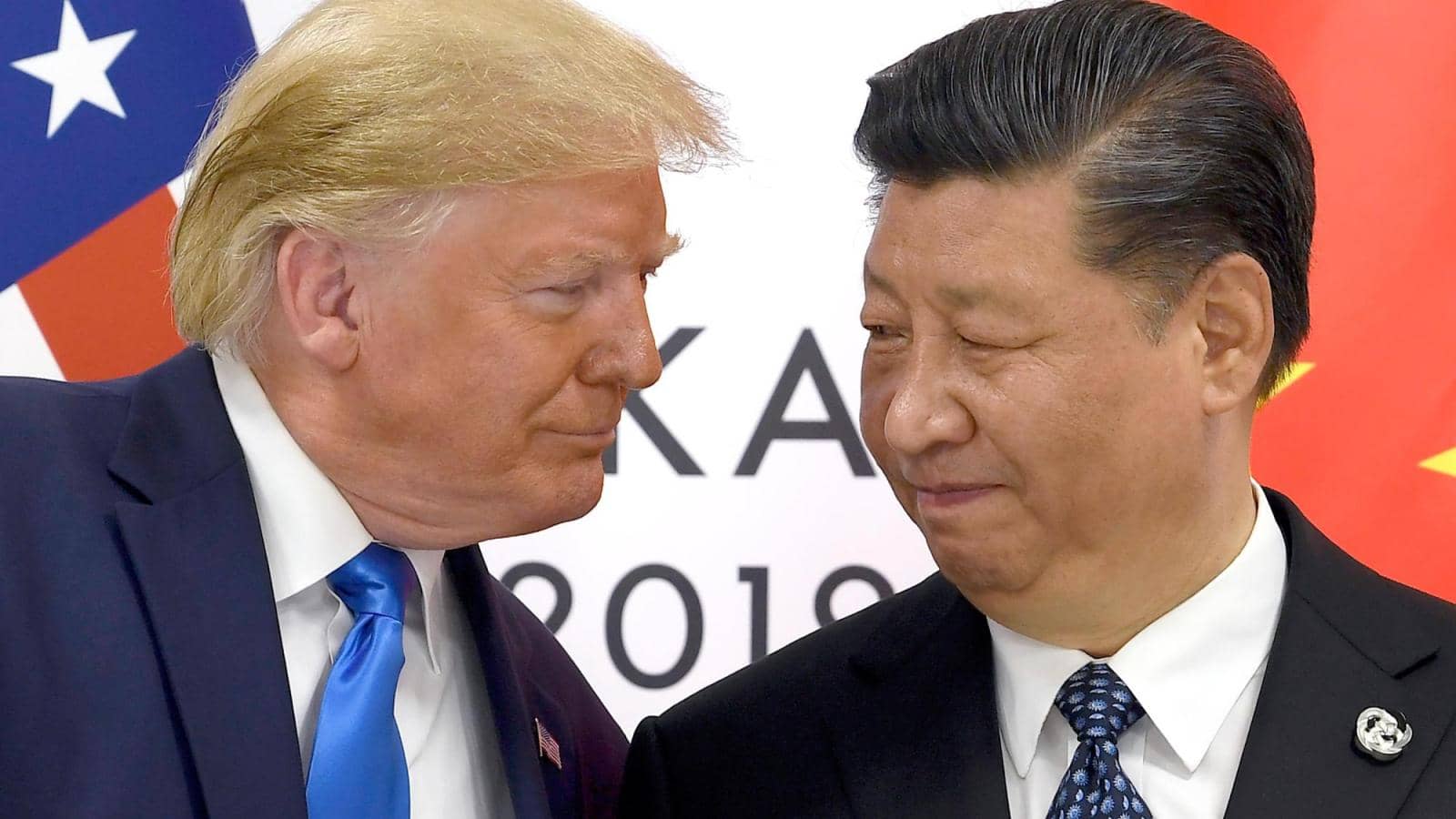
While directing harsh criticism toward domestic political rivals, President Trump has simultaneously sought to impress Chinese President Xi Jinping, the leader of the Communist Party of China. This diplomatic effort highlights a complex dynamic in U.S. foreign policy, where economic and strategic cooperation with Beijing continues despite ideological differences.
The administration's approach involves hosting Chinese leadership and engaging in high-level discussions aimed at strengthening bilateral relations. Reports indicate that Trump is actively looking to build rapport with Xi Jinping, viewing the relationship as crucial for global stability and trade negotiations. This focus on courting a communist leader stands in direct contrast to the president's domestic political attacks on Democrats using similar ideological terminology.
The juxtaposition of these actions has been noted by observers who point out the apparent contradiction in labeling opponents as communists while engaging closely with a functioning communist state. The White House has maintained that its foreign policy decisions are based on national interest and economic pragmatism rather than ideological alignment.
Economic Policy Criticisms
The political controversy surrounding Trump's rhetoric is further complicated by criticisms of his own economic policies. Some critics and political commentators have characterized the administration's economic approach as "corporate socialism." This term is used to describe policies that are perceived as favoring large corporations through government intervention, subsidies, or bailouts, akin to socialist mechanisms but benefiting private enterprise rather than public ownership.
These criticisms suggest that the administration's economic strategy involves significant government involvement in the market, which some argue undermines free-market principles. The label "corporate socialism" has been applied by detractors who contend that Trump's policies protect specific industries and wealthy entities through state support, mirroring the very type of government intervention he accuses Democrats of promoting on a broader scale.
Supporters of the administration argue that these economic measures are necessary to stabilize markets and promote growth. They maintain that the term "corporate socialism" is a mischaracterization intended to discredit pro-business policies. The debate over the nature of these economic interventions remains a central point of contention in political discourse.
Implications for Political Discourse
The combination of anti-communist rhetoric, diplomatic engagement with communist China, and accusations of corporate socialism creates a multifaceted political narrative. Trump's labeling of Democrats as communists serves to polarize the electorate, while his efforts to win over Xi Jinping reflect a pragmatic approach to international relations.
Meanwhile, the criticism of his economic policies as corporate socialism adds another layer to the debate on the role of government in the economy. This triad of issues—domestic ideological attacks, foreign policy engagement with communist states, and domestic economic policy critiques—defines the current political environment under Trump's presidency.
As the midterm elections approach, these themes are expected to remain central to campaign strategies. The contrast between Trump's verbal assaults on Democrats and his diplomatic outreach to China continues to be a subject of analysis and debate among political observers, journalists, and the public.