

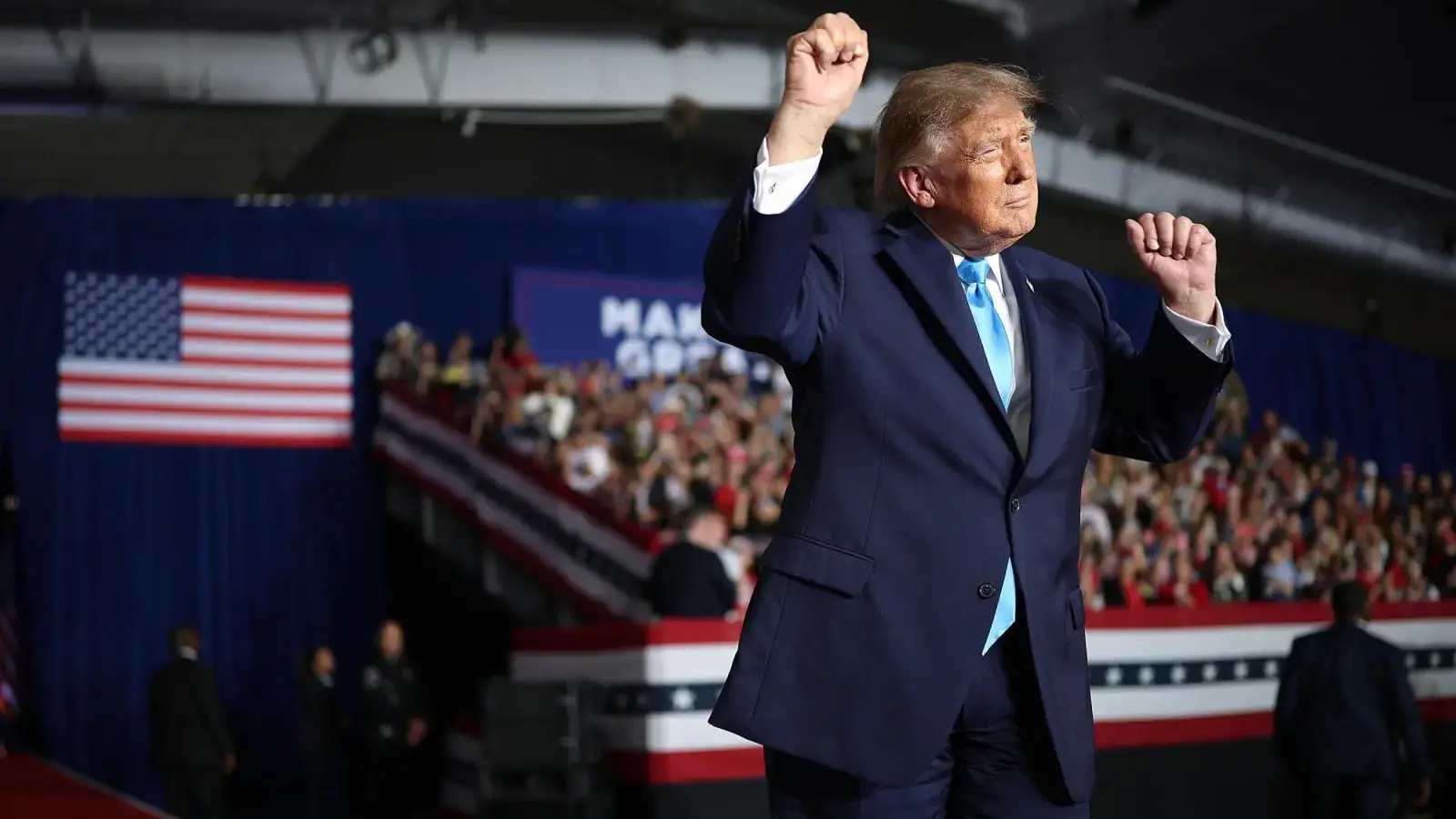

Trump’s Midterm Tour Marked by Vague Promises and Controversial Remarks
President Donald Trump’s campaign tour for the midterm elections has drawn sharp criticism from political opponents and media observers alike, characterized by what some reports describe as "sometimes extreme and often vague statements." As the President traveled across key battleground states to support Republican candidates, his rallies became focal points for both policy announcements and heated political backlash.
The tour included a stop in Grand Island, Nebraska, where Trump campaigned for Senator Pete Ricketts. During this event, the President made remarks regarding Iran that quickly ignited a firestorm of controversy. According to reports, Trump suggested that Iran could target Los Angeles and San Diego, adding, "This is a very small price to pay. And it’s going to be over very soon." The comments were interpreted by many as minimizing the potential threat to major American cities or implying that such an event might be acceptable in the broader context of geopolitical strategy.
Immediate Backlash from Democratic Leaders
The reaction from Democratic officials was swift and severe. House Democratic Whip Katherine M. Clark described Trump’s comments as "sickening" and urged every Republican candidate to denounce them publicly. Her statement reflected a broader sentiment among Democrats that the President’s rhetoric was not only inappropriate but potentially dangerous in its dismissal of national security threats.
Further amplifying the criticism, the California Democratic Congressional Delegation issued a joint statement calling on President Trump to apologize to the over 16 million Americans living in the Los Angeles and San Diego metropolitan areas. The delegation argued that such remarks undermined public confidence and showed a lack of empathy for residents who might feel directly threatened by his words.
House Homeland Security Committee ranking member Bennie Thompson also weighed in, stating that Trump’s comment showed he was "so deranged." Thompson claimed that Trump is "completely panicked about the midterm elections and his Iran War disaster," suggesting that the President’s erratic behavior was a symptom of political desperation rather than strategic communication.
Attempts to Clarify and Pivot
In response to the growing controversy, Trump initially waved off reporters' questions about his comments on Tuesday. However, by Wednesday night, he added a cleanup line, stating, "We’re not going to let that happen. We protect our cities." This statement was widely seen as an attempt to distance himself from the earlier remarks and reaffirm his commitment to national security.
Despite these efforts to clarify his position, the incident continued to dominate headlines and fuel debates about the tone and content of Trump’s campaign messaging. Critics argued that the President’s tendency toward vague and provocative statements undermined his credibility and alienated potential supporters.
Policy Announcements Amid Controversy
Amid the political fallout, Trump also used his rally appearances to announce significant policy initiatives. At a Baltimore defense manufacturing facility, he revealed a $6.6 billion investment in Navy submarine manufacturing. This announcement was part of his broader effort to highlight his administration’s achievements and appeal to voters concerned with national defense and economic growth.
During the same event, Trump praised OMB Director Russ Vought as "fantastic" and "one of the very important people in the history of our country." This endorsement was seen as a way to bolster confidence in his administration’s leadership and highlight key figures who have supported his agenda.
Implications for the Midterm Elections
The combination of controversial remarks and policy announcements has created a complex dynamic for Trump’s midterm campaign. While some supporters may view his unorthodox communication style as authentic and direct, others see it as a liability that could cost Republicans crucial votes.
As the election approaches, the President’s ability to navigate these challenges will likely depend on his capacity to balance bold policy announcements with more measured rhetoric. For now, the midterm tour remains a mix of high-stakes political maneuvering and unpredictable public statements, leaving voters and analysts alike to speculate about the ultimate impact on the upcoming elections.