


Escalation of Strikes on Russian Energy Infrastructure
Ukrainian drone attacks on Russian energy infrastructure intensified significantly in July, with multiple facilities targeted across vast distances from the border. The frequency and scope of these operations grew so rapidly that it necessitated a substantial change in how such events were analyzed. According to reporting by Liubov Tsybulska, director of Join Ukraine, and Andrii Sukharyna, the initial concept for tracking these strikes involved ranking the five most notable incidents each month. However, the sheer volume and strategic importance of these incidents quickly outstripped the initial framework, rendering a strict ranking format inadequate for capturing the evolving scale of the campaign.
The first major incident in this intensified period occurred on July 4, when drones struck the oil terminal in St. Petersburg and the port of Vysotsk on the Baltic Sea. This was followed by a significant attack on July 6 on the Omsk oil refinery. The strike on Omsk was particularly notable for reaching Russia’s largest plant and targeting the last of the country's 11 biggest gasoline producers that had not previously been hit. This facility is located approximately 2,500 kilometers, or about 1,553 miles, from the Ukrainian border, underscoring the expanding operational reach of Ukrainian drone capabilities.
Subsequent attacks continued to target key energy assets. On the night of July 8, the Saratov oil refinery was reported to have shut down, indicating immediate operational disruption. Between July 11 and 12, Ukrainian drones set the Syzran oil refinery ablaze. Satellite imagery confirmed the severity of the incident, indicating that the fire engulfed the AVT-5 unit at the facility, a critical processing component.
The Normalization of Deep Strikes
Liubov Tsybulska observed that strikes on oil infrastructure have become routine for Russians, with the "bar" for what constitutes a significant attack shifting quickly. This normalization reflects the growing frequency and impact of these operations. The expansion of targets beyond immediate border regions demonstrates the increasing reach of Ukrainian drone capabilities, bringing the war's impact deep into Russian territory and challenging the perception of security within the country's industrial heartland.
Strategic Pressure on Russia's Fuel Supply
The consistent targeting of Russian oil refineries and terminals represents a deliberate strategy to degrade Russia's capacity to produce and distribute refined petroleum products. These facilities are vital nodes in Russia's extensive energy infrastructure, critical for both domestic consumption and, significantly, for military logistics. Disruptions to gasoline and other fuel production directly impact the ability of the Russian military to sustain its operations, transport troops and equipment, and maintain its supply lines.
The attacks on major gasoline producers, such as the Omsk oil refinery, highlight a systematic effort to impact Russia's energy supply chain. By striking facilities thousands of kilometers from the front lines, Ukraine demonstrates its ability to impose economic costs and operational challenges on Russia, aiming to reduce its capacity to wage war and to bring the tangible effects of the conflict closer to the Russian populace.
Attacks Extend to Retail and Logistics Networks
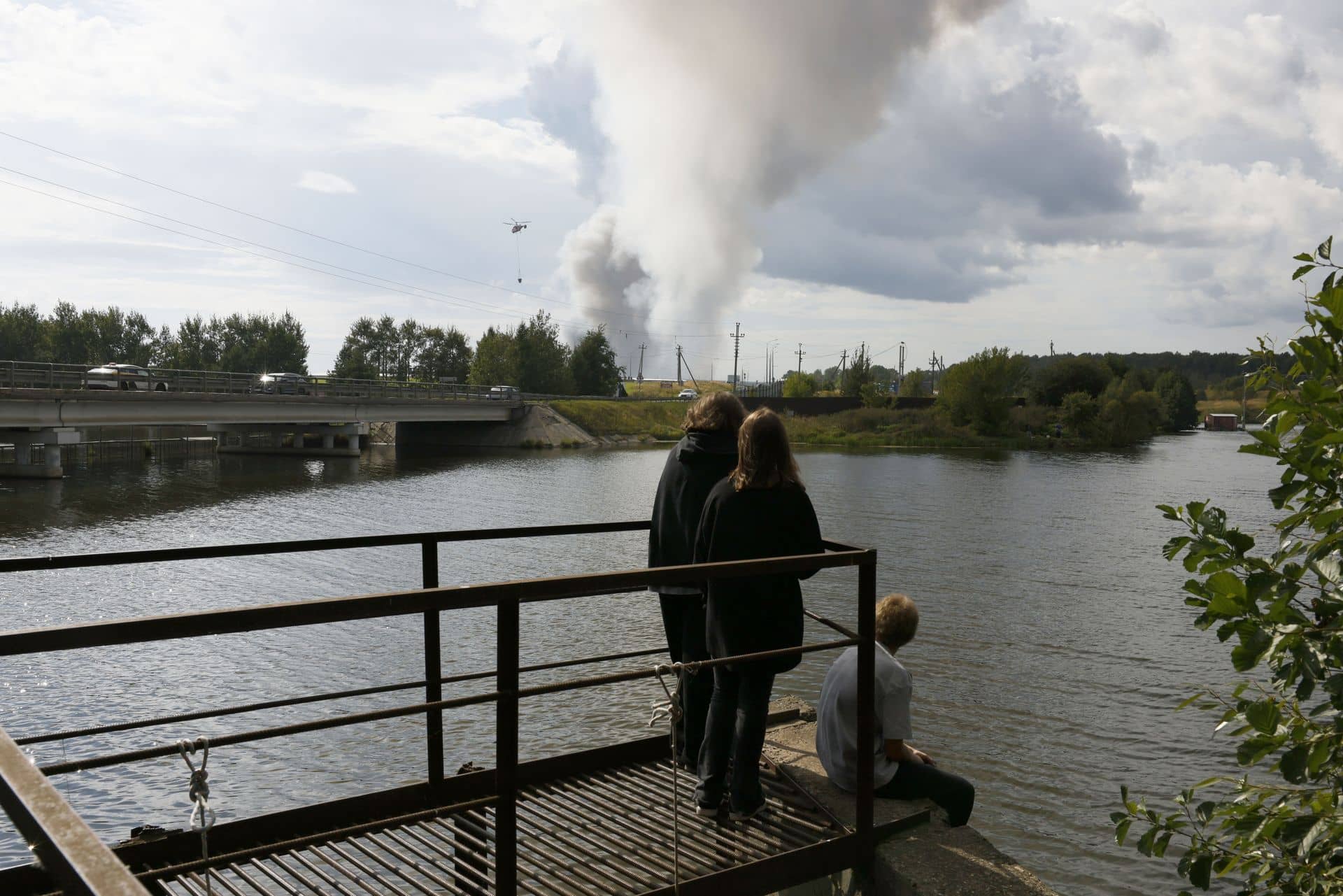
Beyond energy infrastructure, Ukrainian strikes have demonstrably targeted other critical sectors within Russia, including the logistics network of major retailers. A notable incident involved a distribution warehouse belonging to Wildberries, one of Russia's largest online retailers. Black smoke was observed rising from the facility following a Ukrainian drone attack near Moscow on August 16, 2026. This incident marked a significant expansion in the scope of Ukrainian drone operations, impacting civilian-facing economic infrastructure.
The article highlights that this focus on retail and logistics represents a new dimension in the conflict, bringing the war's impact more directly to the Russian home front. The targeting of such facilities suggests an expansion of military objectives beyond purely energy-related assets, aiming to disrupt everyday commerce and consumer goods distribution, thereby broadening the psychological and economic pressure on the populace.
Shifting Focus of Military Operations
The inclusion of Wildberries in the list of targets marks a departure from previous monthly reports, which focused primarily on energy infrastructure. Tsybulska stated that the main story of the month was entirely absent from earlier pieces in the series, indicating a strategic shift in how Ukrainian forces are conducting operations deep inside Russia. This evolution suggests an intent to inflict widespread disruption beyond military-specific targets, encompassing broader economic and logistical systems.
The attacks on both oil refineries and retail distribution centers collectively illustrate the broadening scope of Ukrainian military actions. By targeting facilities located thousands of kilometers from the front lines, Ukraine has demonstrated its ability to disrupt Russian economic and logistical operations across the country, signaling a sustained campaign to impose costs on Russia through diverse means.