


Kyiv Intensifies Energy Infrastructure Strikes
Ukrainian forces have successfully targeted and ignited another major oil refinery in southern Russia using drones, according to reports published on June 29, 2026. The facility struck is identified as one of the significant processing centers in the region, boasting an annual crude oil capacity of nearly 4 million tons, as listed on the operator's website. The attack resulted in a substantial fire, further highlighting the vulnerability of Russia's domestic energy production capabilities to remote drone warfare.
This incident marks a continuation of Ukraine's intensified long-range drone assault on Russian energy infrastructure, a campaign that has escalated significantly in recent months. The attacks are part of a broader strategic effort aimed at disrupting military industries and energy facilities across Russia. Ukrainian officials state that these operations are designed to cut Moscow's revenue streams supporting its invasion, which has now entered its fifth year.
The latest strike follows a pattern of escalating aerial attacks on Russian territory, extending deep into the country. By targeting key industrial sites, Kyiv aims to impose tangible economic consequences and impact the daily lives of Russian citizens, thereby increasing domestic pressure on the Kremlin.
Strategic Importance of Refinery Targets
The selection of oil refineries as primary targets underscores their critical role in sustaining Russia's war machine. Facilities like the one struck, with its considerable processing capacity of 4 million tons of crude oil annually, are not merely sources of civilian fuel. They produce vital petroleum products essential for military logistics, including fuel for tanks, aircraft, and naval vessels, as well as raw materials for various industrial sectors supporting the war effort. Disrupting these facilities directly impedes Moscow's ability to fuel its military operations and maintain its industrial output.
The intensified campaign of long-range drone strikes in recent months demonstrates a deliberate and sustained effort by Ukraine to systematically degrade Russia's energy infrastructure. This sustained pressure aims to create systemic disruptions rather than isolated incidents, amplifying the cumulative economic and logistical strain on Russia.
Kremlin Acknowledges Fuel Deficit Amid Disruptions
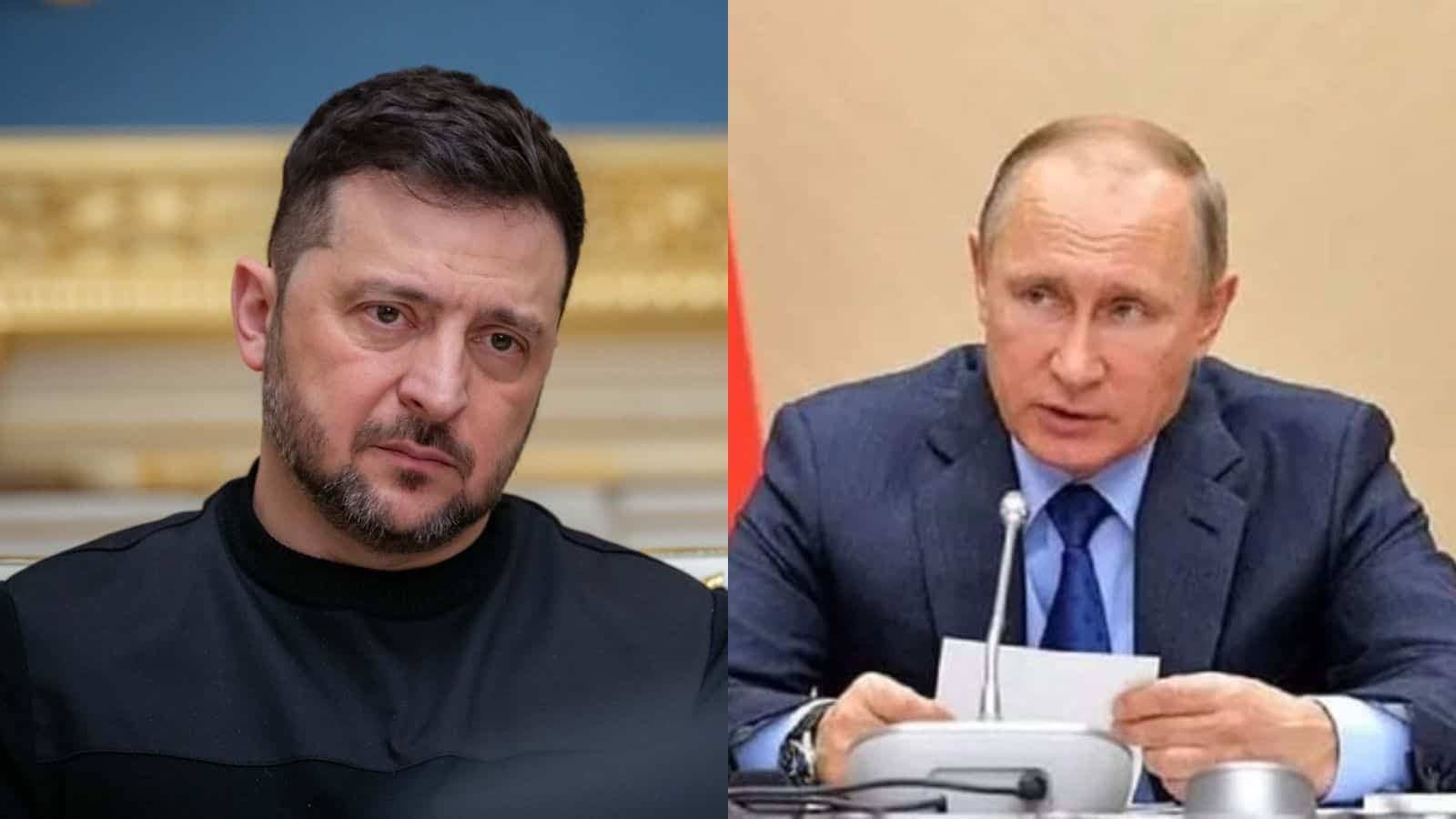
In response to the growing crisis, Russian President Vladimir Putin acknowledged for the first time on Sunday that the country is facing a "certain deficit" in fuel supplies. This admission marks a significant rhetorical shift from previous official statements that had consistently downplayed or outright denied any widespread supply issues within the country's energy sector. The acknowledgment signals the increasing severity and undeniable impact of the drone campaign on Russia's domestic market.
Following this rare admission, Putin vowed to strengthen the protection of oil facilities and boost fuel output to counter the ongoing drone assaults. The Russian leader's comments came as authorities in various regions across Russia have already begun implementing fuel rationing measures due to widespread shortages, indicating that the problem is not isolated but affects multiple areas.
The acknowledged deficit has coincided with visible disruptions in the domestic market. Reports indicate that the sustained drone campaign has choked Russian fuel supplies, resulting in long queues at gas stations and significant supply constraints in multiple areas. These logistical challenges have forced regional authorities to introduce rationing protocols to manage demand and ensure some level of distribution.
Domestic Consequences of Sustained Attacks
The direct impact of these attacks on Russia's domestic fuel supply has translated into tangible hardships for its citizens. Fuel shortages have led to considerable inconvenience, with reports of long queues at gas stations becoming increasingly common. Furthermore, the implementation of fuel rationing in various Russian regions signifies a direct intervention by authorities to manage dwindling supplies, a measure typically reserved for times of severe scarcity.
President Putin's pledge to enhance protection and increase production directly links the domestic fuel deficit to the ongoing Ukrainian drone attacks. This public acknowledgment underscores the effectiveness of Kyiv's strategy in creating real economic pressure and disruption within Russia, compelling the Kremlin to address the issue publicly and commit resources to mitigate its effects.
Ukraine's Dual Strategy: Undermining War and Seeking Peace
Ukrainian President Volodymyr Zelenskyy addressed the impact of these strikes on Telegram, stating that long-range sanctions had reached two oil refineries in Russia. Zelenskyy emphasized that each strike results in a reduction of resources fueling the Russian war machine and represents another step toward achieving peace. This statement articulates a dual objective behind the attacks: to directly weaken Russia's military capabilities and to create conditions conducive to ending the conflict.
Ukrainian officials consistently maintain that the primary objective of targeting energy infrastructure is to diminish the resources available for military operations. By disrupting the flow of fuel and revenue, Kyiv seeks to reduce Moscow's capacity to fund its invasion while simultaneously making the consequences of the war felt by the Russian populace, thereby increasing internal pressure for a resolution.
Western analysts have noted the effectiveness of these attacks in disrupting supply chains and creating economic strain. The sustained pressure on refineries has contributed significantly to the fuel shortages that have prompted the Russian government's admission of a deficit and subsequent calls for increased production and protection measures, validating the strategic intent behind Ukraine's campaign.
Economic Pressure as a Path to Resolution
The strategy employed by Ukraine aims to leverage economic pressure as a means to influence the course of the conflict. By targeting critical energy infrastructure, Kyiv seeks to not only degrade Russia's immediate military capabilities but also to impose a broader economic cost that impacts the daily lives of Russian citizens. This approach is intended to foster public discontent and increase the domestic burden of the war, potentially influencing the Kremlin's calculus regarding its ongoing invasion.
The reduction of resources available for military operations, as stated by President Zelenskyy, directly correlates with Russia's ability to sustain its offensive. Every successful strike on an oil refinery diminishes the financial and logistical capacity that Moscow can dedicate to its war effort, thereby contributing to Ukraine's broader goal of restoring peace through strategic attrition.