

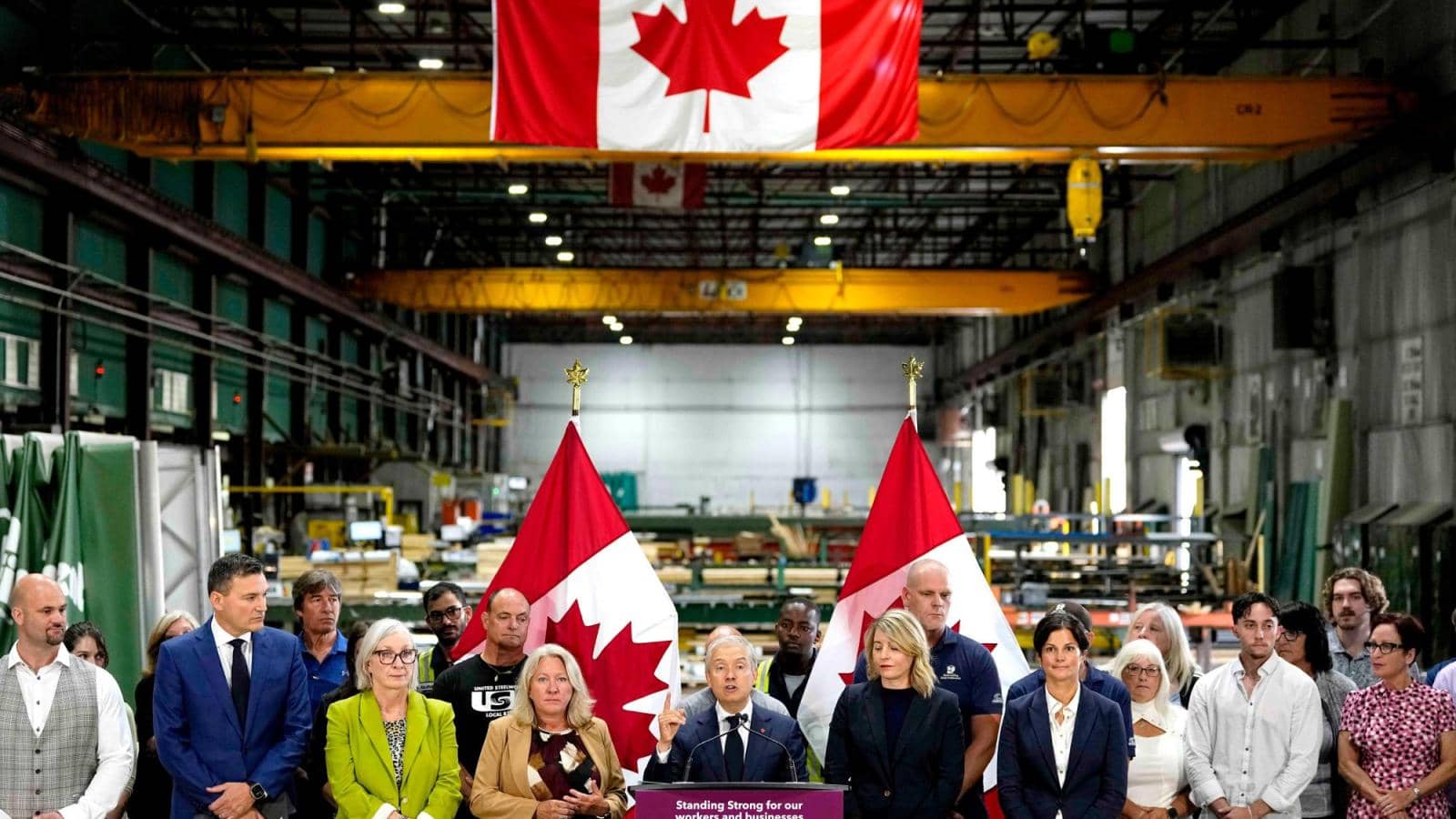

Uncertainty Surrounding Bilateral De-Escalation
The possibility of the United States and Canada stepping back from a potential all-out trade war remains an open question, with analysts indicating that neither side has definitively committed to de-escalation. According to reports published on Wednesday, August 26, 2026, by the Redlands Daily Facts, the outcome of these high-stakes negotiations is not yet clear. The two neighboring economies share one of the largest trading relationships in the world, making any escalation a matter of significant international economic concern.
While the threat of tariffs and retaliatory measures has loomed over diplomatic channels, there is no confirmed timeline for when either government might formally announce a withdrawal from hostile trade policies. The uncertainty stems from the complex nature of bilateral relations, where political pressures in both Washington and Ottawa often complicate straightforward economic diplomacy.
Historical Patterns in Trade Negotiations
Christopher Sands, an expert on North American trade dynamics, noted that discussions between the United States and Canada regarding trade issues are typically contentious. This characterization suggests that friction is a standard feature of these negotiations rather than an anomaly. Sands' observation implies that the current tension may be part of a recurring pattern in US-Canada diplomatic history, where tough talk precedes eventual agreements or temporary stalemates.
The nature of these trade talks often involves deep scrutiny of agricultural exports, automotive supply chains, and energy resources. Both nations have historically used leverage in these discussions to protect domestic industries, leading to periods of strained relations that require careful management by diplomatic teams on both sides.
Implications for Economic Stability
The potential for an all-out trade war introduces volatility into markets that rely heavily on cross-border commerce. Businesses operating in sectors such as manufacturing, agriculture, and retail have long adapted to the integrated nature of the US-Canadian economy. Any shift toward protectionist policies would require rapid adjustments to supply chains and pricing structures.
Observers note that the decision to de-escalate or escalate depends largely on political calculations within both capitals. While economic data may suggest the costs of conflict are high, political factors often drive the initial rhetoric. The lack of clarity regarding whether either nation will back down highlights the delicate balance between domestic political demands and international economic obligations.
Current Status of Diplomatic Channels
As of late August 2026, diplomatic efforts continue behind closed doors. The Redlands Daily Facts report emphasizes that while a pullback from conflict is possible, it is not guaranteed. This distinction is crucial for investors and policymakers who are monitoring the situation for signs of resolution.
The absence of a definitive de-escalation does not necessarily indicate an intent to pursue aggressive trade measures indefinitely. Instead, it may reflect ongoing negotiations where both parties are testing boundaries before committing to a final stance. The typical contentiousness of these talks, as highlighted by Sands, suggests that progress may be slow and fraught with public disagreements even as private channels work toward compromise.
Market participants remain vigilant for any official statements from trade representatives in either country. Until such announcements are made, the status quo of uncertainty persists, leaving businesses and consumers to navigate a landscape where the rules of engagement could change at any moment.