


Religious Freedom Body Advocates for Restrictions
A United States government advisory commission focused on global religious liberty has formally advocated for the imposition of sanctions against the Rashtriya Swayamsevak Sangh (RSS). The recommendation comes from officials within the US Commission on International Religious Freedom (USCIRF), who are urging the State Department to take action against the Hindu nationalist organization. This push for restrictive measures is part of a broader review conducted by the commission regarding religious freedom conditions in India.
The USCIRF, an independent, bipartisan federal government commission established by the US Congress, released its annual report detailing concerns about religious minorities worldwide. In this specific assessment, the body identified the RSS as a group that has contributed to anti-minority violence and hate speech within India. The commission's stance reflects ongoing scrutiny of the organization's activities and its ideological influence on the political landscape in New Delhi.
According to the commission's findings, the RSS has been linked to incidents of violence targeting religious minorities. Officials from USCIRF stated that the organization's rhetoric and actions have fostered an environment hostile to non-Hindu communities. The call for sanctions is intended to signal US disapproval of what the commission describes as systemic discrimination and persecution under the current Indian government, which is aligned with the RSS's ideological framework.
Timing Coincides With Leader's Planned Travel
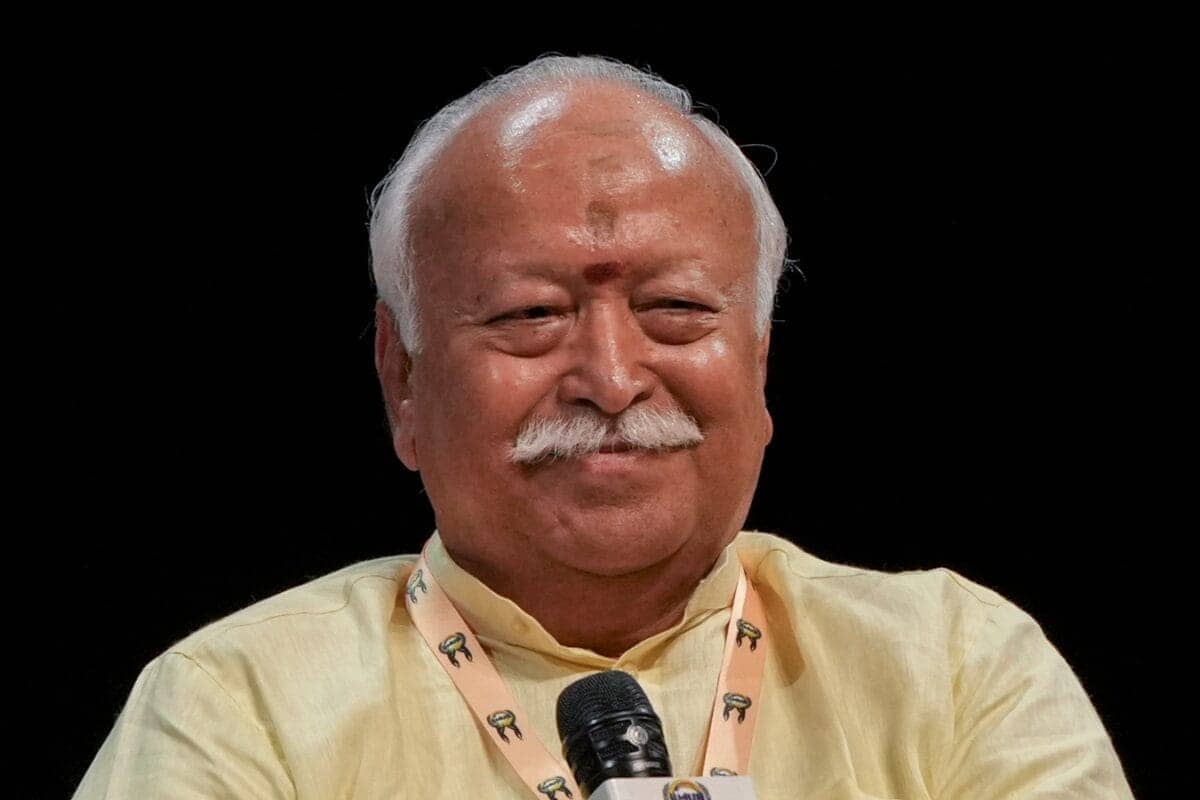
The timing of the USCIRF's recommendations coincides with a scheduled international appearance by Mohan Bhagwat, the supreme leader of the Rashtriya Swayamsevak Sangh. Bhagwat is set to travel to New York on August 29 for an event organized under the banner of the ‘Universal Oneness Celebrations’. The upcoming visit has drawn attention from human rights advocates and religious freedom monitors who view the sanctions push as a direct response to this diplomatic engagement.
USCIRF officials highlighted the juxtaposition of the proposed sanctions with Bhagwat's planned itinerary. The commission noted that while the RSS leader prepares for public engagements in the United States, the advisory body is urging federal authorities to consider visa restrictions and other penalties. This has sparked debate regarding the intersection of religious freedom advocacy and diplomatic protocol.
The ‘Universal Oneness Celebrations’ event is described as a gathering aimed at promoting global unity. However, critics pointed out by USCIRF argue that hosting leaders of organizations accused of fostering intolerance undermines the stated goals of such events. The commission's report explicitly links the RSS to the rise of hate crimes in India, suggesting that allowing its leadership unimpeded access to US soil may contradict American values on religious liberty.
Details of the Sanctions Proposal
The specific measures proposed by USCIRF include designating the RSS as a group of particular concern. This designation would trigger legal provisions under international religious freedom laws, potentially leading to secondary sanctions against individuals and entities that support the organization. The commission argues that such steps are necessary to hold the RSS accountable for its role in inciting violence against minorities.
Officials within USCIRF have emphasized that the RSS operates as the ideological parent of the ruling Bharatiya Janata Party (BJP). They contend that the influence of the RSS extends beyond social organizations into state policy, affecting the treatment of Muslims, Christians, Dalits, and other minority groups. The call for sanctions is framed as a mechanism to pressure the Indian government to protect religious minorities and curb hate speech.
Implications for Diplomatic Relations
The advocacy for sanctions ahead of Bhagwat's August 29 visit raises questions about the diplomatic relationship between Washington and New Delhi. While the US government has not yet confirmed whether it will act on USCIRF's recommendations, the advisory body's stance adds pressure on federal agencies to review existing ties with the RSS. The State Department is responsible for implementing any sanctions based on the commission's advice.
Observers note that Bhagwat's trip to New York is part of a broader effort by the RSS to expand its international footprint. The organization has been seeking greater visibility and legitimacy in Western countries, particularly in the United States, where it aims to garner support for its political project in India. The USCIRF's intervention seeks to counter these efforts by highlighting alleged human rights violations.
As the August 29 date approaches, attention remains focused on whether US authorities will impose restrictions on Bhagwat or other RSS officials. The outcome of this decision could set a precedent for how the United States engages with Hindu nationalist groups abroad while maintaining its stance on religious freedom issues globally.