


Treasury Department Announces Proposed Rule Against Emirati Branches
The U.S. Treasury Department announced a proposed rule on Friday that would target the United Arab Emirates branches of Banque Misr, Egypt’s second-largest bank. According to reports from multiple outlets including the Canon City Daily Record and The News Herald, the measure aims to sever these specific branches' access to the U.S. financial system.
The proposal was detailed in news coverage published on August 28, 2026, with subsequent reporting appearing on August 29, 2026. The Treasury Department stated that the action is part of a broader effort to economically isolate Iran. By restricting the ability of Banque Misr’s UAE operations to utilize American financial channels, the administration seeks to limit financial pathways that could potentially support Iranian interests.
Reports indicate that the proposed rule specifically targets the Emirati branches of the bank. The move does not extend sanctions to Banque Misr as a whole entity within Egypt. This distinction means that while the international operations in the United Arab Emirates would face restrictions, the domestic banking activities of the Egyptian institution would remain unaffected by this specific regulatory proposal.
Strategic Implications for Regional Financial Networks
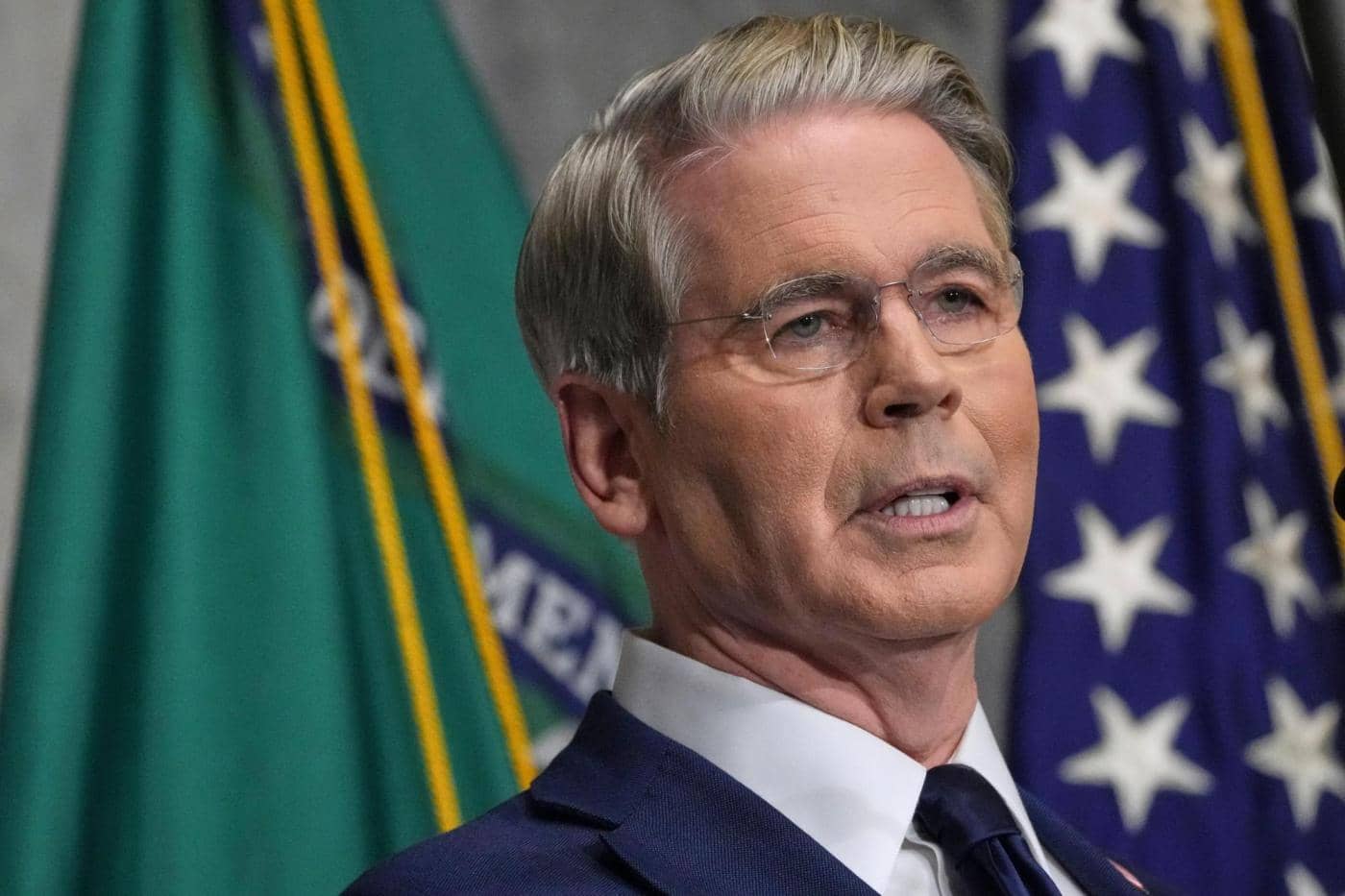
The decision to target Banque Misr’s overseas units reflects a continued strategy by the Trump administration to apply economic pressure on Iran through secondary sanctions and financial isolation tactics. Treasury Secretary Scott Bessent has been involved in recent administrative actions regarding this policy direction, as noted in coverage from The News Herald which referenced his appearance at a news conference on Monday, August 24, 2026.
The specific focus on UAE branches highlights the geographic significance of the United Arab Emirates in regional trade and finance. By cutting off access to the U.S. financial system for these particular branches, the Treasury Department intends to create barriers that complicate financial transactions involving Iranian entities or interests that might utilize Banque Misr’s international network.
News outlets such as the Boston Herald and the Boulder Daily Camera have reported on the announcement, characterizing the move as a "new push for Iran’s economic isolation." The reporting emphasizes that the rule is currently in the proposal stage, indicating that it has not yet been finalized or fully implemented. The proposed nature of the rule allows for public comment and regulatory review before any enforcement actions take effect.
Scope of the Financial Restrictions
The restrictions would apply exclusively to the branches located in the United Arab Emirates. Banque Misr, identified as Egypt’s second-largest bank, operates a significant international presence. The U.S. government’s decision to limit the scope of the sanctions to these specific overseas units suggests a targeted approach rather than a broad condemnation of the Egyptian banking sector.
By maintaining the status quo for the bank’s operations within Egypt, the administration avoids direct economic conflict with Cairo while still exerting pressure on Iran. This selective sanctioning strategy is designed to disrupt specific financial conduits without escalating tensions with Egypt, a key regional partner.
The announcement was made on a Friday, according to multiple sources including the Canon City Daily Record and The News Herald. The timing of the proposal aligns with ongoing administrative efforts to tighten economic sanctions on Iran. The U.S. Treasury Department has previously utilized similar mechanisms to restrict access to the dollar-based financial system for entities linked to Iranian state interests.
As the proposed rule moves through the regulatory process, it will determine the specific compliance requirements for Banque Misr’s UAE branches. If finalized, these institutions would be prohibited from conducting transactions that involve U.S. dollars or touch upon the American financial infrastructure. This effectively isolates those branches from a significant portion of global commerce, which relies heavily on U.S. banking systems for settlement and clearance.
The move underscores the United States' reliance on its financial dominance as a tool of foreign policy. By leveraging access to the dollar system, Washington can penalize foreign banks that facilitate trade with sanctioned nations, even when those banks are not American entities. This case demonstrates the extraterritorial reach of U.S. financial regulations and their impact on international banking relationships.