

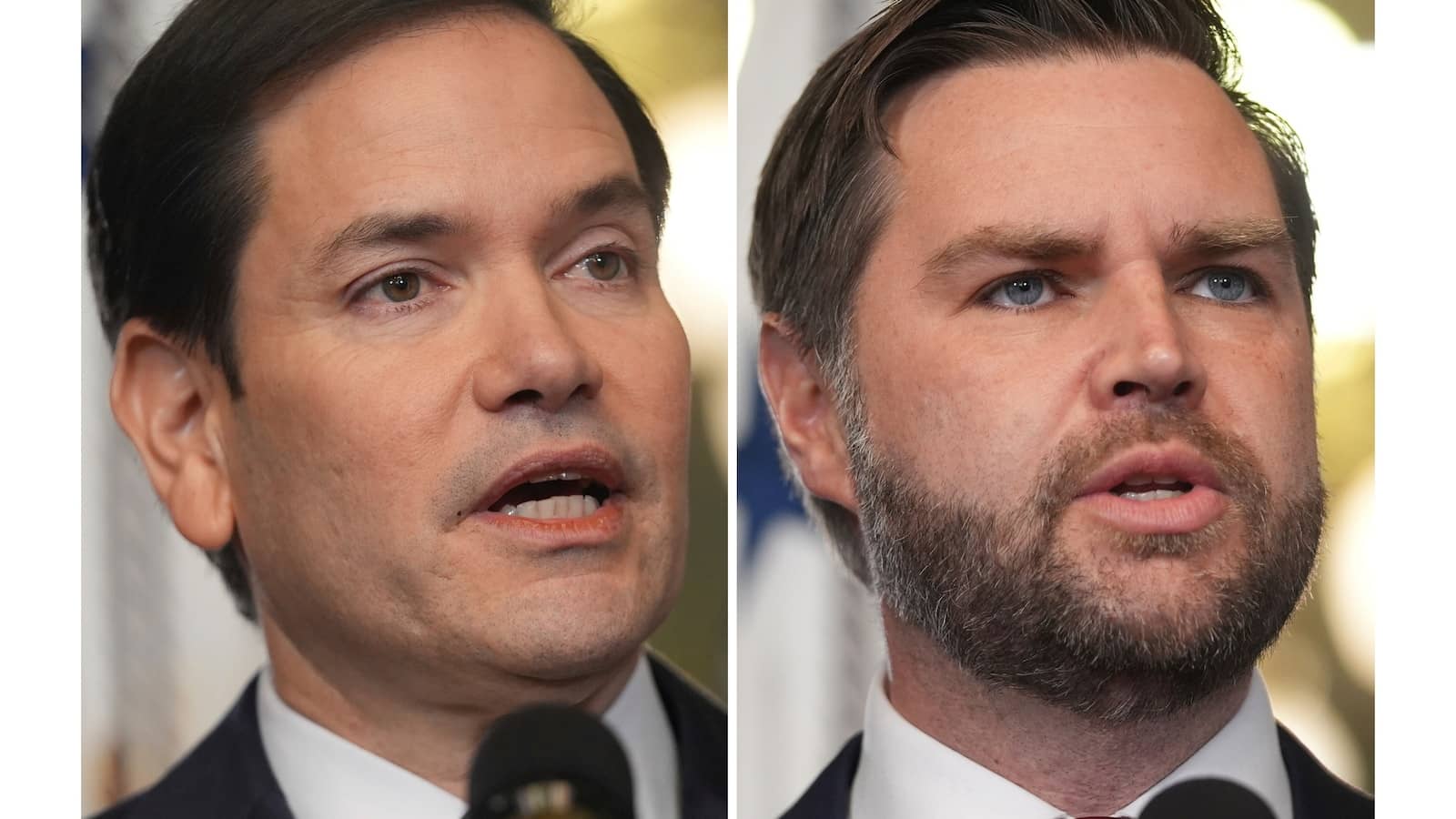

Diverging Approaches to Iranian Nuclear Policy
Vice President JD Vance and Secretary of State Marco Rubio are currently implementing different strategies regarding Iran's nuclear activities. These differing approaches are being analyzed as significant indicators of how each official intends to execute the national security agenda established by President Donald Trump.
According to reporting from ABC News, the two top administration officials appear to be staking out distinct paths in their handling of foreign policy matters involving Tehran. While both serve within the same executive branch, their methods and priorities regarding the Middle Eastern nation's nuclear program show marked variations.
These strategic differences are not merely administrative; they are viewed by political observers as reflective of separate interpretations of President Trump's broader national security framework. The administration has not issued a unified public statement clarifying which approach represents the definitive policy, leaving the divergence open to interpretation.
Implications for the 2028 Presidential Race
The contrasting strategies adopted by Vance and Rubio are being closely watched as potential tests of their respective prospects in the upcoming 2028 presidential elections. Political analysts suggest that how each official handles complex international crises like the situation with Iran will play a crucial role in defining their political identities.
As Secretary of State, Marco Rubio is responsible for the day-to-day diplomatic and strategic engagement with foreign powers. His approach to Iran's nuclear activities may signal his preferred style of statecraft and his interpretation of American power projection. Conversely, Vice President JD Vance’s perspective on the issue offers insight into his own policy priorities and potential alignment with different factions within the Republican Party.
The intersection of high-stakes foreign policy and domestic political ambition creates a complex dynamic. Observers note that the handling of Iran's nuclear program serves as a proxy for broader debates about the direction of U.S. national security policy. The choices made by Vance and Rubio in this arena are seen as early signals of their leadership styles and strategic visions.
Shaping the National Security Agenda
The differing approaches taken by the Vice President and the Secretary of State highlight potential fault lines within the Trump administration's national security team. These variations suggest that there may not be a single, monolithic view on how to engage with Iran, but rather competing strategies being debated at the highest levels of government.
President Donald Trump’s national security agenda is broad and multifaceted. The specific ways in which Vance and Rubio interpret and implement these directives regarding Iran reveal their individual priorities. One approach may emphasize diplomatic pressure, while the other could focus on military deterrence or economic sanctions, though the specific details of each strategy have not been fully detailed in public reports.
The lack of a unified front on this critical issue underscores the competitive nature of their roles. As they navigate the complexities of international relations, both officials are simultaneously positioning themselves for future political endeavors. The 2028 election cycle is already influencing current decision-making processes within the administration.
Political Calculus and Future Prospects
The 2028 presidential election is shaping the context in which these foreign policy decisions are made. Both Vance and Rubio are aware that their performance on the world stage will be scrutinized by voters and party leaders alike. Their handling of Iran’s nuclear activities is therefore not just a matter of international diplomacy but also of domestic political calculation.
By adopting different approaches, each official may be attempting to appeal to specific constituencies within the Republican base or to demonstrate competence in areas where they believe their opponent may lack strength. This strategic positioning adds another layer of complexity to the administration's foreign policy operations.
The divergence between Vance and Rubio serves as a case study in how internal political dynamics can influence national security decisions. As Iran continues its nuclear activities, the responses from the White House will be closely monitored for signs of which strategy will ultimately prevail or if a compromise will be reached. The outcome of this internal debate will likely have lasting implications for both U.S.-Iran relations and the political trajectories of Vance and Rubio.