

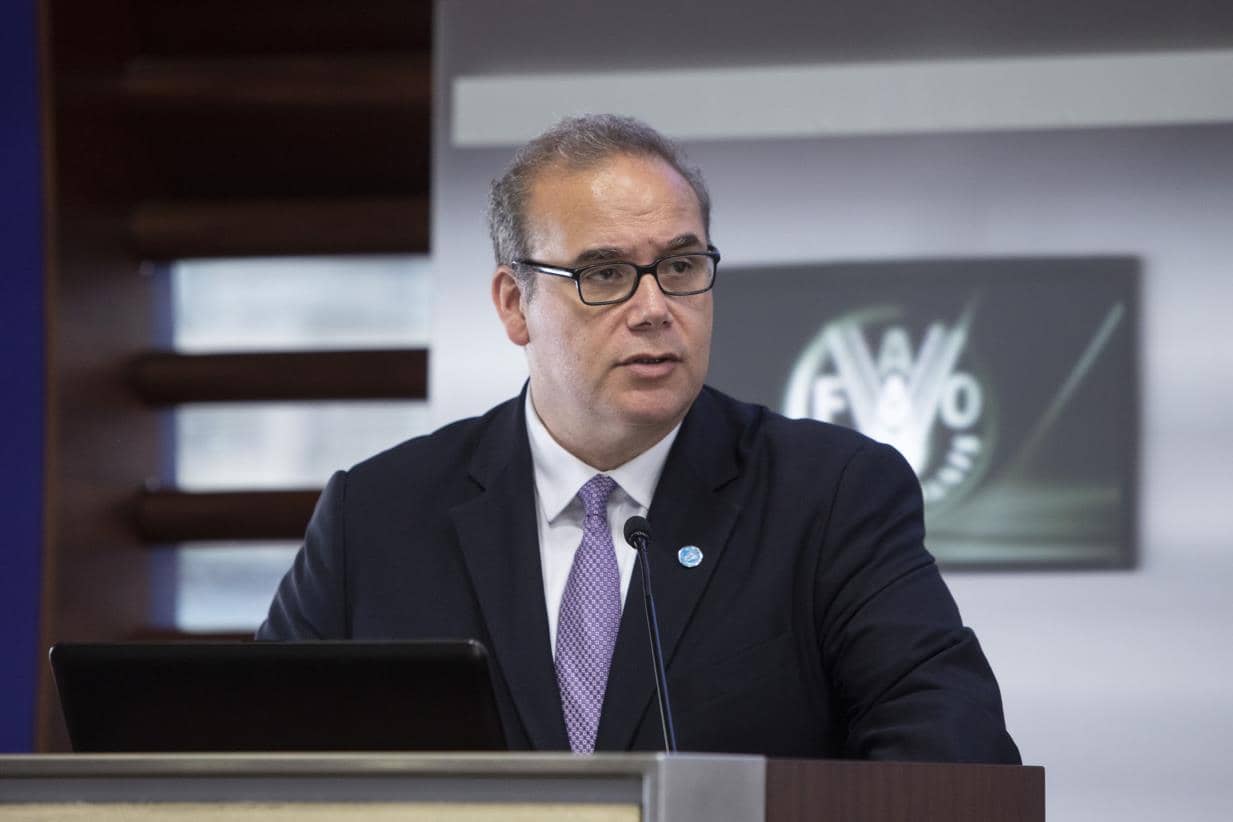


Memorandum Aims To Restore Critical Commodity Flows
A recent memorandum of understanding between the United States and Iran has been announced with specific objectives regarding global trade routes. The agreement promises to restore the flow of essential commodities through the Strait of Hormuz. According to Máximo Torero, these goods include oil, natural gas, sulfur, and fertilizers.
The stated goal of this arrangement is to ease pressure on agricultural markets globally. By securing these supply lines, the memorandum intends to reduce the risk of a deeper global food security crisis emerging in the current geopolitical climate.
Vulnerability Exposed by Recent Crises
Despite potential benefits from the agreement, Máximo Torero emphasizes that its effectiveness is contingent upon specific conditions. The primary condition noted is that the Strait of Hormuz must remain open for the flow to continue uninterrupted. Furthermore, long-term implications regarding this accord and broader relations with Iran are described as uncertain.
The past four months have served to highlight a critical reality: agriculture remains dangerously vulnerable to disruptions in fertilizer supply chains. This observation comes at a time when countries face deep uncertainty over the memorandum itself. Experts suggest that nations should not assume stability will persist indefinitely.
Historical Context of Agricultural Disruptions
The agricultural sector has faced multiple crises in recent years, exposing systemic weaknesses within supply chains and energy systems. Over the past five years, agriculture has absorbed a succession of significant events. These include the COVID-19 pandemic, various wars, and repeated climate-related disasters.
Each of these successive crises revealed specific vulnerabilities. The combination of health emergencies, armed conflict, and environmental catastrophes tested the resilience of global food systems repeatedly. Máximo Torero notes that while each event was distinct, they collectively demonstrated how fragile agricultural infrastructure can be when subjected to external shocks.
Strategies For Building Resilience
Máximo Torero advises countries on how to manage the current situation and prepare for future instability. The recommendation is clear: nations should use any immediate easing of pressure that occurs to build resilience against future shocks. This approach suggests a proactive strategy rather than reactive measures.
The central lesson identified by Máximo Torero from the past four months is not whether another disruption will occur, but how prepared countries are when it does happen. The question facing policymakers and agricultural leaders is one of preparation levels relative to potential threats.
Uncertainty Regarding Long-Term Relations
The memorandum addresses immediate supply concerns, yet the text acknowledges that deep uncertainty exists over the MOU itself. This uncertainty extends beyond the specific agreement to long-term relations with Iran more broadly. Such geopolitical complexity adds a layer of risk that cannot be ignored by agricultural stakeholders.
While the flow of oil and fertilizers is critical for maintaining market stability, the broader context includes potential escalations or interruptions not covered solely by this memorandum. The Strait of Hormuz remains a choke point where global energy and food supplies converge, making its status pivotal to international security and economic health.
Implications For Global Markets
The restoration of oil, natural gas, sulfur, and fertilizers is expected to ease pressure on agricultural markets. However, this easing does not guarantee immunity from future disruptions. The agreement may reduce the intensity of current shocks, assuming the Strait remains open, but it cannot erase the central lesson regarding vulnerability.
Experts warn that relying solely on diplomatic agreements without strengthening underlying resilience leaves systems exposed. The past five years have shown that agriculture absorbs crises poorly when supply chains are weak or energy systems fail simultaneously. Therefore, building capacity to withstand shocks is considered a priority alongside securing trade routes.
The Role Of Fertilizer Supply Chains
Disruptions in fertilizer supply chains pose a specific threat to global food security. These disruptions can stem from various sources, including geopolitical tensions or logistical failures within the energy sector that supports fertilizer production and transport. The memorandum seeks to mitigate these risks by ensuring flow through key maritime routes.
Máximo Torero points out that agriculture remains dangerously vulnerable in this regard. Even with a restored flow of goods, weak supply chains can lead to bottlenecks during times of crisis. Strengthening resilience involves diversifying sources and improving infrastructure so that single-point failures do not cascade into global shortages.
The advice given is for countries to leverage any temporary relief provided by the memorandum. This includes using reduced immediate pressures to invest in resilient systems before the next shock arrives. The focus remains on preparation rather than assuming permanent stability based on a single diplomatic document.