

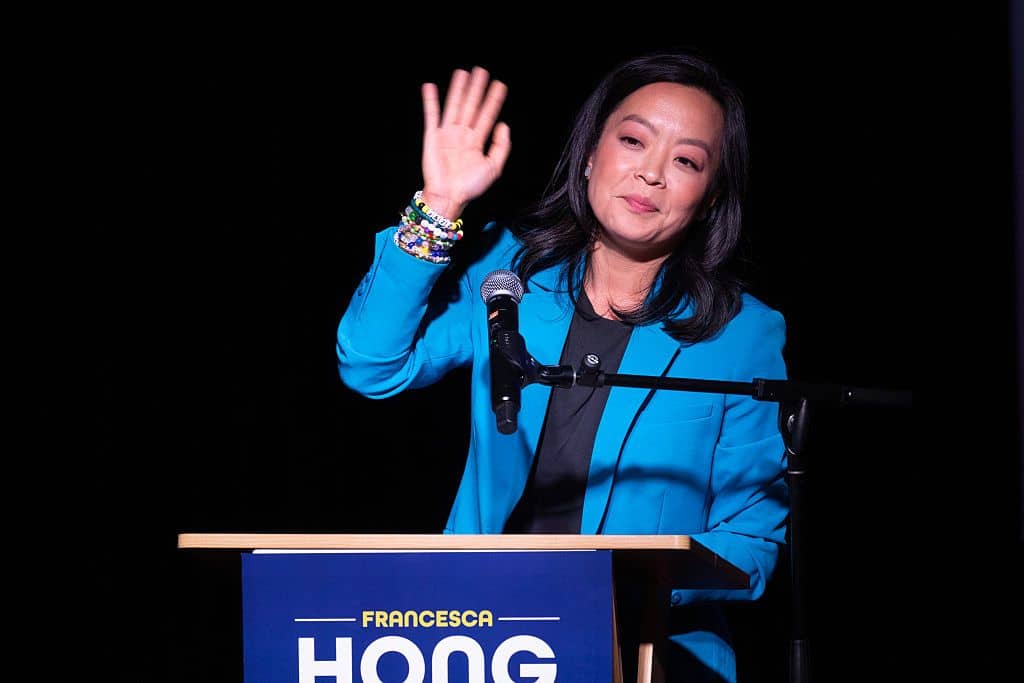

Upset Victory in Wisconsin Defeats Progressive Frontrunner
Wisconsin Lieutenant Governor David Crowley secured an upset victory over progressive candidate Francesca Hong for the Democratic nomination for governor on Aug. 11, according to a report by Newsone. The result marked a significant deviation from early campaign projections, where Hong had been considered the frontrunner for the nomination with her victory appearing all but assured.
The New York Times reported that Crowley narrowly defeated Hong to become Wisconsin’s Democratic nominee for governor. The outcome has been characterized as a stunning loss for progressive candidates in the state, highlighting a continued battle between progressive and moderate factions within the Democratic Party across several primaries held on Tuesday.
Evers Endorsement and Campaign Dynamics
A primary factor cited in Crowley’s success was the endorsement of Wisconsin Governor Tony Evers. Evers, who is term-limited and cannot run for reelection, remains popular in Wisconsin and spent much of the last few weeks campaigning actively for Crowley.
While Hong had dominated polling numbers throughout most of the campaign, concerns were raised regarding her performance in recent television appearances within the state. Reports indicated that observers noted she seemed unpolished during these media engagements, which may have influenced voter sentiment leading up to the Aug. 11 election.
Barnes Withdrawal and Polling Dominance
The race dynamics were further shaped by the earlier withdrawal of Mandela Barnes from the contest. Barnes reportedly cited Hong’s dominance in polling as a primary reason for dropping out of the race. However, reports suggest that other controversies may have also played into his decision to leave the primary field.
Hong’s position as the polling leader was widely acknowledged prior to her exit from the race. Her status as the favorite had led Barnes to conclude that continuing the campaign was not viable, a move that consolidated support for Crowley among more moderate voters who might have otherwise split their votes.
Broader Progressive Setbacks in Regional Primaries
The results in Wisconsin were part of a broader pattern of mixed outcomes for progressive candidates during the Aug. 11 primaries, which also included contests in Minnesota. While progressives notched some notable wins in other jurisdictions, the loss in Wisconsin stood out as a critical setback for the movement’s momentum.
Newsone noted that Tuesday saw yet another battle between progressives and moderates across several primaries. The specific dynamics in Wisconsin demonstrated the challenges progressive candidates face when competing against established figures with strong institutional support, such as Crowley’s access to the sitting governor’s network and popularity.
The contrast between Hong’s early polling dominance and her eventual defeat underscores the volatility of primary elections. Despite being favored for much of the campaign cycle, Hong was unable to maintain her lead against Crowley, who benefited from high-profile endorsements and a perception of greater polish in media interactions.
Implications for the General Election
Crowley’s victory positions him as the Democratic nominee for governor in Wisconsin. The narrow margin of his win over Hong suggests a competitive general election landscape, despite his status as the candidate who secured the party nomination through an upset.
The withdrawal of Mandela Barnes, driven by polling data that favored Hong, had previously signaled strong progressive support for Hong. However, the ultimate result indicated that factors beyond raw polling numbers, including campaign strategy and media presentation, played decisive roles in determining the nominee.
As the Democratic Party navigates these internal divisions, the Aug. 11 primaries provided a clear snapshot of the ongoing tension between different ideological wings. The Wisconsin result, in particular, serves as a case study in how established political figures can leverage incumbency advantages and gubernatorial endorsements to overcome early polling deficits.