


Legal Action Filed Over Absentee Ballot Counting
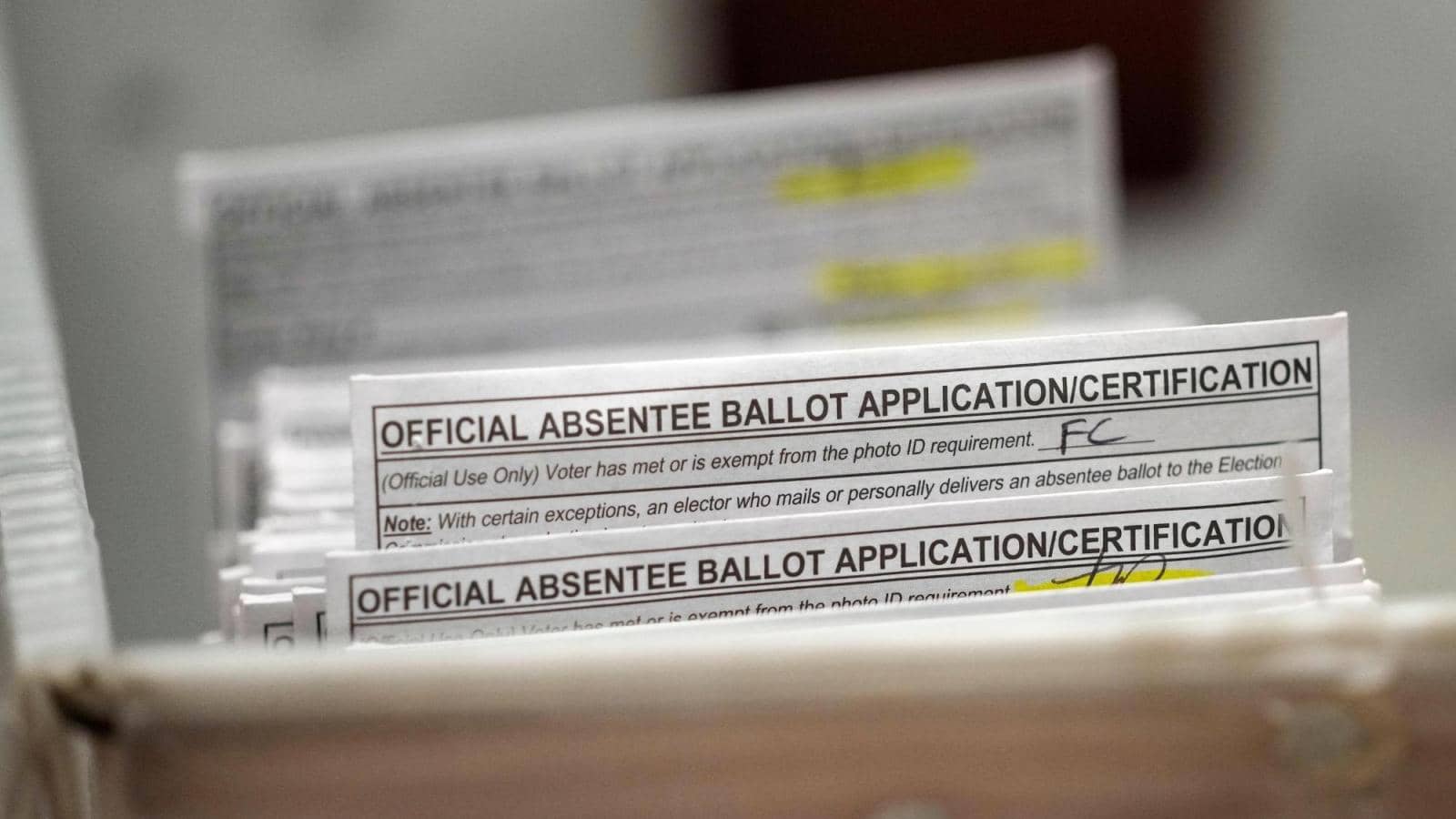
A significant lawsuit has been initiated in the state of Wisconsin by a group of concerned voters. The legal filing seeks to establish a critical change in election administration: that absentee ballots arriving late should still be included in the official vote count. This action is being taken with specific regard to the upcoming elections scheduled for November, which are identified as midterms, highlighting the immediate relevance and potential impact of the case.
The primary motivation cited within the public record driving this litigation involves pressing concerns surrounding delivery logistics. Specifically, observers and litigants point to potential limitations and challenges in how quickly the United States Postal Service (USPS) can reliably deliver ballots across the state during the intense and often high-volume election period. The plaintiffs argue that the current strict deadlines for ballot receipt do not adequately account for these real-world postal service capabilities and potential delays.
Voters Seek Protection for Disenfranchised Ballots
The core of the lawsuit rests on the premise that eligible voters should not be disenfranchised due to circumstances beyond their control. By challenging the current ballot receipt deadlines, the Wisconsin voters are advocating for a system that ensures every valid vote cast by mail is counted, even if postal delays prevent its timely arrival at election offices. This legal maneuver underscores a broader effort to safeguard voter access and the integrity of the electoral process against administrative hurdles.
Concerns Regarding Mail Delivery Timelines
The heart of the dispute centers squarely on the timeline for ballot receipt versus the practical capabilities of the postal service. The plaintiffs argue that relying solely on strict, unyielding deadlines may inadvertently result in valid votes being discarded. They contend that factors outside a voter's control, such as severe weather events, unforeseen logistical bottlenecks within the postal system, or simply the sheer volume of mail during an election season, can cause delays that effectively disenfranchise voters who have met all other requirements.
According to reports published on July 24th, 2026, the filing of this lawsuit coincides with a broader national conversation regarding election administration and the reliability of mail-in voting. The United States Postal Service faces heightened scrutiny in this context due to its indispensable role as the primary carrier for absentee ballots in many jurisdictions across the country, including the crucial swing state of Wisconsin. This scrutiny often intensifies during election cycles, drawing attention to the operational demands placed upon the federal agency.
Potential Impact on November Midterms
The timing of the lawsuit is particularly significant given its proximity to the upcoming midterms scheduled for later that year. Legal experts and political analysts note that election laws vary significantly by state, with some states having earlier deadlines for absentee ballot receipt or more stringent requirements than others. The plaintiffs in this case specifically argue that Wisconsin's current legal framework may not adequately account for the inherent variances and potential delays in mail delivery, thereby posing a risk to voter participation in a high-stakes election.
Challenges to Election Deadlines
The legal challenge highlights a recurring tension in election law: balancing the need for administrative efficiency and finality in election results against the imperative to ensure every eligible vote is counted. The lawsuit seeks to introduce a degree of flexibility into Wisconsin's election code, acknowledging that postal service performance can be unpredictable and that voters should not bear the brunt of such unpredictability.
Responses from Political Stakeholders
The filing of the lawsuit has inevitably drawn attention to differing views on election integrity and administration, which are often deeply partisan. While the specific responses of opposing parties or state officials were not detailed extensively in available reports, standard legal procedure dictates that defendants—likely state election commissions or officials—will be served with copies of the complaint. These entities may choose to file motions to dismiss the case, present arguments defending the existing statutory deadlines, or seek to negotiate a resolution.
Broader Context of Election Administration
This case is situated within a larger, ongoing context of election law debates occurring across multiple states in 2026. Issues related to ballot access, the procedural specifics of mail-in voting, and the operational administration of postal services are recurring themes in political discourse during this period. These debates often reflect deeper ideological divides regarding the balance between voter convenience, election security, and the role of government in facilitating democratic participation.
Procedural Details of the Lawsuit
The lawsuit was officially filed on Friday, July 24th, 2026. On the day of the filing, the temperature recorded at various reporting locations across the regions where news outlets covered the story ranged between 87 degrees and 89 degrees Fahrenheit, reflecting the summer conditions at the time of this significant legal development.
Media Coverage of the Development
The event received prompt and widespread coverage from multiple local and national publications, underscoring its perceived importance. Outlets including the Ukiah Daily Journal, the Daily Democrat, and the Los Angeles Daily News reported on the development as it unfolded during their respective editions published that day, bringing the Wisconsin voters' challenge to a broader audience.
Election Law Implications
Successful challenges to ballot counting deadlines, such as the one initiated in Wisconsin, could fundamentally alter how absentee ballots are processed and validated in the state for future elections. The outcome of this specific case may set significant legal precedents regarding what constitutes a valid excuse for a late arrival, potentially including factors like documented postal delays, severe weather events affecting mail transport, or other systemic issues beyond a voter's control.
Potential Changes to Voting Procedures
If the court rules in favor of counting late ballots under certain specified conditions, it could necessitate substantial changes to how election officials verify ballot eligibility and manage the overall election process. This might involve adjusting deadlines based on regional zip codes to account for varying postal service efficiency, or implementing entirely new protocols for tracking postal delivery times specifically during high-stakes elections like midterms. Such changes would require significant administrative adjustments and potentially new resources for local election authorities.