


Passan Highlights Brewers' Presence at Wrigley
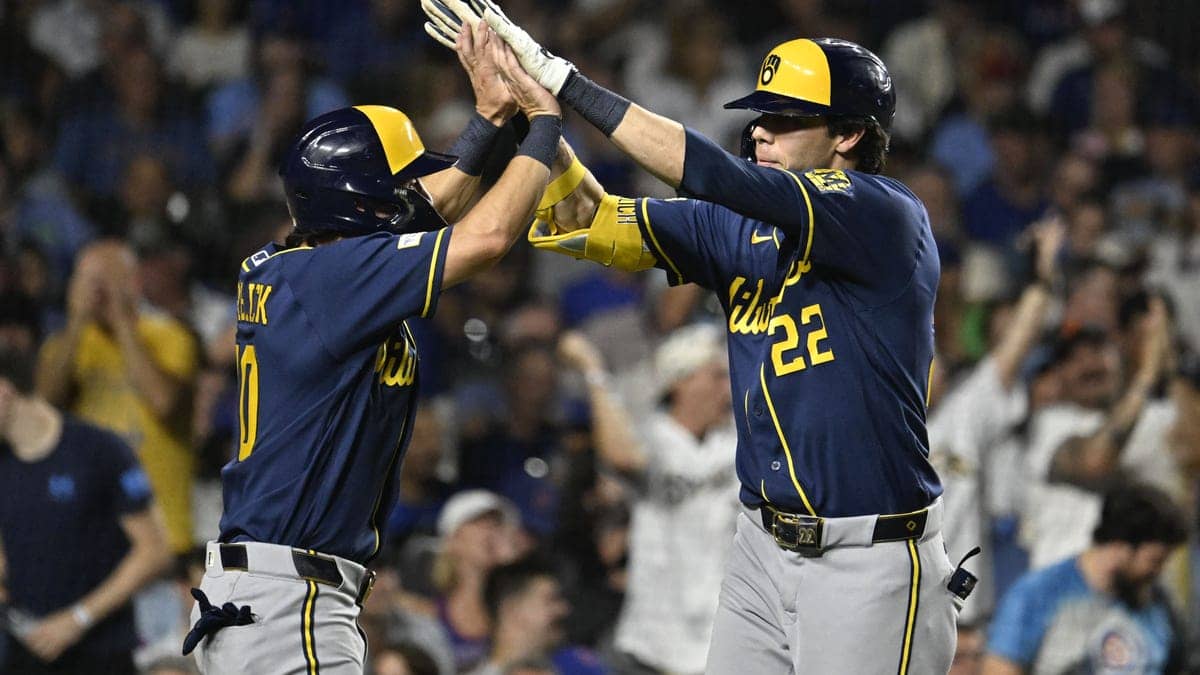
ESPN reporter Jeff Passan drew attention to the volume and visibility of Milwaukee Brewers fans during a game at Wrigley Field on Tuesday, Sept. 1. The observation came following the Brewers' 9-4 victory over the Chicago Cubs. On social media on Sept. 2, Passan referenced a Brewers post that featured video of Christian Yelich hitting a go-ahead home run in the top of the sixth inning.
Passan wrote, "Can I ask, by the way, how people in Chicago felt about their home game turning into a road game?" He added, "That can't happen." The comment referenced the audible support Yelich received as he circled the bases. According to reports, Brewers fans were notably loud during that specific play at the Chicago ballpark.
Historical Parallel in Milwaukee
The sentiment expressed by Passan regarding fan influence mirrors a similar remark he made earlier in the season. At the end of June, Passan directed comparable words toward Brewers fans during an interview with "Wilde & Tausch" on ESPN Milwaukee.
That previous comment occurred following a game on June 28, when the Cubs defeated the Brewers in extra innings at American Family Field. During that broadcast, Passan asked, "Can I ask, by the way, how people in Milwaukee felt about their home game turning into a road game?" He noted that such an occurrence was unexpected given the typical home-field advantage.
Market Dynamics and Fan Support
The dynamic between the two fanbases is influenced by geographic and demographic factors. Milwaukee is ranked as the 31st-largest market in America. It is located approximately 90 miles from Chicago, which is the No. 3 largest market in the country. The population of Wisconsin is reported to be just more than half the size of the Chicago metropolitan area alone.
These factors have historically contributed to a loud presence of Cubs fans in Milwaukee. Despite being a smaller market, the Brewers maintain strong fan support. The team ranks 12th across Major League Baseball for average attendance.
Attendance Figures
The reported average attendance for Brewers games is 33,632 fans per game. Passan's comments highlight the reciprocal nature of fan travel between the two cities. While Cubs fans are known for their presence in Milwaukee, the recent events at Wrigley Field demonstrated a significant turnout and vocal support from Milwaukee supporters in Chicago.
Passan's observation on Sept. 2 served as a humorous acknowledgment of this phenomenon. The comment referenced the specific atmosphere surrounding Yelich's home run. The remark drew attention to the competitive environment created by traveling fans, regardless of which team holds the home-field advantage.
Previous Reactions
When Passan made his initial observation in June, he faced some local criticism. The earlier comment was part of a broader discussion about the Cubs' performance and the influence of the visiting Brewers fanbase at American Family Field. The subsequent comment in September mirrored that structure, applying it to the reverse scenario at Wrigley Field.
The comparison underscores the intensity of the rivalry between the two franchises. Both teams benefit from dedicated followings that travel extensively. The attendance rankings and market size statistics provide context for the logistical challenges and opportunities each team faces in maintaining fan engagement across different cities.
Game Specifics
The game on Sept. 1 resulted in a 9-4 win for Milwaukee. Christian Yelich's home run was identified as the go-ahead score. The event took place in the top of the sixth inning. Passan's social media post directly cited the Brewers' official content regarding this play.
The remark about Chicago feeling like a "road game" suggests that the volume of Brewers supporters outweighed the expected home crowd. This mirrors the June situation in Milwaukee, where Cubs fans created a hostile environment for the home team. The parallel drawn by Passan links the two events through identical phrasing and thematic focus.
Broader Implications
The comments reflect ongoing discussions about fan culture in Major League Baseball. Smaller market teams often rely on passionate, traveling fanbases to compete with larger markets. The Brewers' 12th-place ranking in attendance demonstrates their ability to sustain interest despite the demographic disparity with Chicago.
Passan's remarks do not offer statistical analysis of crowd noise levels but rather highlight the perceived atmosphere. The focus remains on the visibility and audibility of the opposing fans. The historical context provided by his June comments adds depth to the September observation, linking it to a pattern of cross-market fan influence.
Regional Proximity
The 90-mile distance between Milwaukee and Chicago facilitates easy travel for fans. This proximity allows for significant crossover in attendance at games played in either city. The population difference between the two metro areas influences the potential size of each fanbase, yet both teams report strong support metrics.
The Brewers' average of 33,632 fans per game stands as a key metric of their popularity. Passan's comments serve as a narrative device to connect this statistical reality with the lived experience of attending games in rival cities. The emphasis on "road game" atmospheres points to the psychological impact of fan travel on team performance.
Final Observations
The event at Wrigley Field on Sept. 1 and the earlier game in Milwaukee on June 28 represent two instances where visiting fans dominated the auditory landscape of a stadium. Passan's consistent use of the same phrase to describe these events highlights the recurring nature of this dynamic.
The Brewers' victory over the Cubs was marked by Yelich's home run and loud support from Milwaukee. The ESPN reporter's commentary framed this as an inversion of typical home-field advantages. The comparison to the June game in Milwaukee provides a historical framework for understanding the current situation.
Market Comparisons
Chicago's status as the No. 3 market contrasts with Milwaukee's 31st-place ranking. Wisconsin's population being just over half that of Chicago's metro area illustrates the demographic gap. Despite this, both teams attract substantial crowds.
The Brewers' ability to fill stadiums and influence games away from home is a testament to their organizational strength. Passan's remarks capture the essence of this rivalry, focusing on the fan experience rather than just the on-field results. The attention given to crowd noise underscores its role in professional sports.