

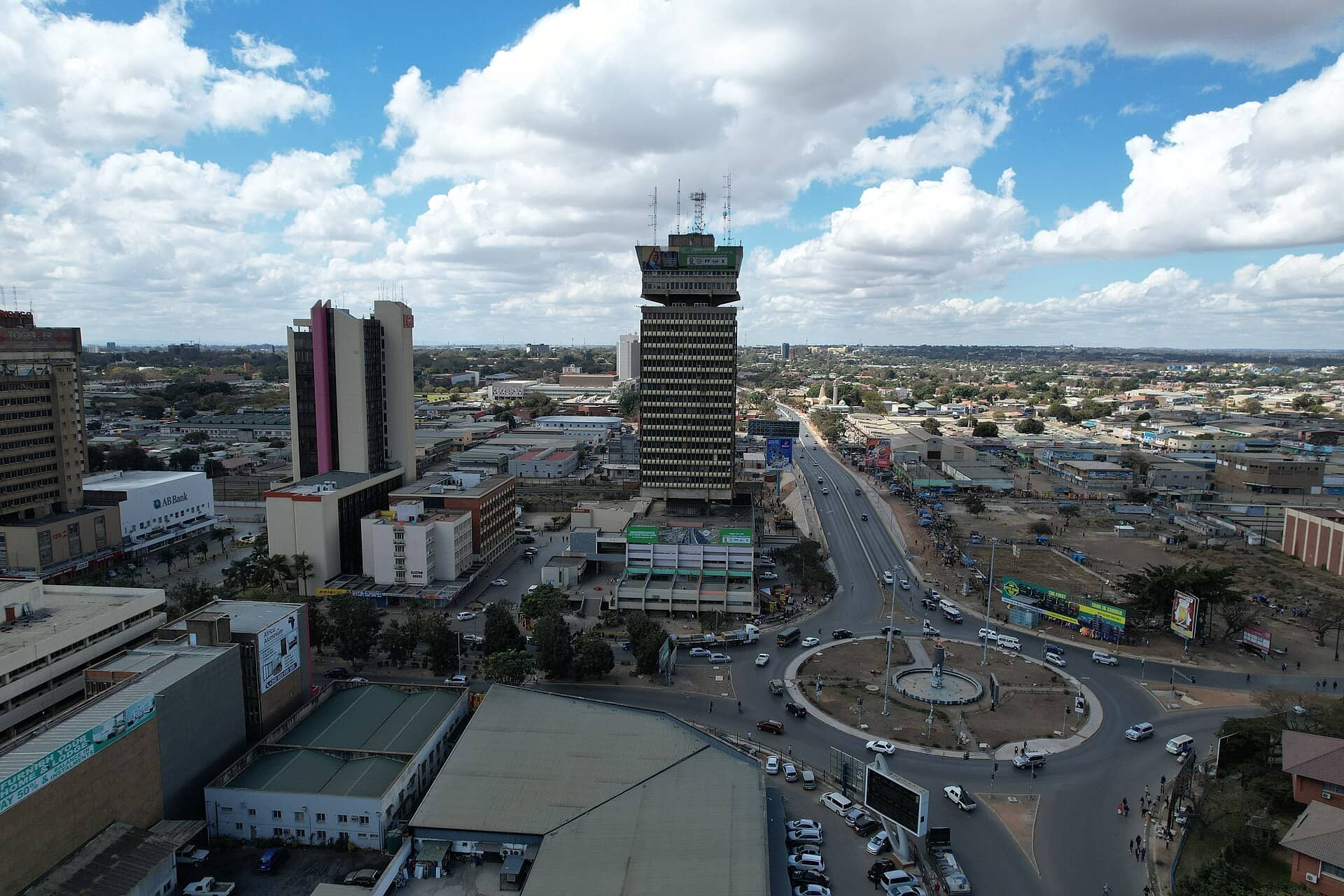

Restart of Ballot Tabulation in Lusaka
Zambia's Electoral Commission (ECZ) officially resumed the counting of votes on Friday evening, marking a critical step forward in the nation's electoral process. The decision to restart the tabulation process was not taken lightly; it followed a period of intensive consultation with various law enforcement agencies and a comprehensive internal review of the prevailing security conditions across numerous polling stations and counting centers nationwide.
The commission had previously paused operations, a measure it stated was absolutely necessary to safeguard the physical safety of electoral officials who are directly involved in handling and verifying ballots, as well as to ensure the unimpeachable integrity of the ballot boxes themselves. According to a briefing released by The Rio Times on August 15, 2026, the resumption occurred only after officials were satisfied that the operational environment had stabilized sufficiently. This stabilization allowed for the secure continuation of both the manual and digital verification processes essential for an accurate vote tally.
Prior to the resumption, representatives from various law enforcement bodies were extensively consulted. These consultations were crucial for assessing potential risks and vulnerabilities at key counting centers, which are often focal points for public gathering and political tension during an election. While the electoral commission did not specify the particular security incidents or threats that necessitated the earlier halt to counting, nor did it detail the specific security protocols implemented by police forces during the interim period, the emphasis remained on a coordinated approach to security management.
Release of Initial Official Results
Concurrently with the announcement that the count had restarted, the Electoral Commission released the first set of official numbers from the ongoing election. These initial figures represent a preliminary snapshot of the vote tally, compiled from a subset of constituencies where counting had progressed sufficiently and security conditions allowed for verification. The commission made it clear that these early results are inherently provisional and are subject to change as the exhaustive counting process continues at various centers across the country.
The ECZ emphasized that these early numbers should not be construed as final results but rather serve as an interim update. This update is crucial for maintaining transparency and providing a baseline understanding of voter preference for both the public and political stakeholders. The release of these figures was strategically intended to manage expectations and mitigate speculation during a period of heightened scrutiny regarding the integrity and efficiency of the electoral process.
The initial summary provided by the source material did not include specific percentages or the names of leading candidates. Instead, the focus of the announcement remained firmly on the procedural aspect of restarting the count and the commitment to transparency, rather than on the competitive standings between political parties at this very early stage of the national tabulation.
Procedural Steps and Security Assessments
The Electoral Commission outlined that the decision to resume counting was a collaborative effort, not made unilaterally. It required close coordination with various security agencies, underscoring the multi-faceted nature of managing a national election. This collaborative step is considered standard procedure in electoral contexts where there are legitimate concerns about potential civil unrest, public order disturbances, or significant logistical challenges that could impede operations at voting and counting centers.
The consultations with law enforcement were specifically focused on the strategic deployment of resources. This included police personnel and other security assets, to protect counting facilities and ensure that electoral officials could work without any form of interference or intimidation. The comprehensive review of security conditions likely involved assessing real-time reports from accredited observers, party agents present at counting centers, and local authorities who have direct knowledge of ground conditions. This multi-source intelligence gathering was vital for determining the overall stability of the situation in different regions before giving the green light for resumption.
While the commission did not provide a definitive timeline for when the final results will be officially declared, it did indicate that the process would take additional time. The meticulous process involves several critical steps: verifying individual ballots, resolving any discrepancies that may arise during tabulation, and accurately aggregating data from all constituencies across the nation. Political parties, independent observers, and the general public are urged to continue monitoring the proceedings diligently at designated counting centers, reinforcing the principle of open and verifiable elections.
Implications for Electoral Timeline
The resumption of the vote count marks a critical and highly anticipated phase in Zambia's electoral cycle. While the initial numbers released provide a preliminary baseline for understanding voter preferences, the complete and accurate picture will only emerge once all ballots have been thoroughly verified, audited, and officially certified by the Electoral Commission. This comprehensive process is fundamental to upholding the democratic mandate.
Observers and political analysts frequently note that delays in vote counting, regardless of their justification, can often lead to increased speculation, heightened anxiety, and potential tension among competing political camps. However, the commission's explicit emphasis on ensuring robust security measures and strict procedural correctness suggests a deliberate focus on minimizing errors and safeguarding the integrity of the process, rather than accelerating the count for political expediency or to appease immediate public pressure.
The role of law enforcement throughout this period remains supportive rather than directive. Their primary presence is intended to safeguard the democratic process and protect its participants, without in any way influencing the outcome of the election. The Electoral Commission maintains that it will adhere strictly to all statutory timelines and legal frameworks governing elections in Zambia, ensuring that the final declaration of results is both legitimate and beyond reproach.