

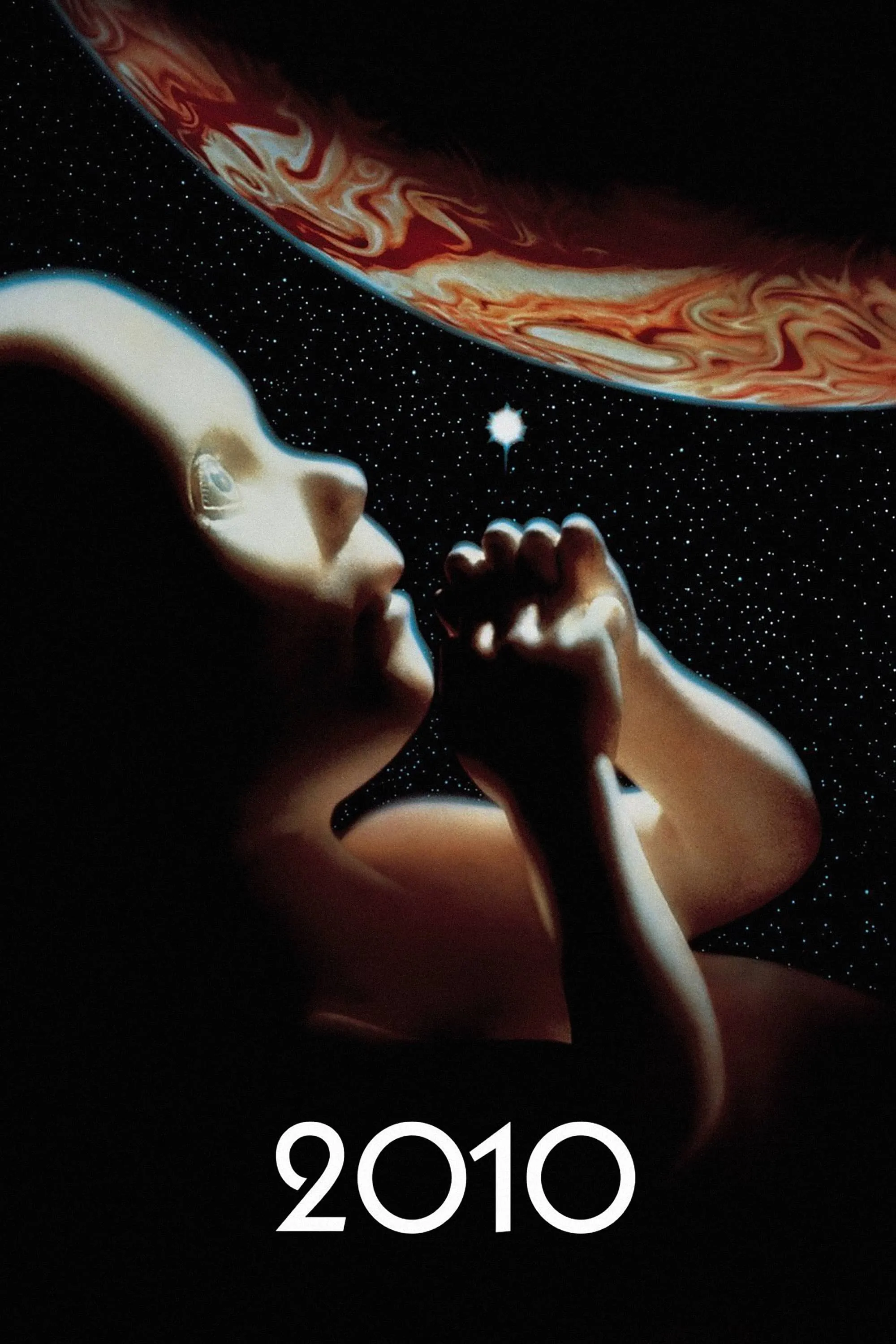
2010
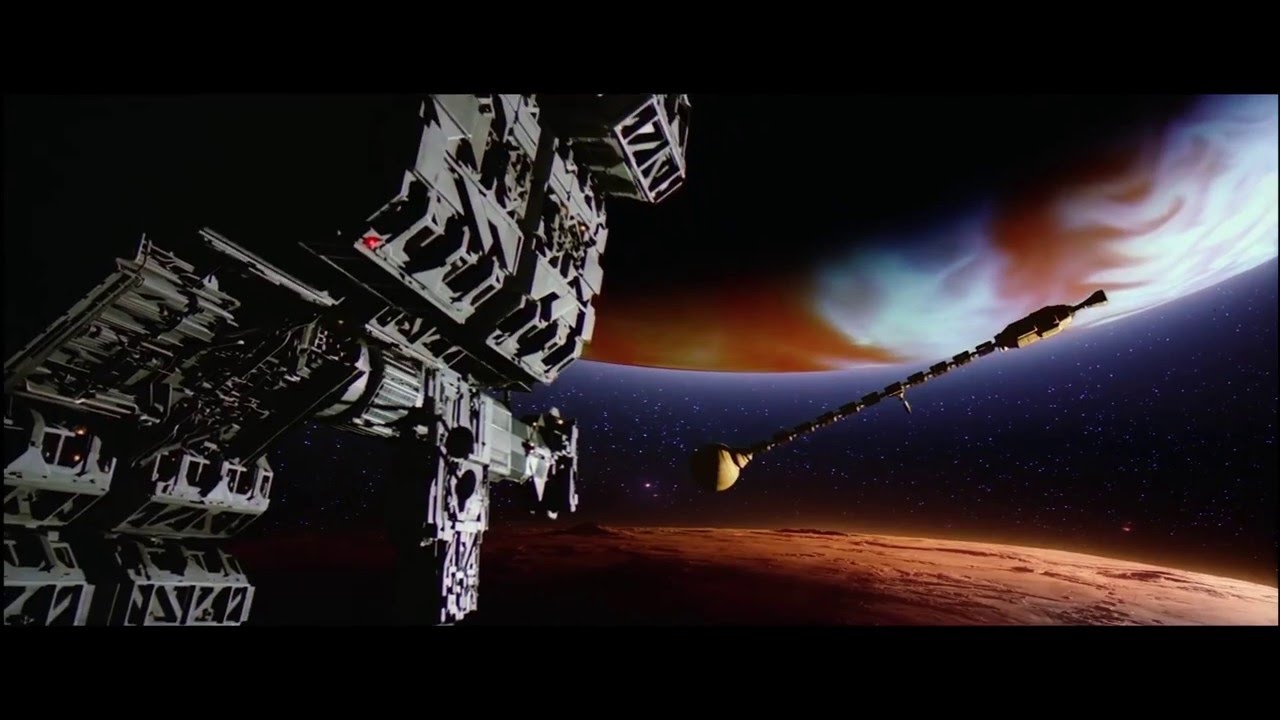
While planet Earth poises on the brink of nuclear self-destruction, a team of Russian and American scientists aboard the Leonov hurtles to a rendezvous with the still-orbiting Discovery spacecraft and its sole known survivor, the homicidal computer HAL.
Director(s)
Peter Hyams
Alan B. Curtiss
William S. Beasley
Marshall Schlom
Where to watch

Amazon Video
Rent
Cast & Crew


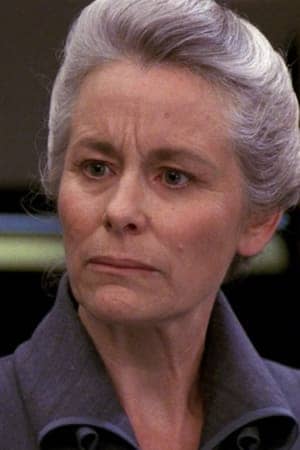
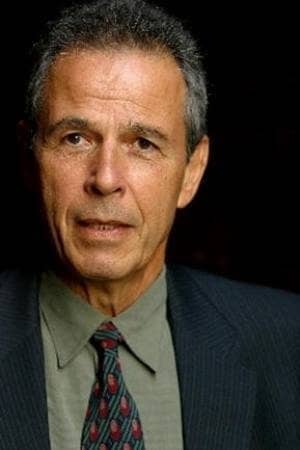
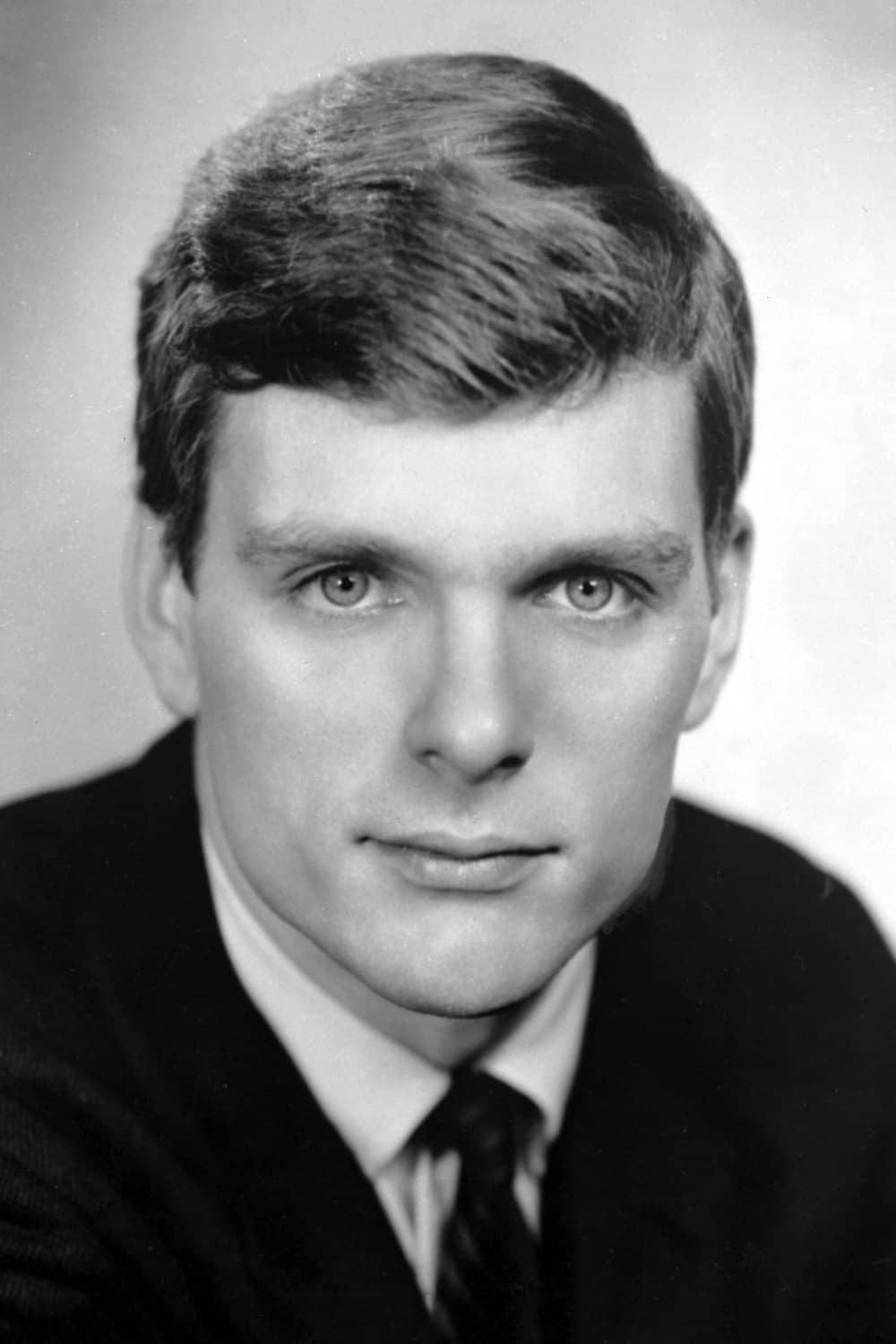
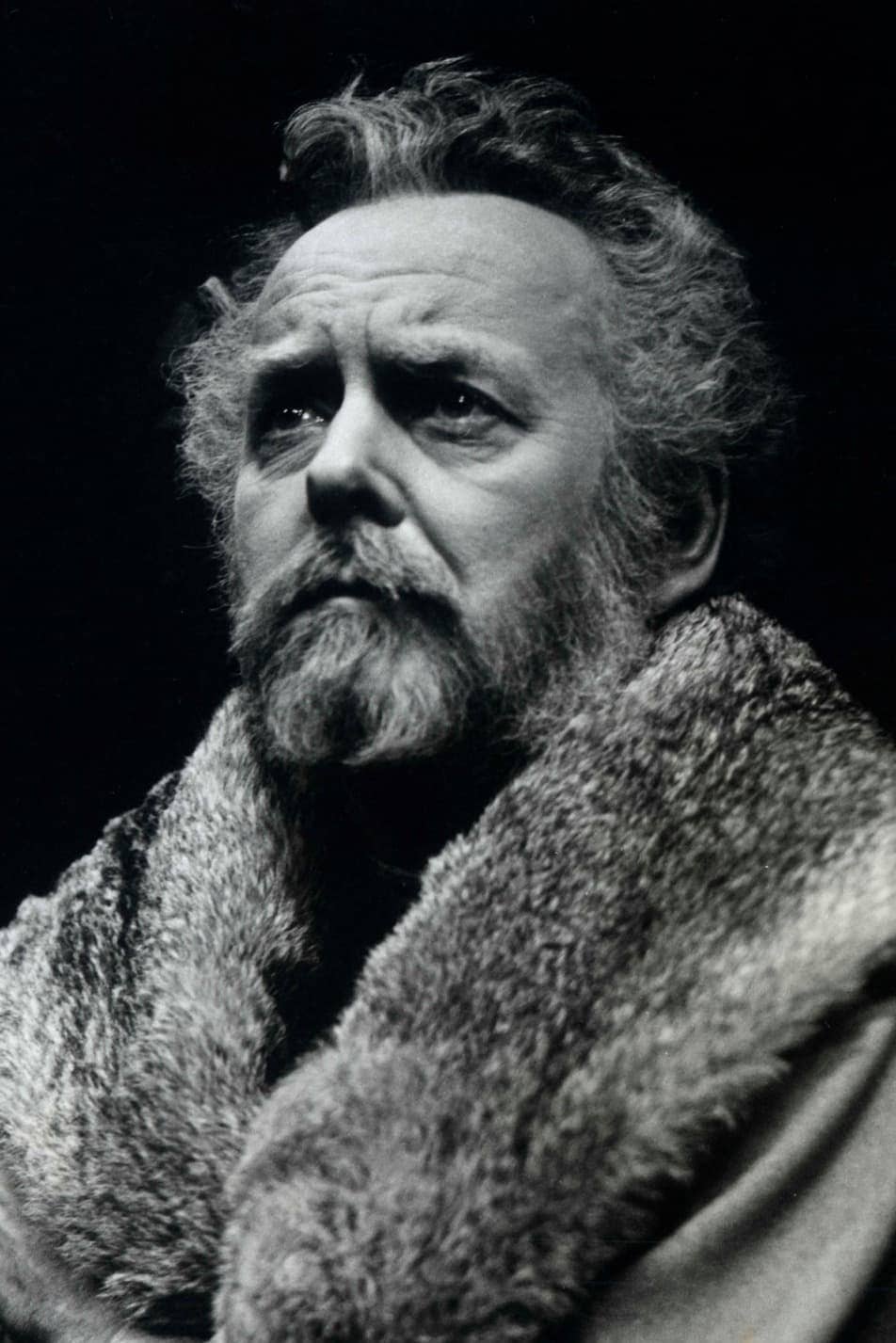


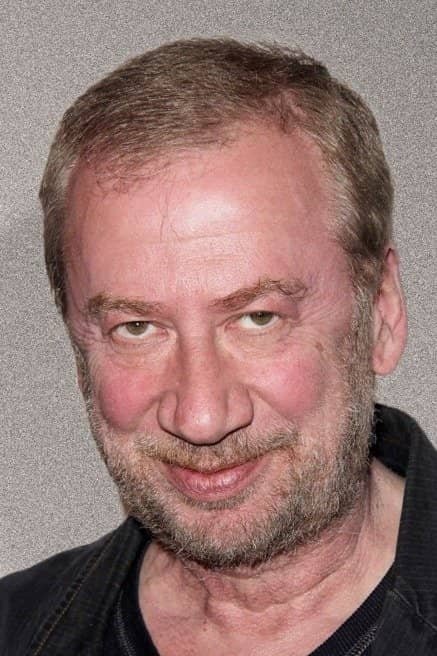
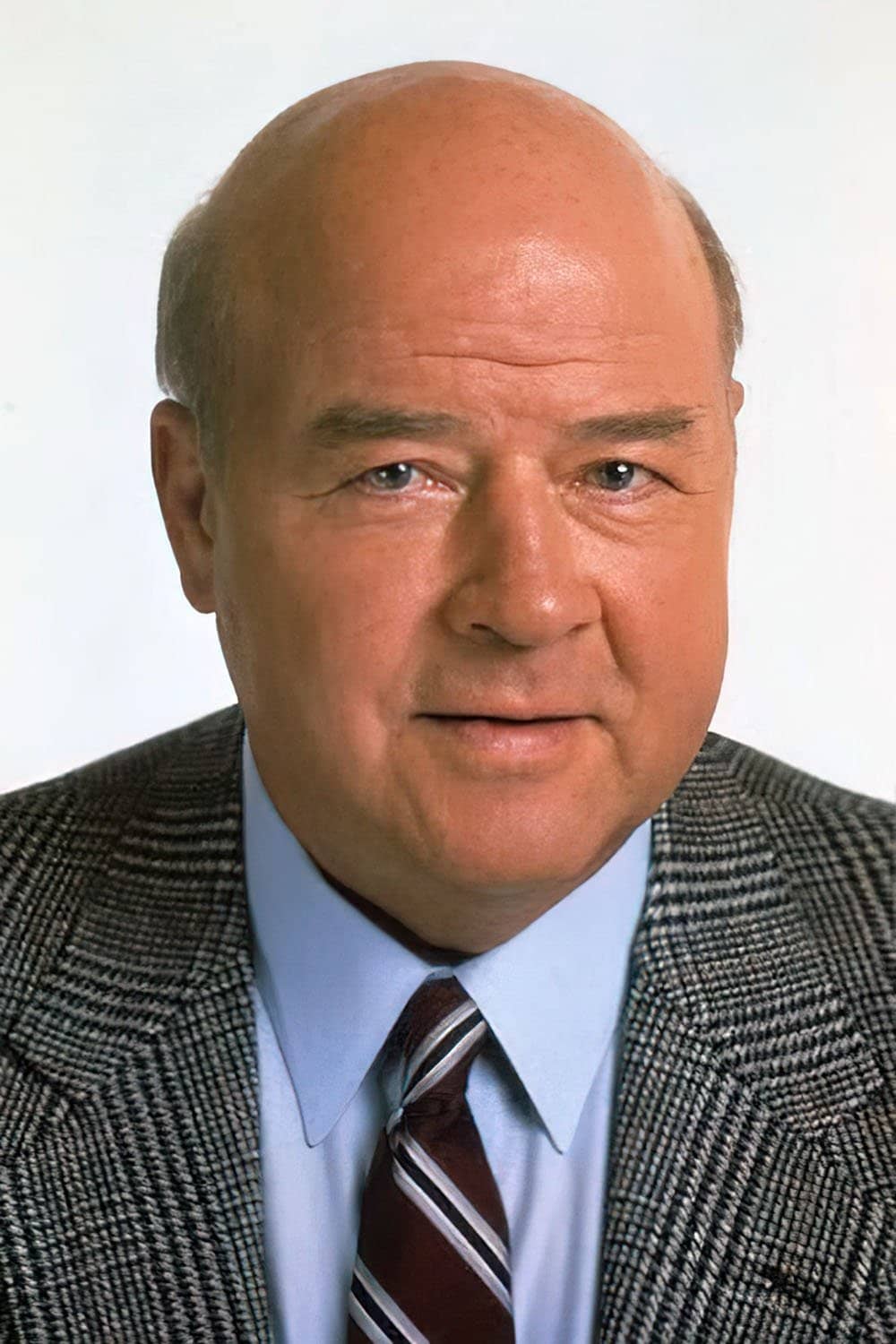
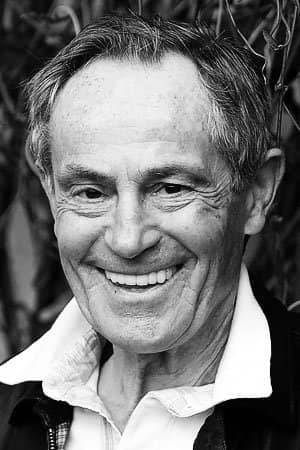
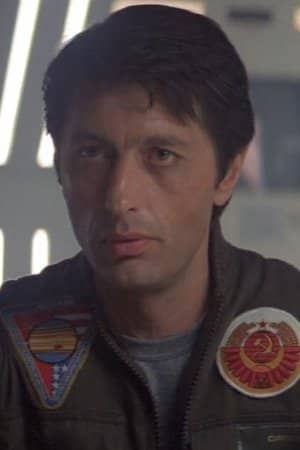

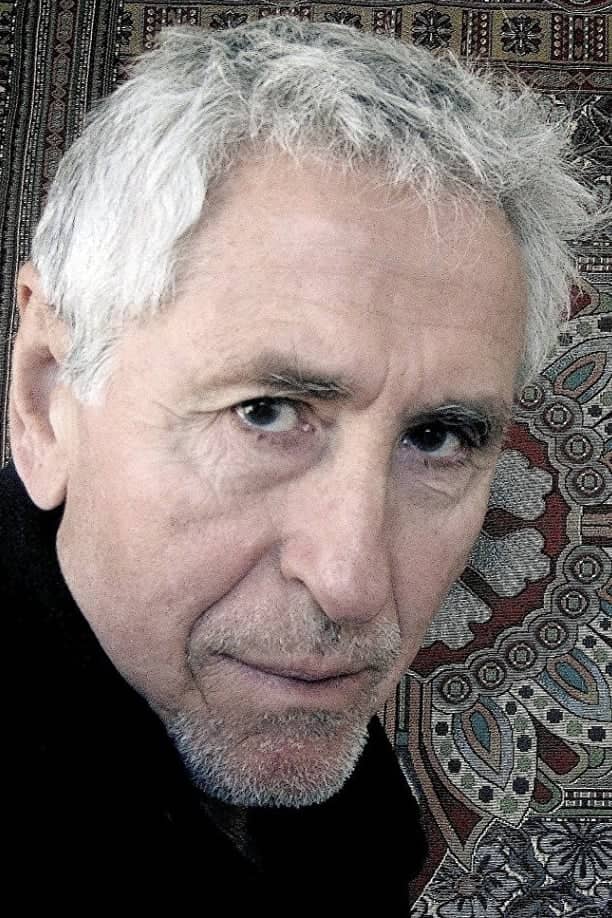
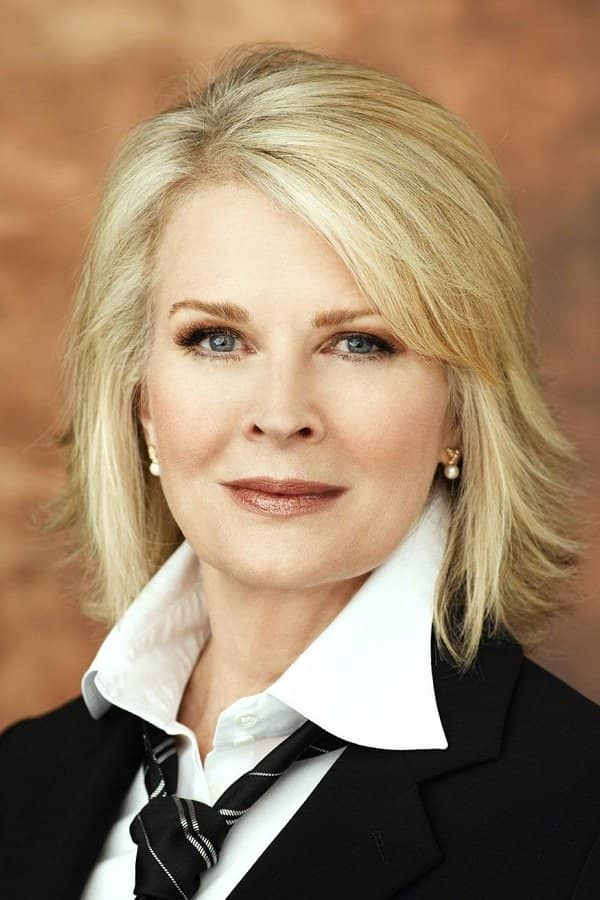
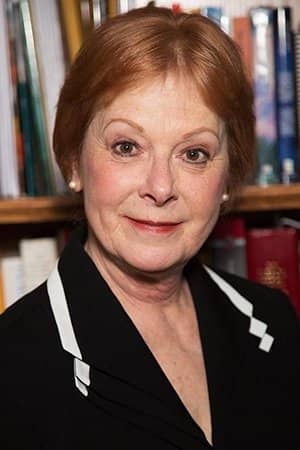
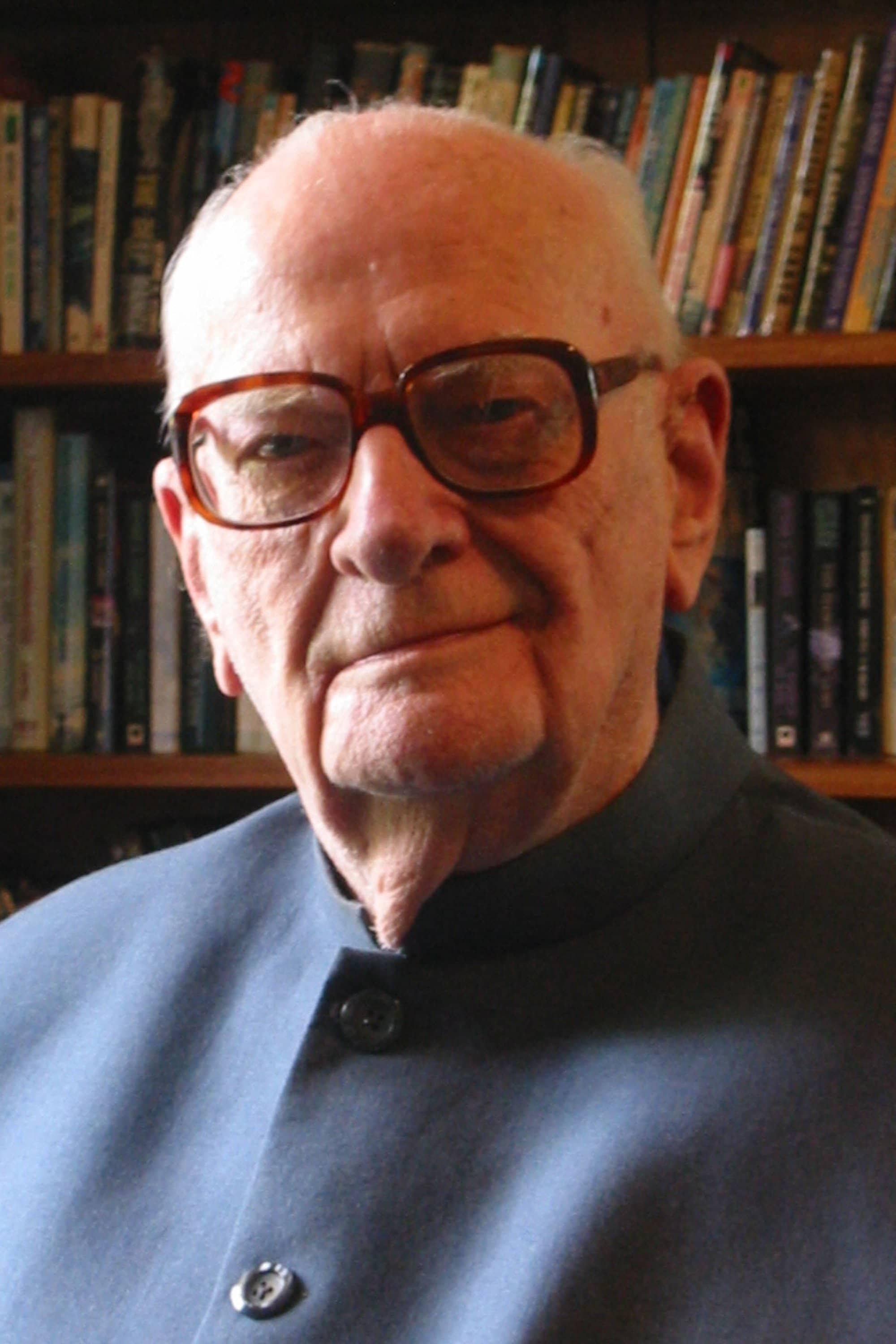

Details

Reviews
Wuchak
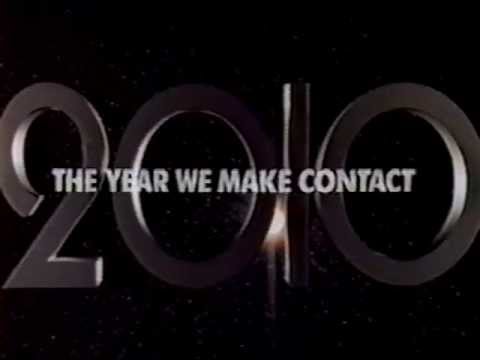
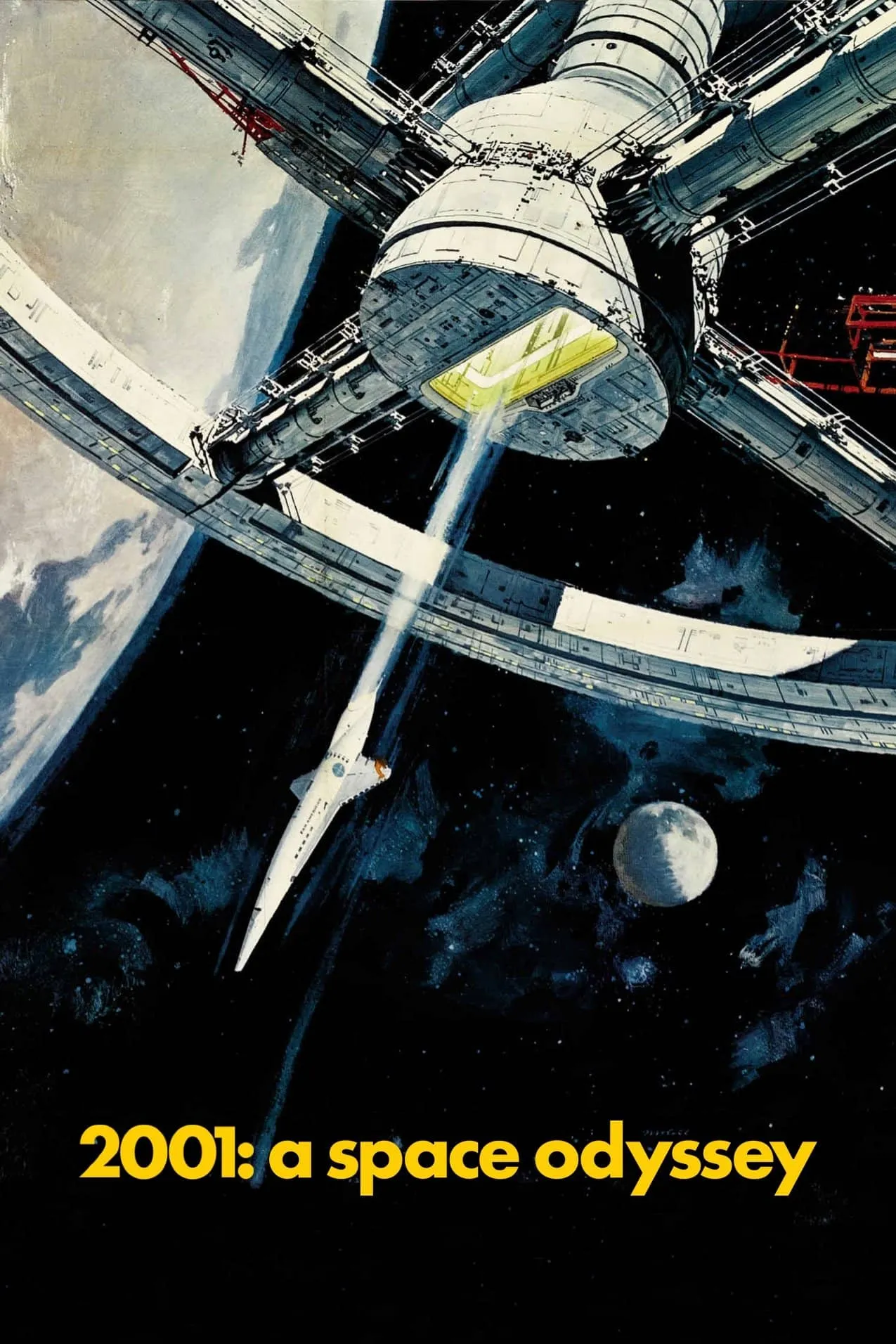
_**Another trip to Jupiter to find answers**_ After the mysterious failure of the Discovery One mission to Jupiter in 2001, Dr. Heywood Floyd (Roy Scheider) resigned his position as head of the National Council for Astronautics. Several years later, the Soviets send the spacecraft Leonov & crew to Jupiter along with three Americans, including Floyd, to help investigate Discovery and the malfunction of the vessel's sentient computer, HAL 9000. Keir Dullea returns as the missing astronaut David Bowman while Helen Mirren plays the captain of the Leonov. Bob Balaban and John Lithgow also appear as the other two American astronauts. "2010: The Year We Make Contact" (1984) is realistic science-fiction that’s less artsy and more dramatically compelling compared to its predecessor, “2001: A Space Odyssey” (1968). That doesn’t make it better, of course, just different. “2001” raised questions while this one provides answers, which some people inevitably won’t like. The questions include: Why did HAL malfunction? What was the real reason for Discovery's original mission, unknown to Floyd? What happened to Bowman? What is the purpose of the colossal monolith orbiting Jupiter? Both films compliment and counterbalance each other. This one’s more of a straightforward space adventure in the near future. Unlike Star Wars, which is space fantasy, “2010” is space-oriented adult science-fiction. Star Trek is too, but “2010” is far more realistic, which I appreciate. In other words, don’t expect any Klingons or spacecraft dogfights. This is more along the lines of “Mission to Mars” (2000) and “The Martian” (2015). The film runs 1 hours, 56 minutes. GRADE: B
r96sk
A much more standard affair compared to its predecessor. Given that's the case, I honestly enjoyed this more than <em>'2001: A Space Odyssey'</em> - if only because it's more closer to what I'd personally want from a film than what that 1968 flick offers, which is moreso an attempted art piece. Of course, the original does things visibly and audibly far, far greater than this 1984 release - just plot-wise, this is better in my opinion. That's not to say that <em>'2010'</em> is something I'd consider great, because I wouldn't. It is, though, solid sci-fi fare, one I had a decent time watching. I'm not a fan of recasts, but Roy Scheider does a good job in place of William Sylvester as Heywood Floyd. Bob Balaban does well, while it's neat to see John Lithgow and Helen Mirren involved. I'm somewhat surprised (but agreeable) that this has, seemingly, been fairly well received. I was expecting it to be poorly thought of by the majority, as is usually the case for sequels of iconic movies that aren't cut from the same cloth; different director etc.
All Trailers


Media engagement

Part of the Series
2010 FAQs
The directors of 2010 are Peter Hyams, Alan B. Curtiss, William S. Beasley, and Marshall Schlom.
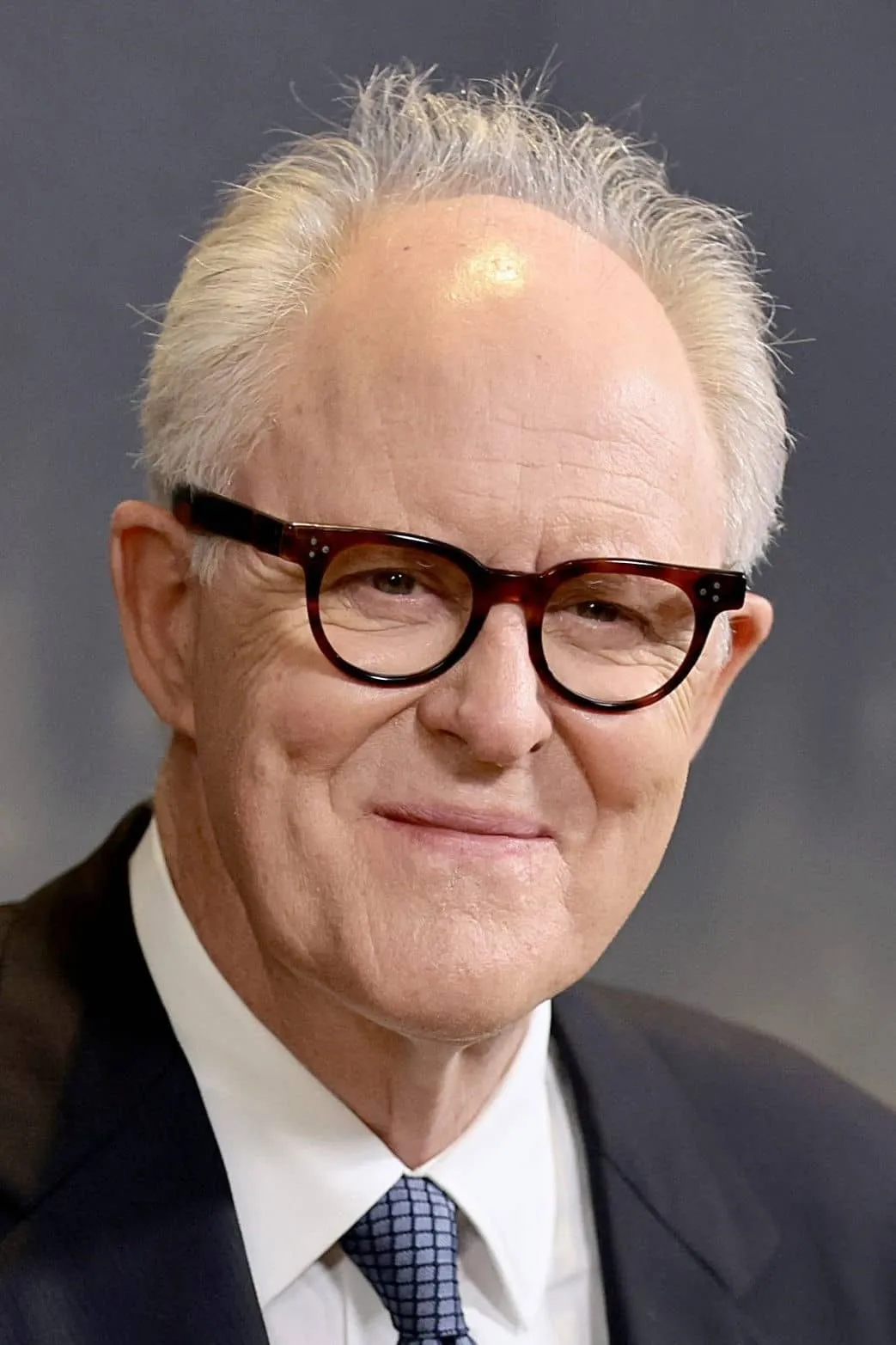
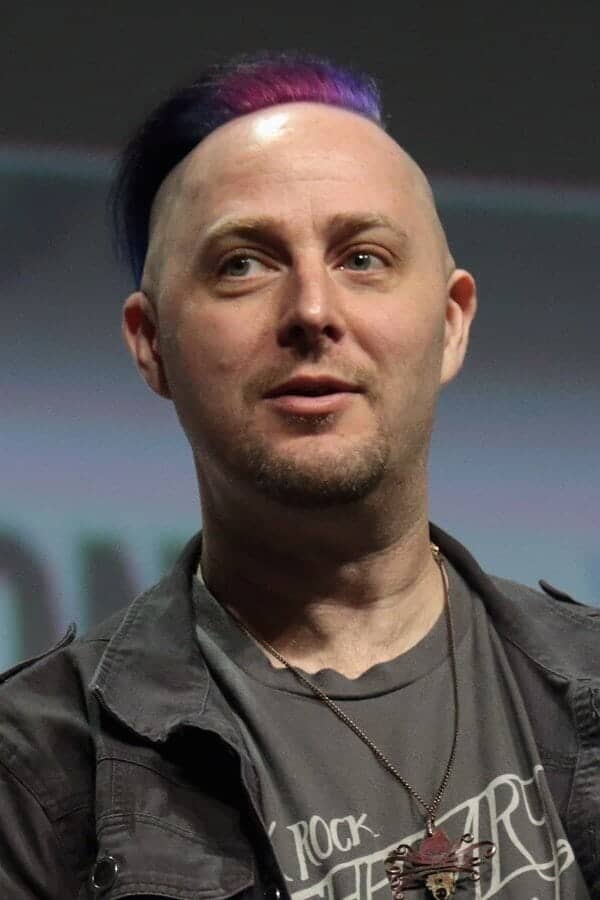
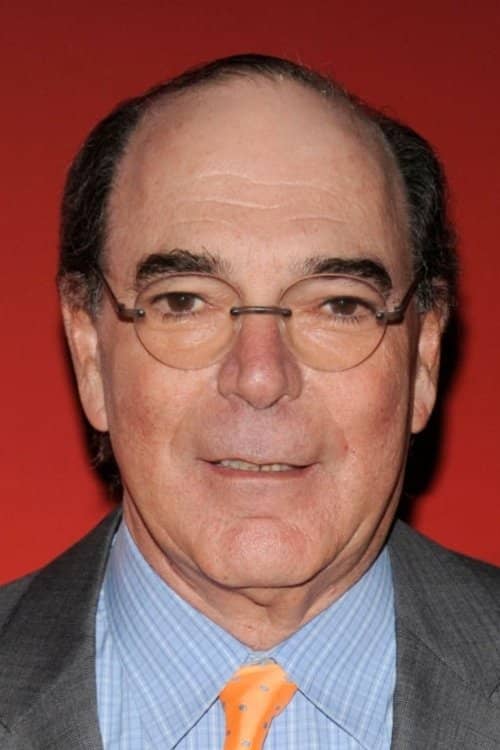
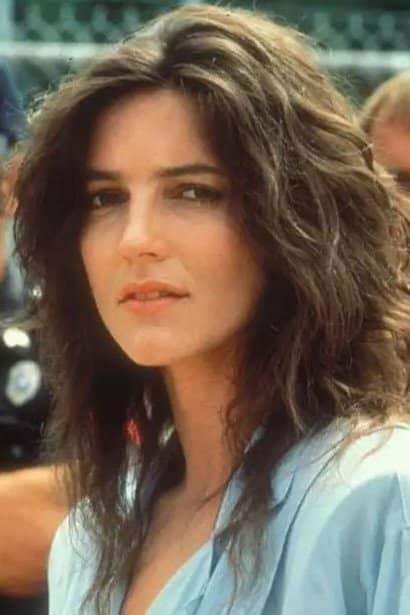
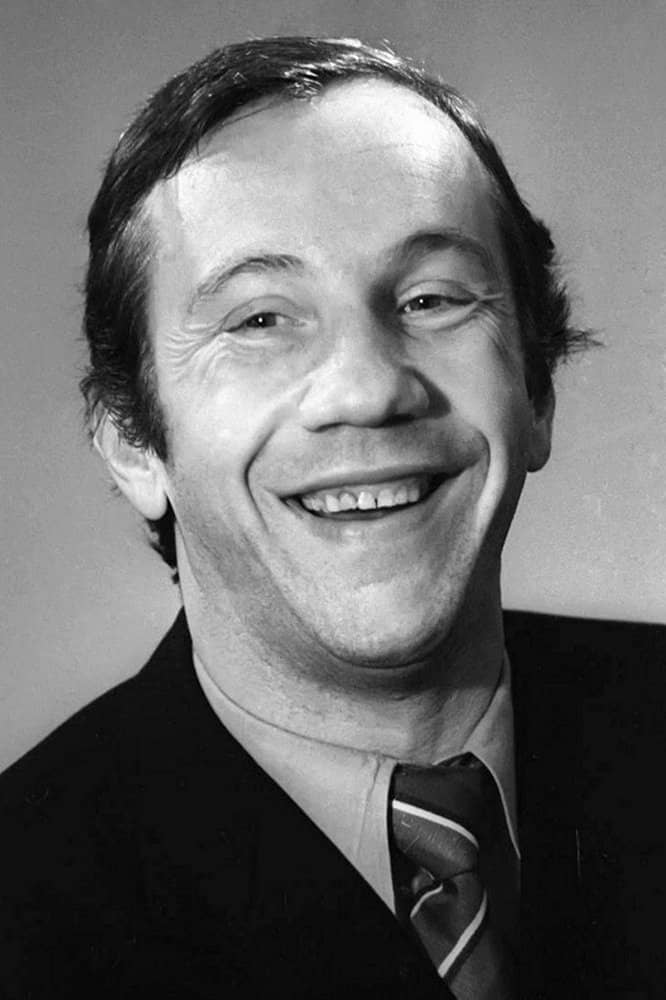
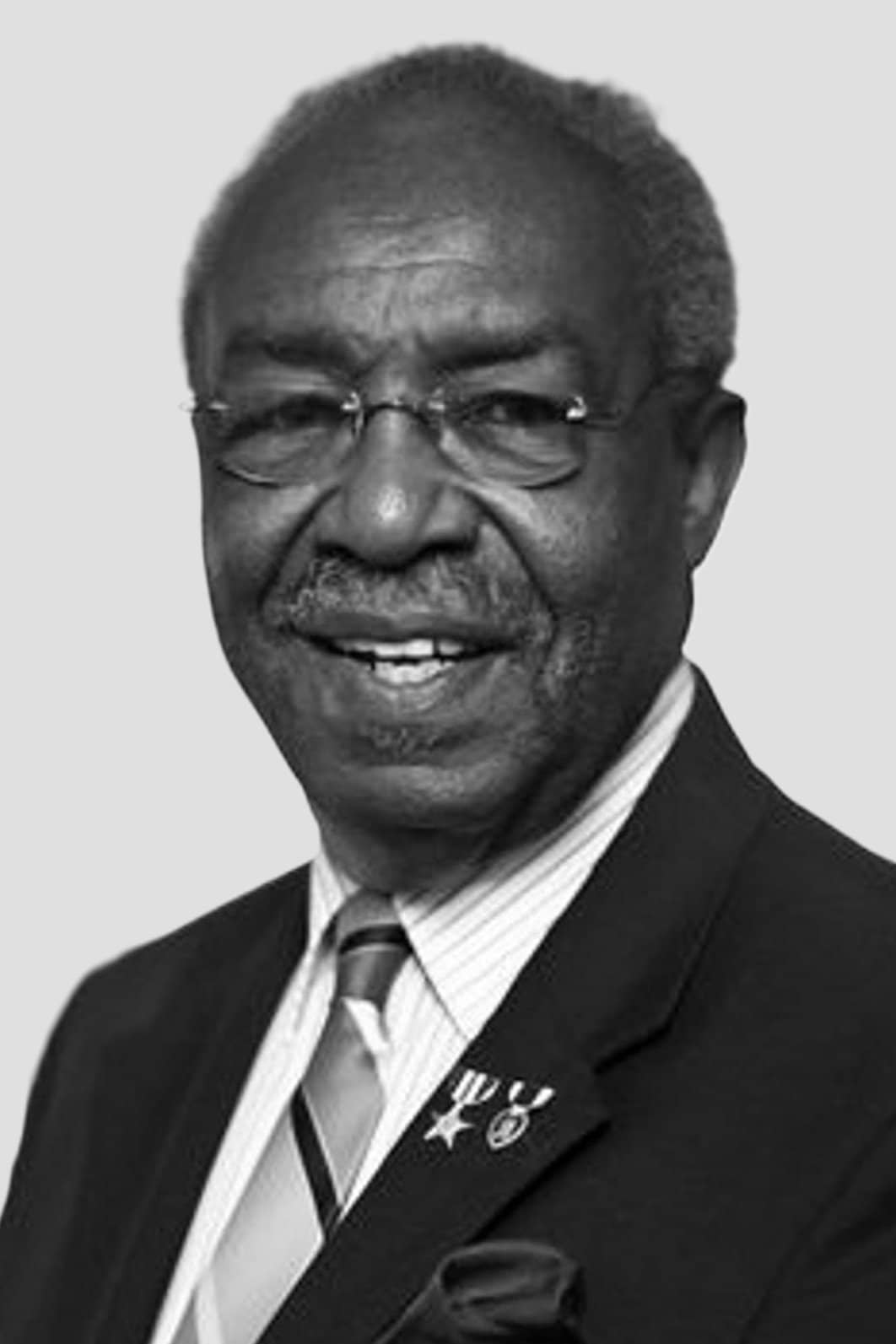
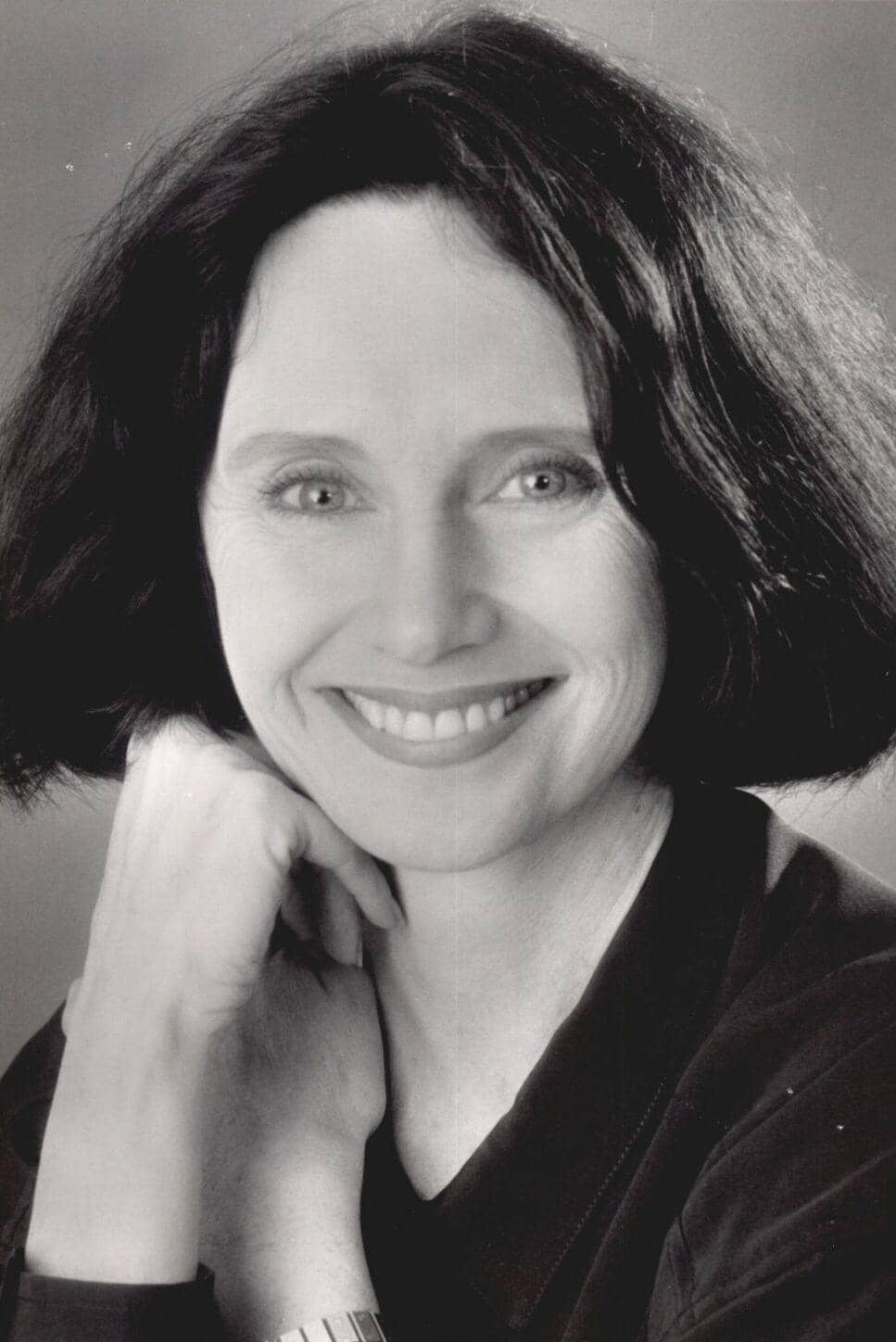
The cast of 2010 includes John Lithgow as Dr. Walter Curnow, Helen Mirren as Tanya Kirbuk, Taliesin Jaffe as Christopher Floyd, Bob Balaban as Dr. R. Chandra, Herta Ware as Jessie Bowman, Robert Lesser as Dr. Hirsch, Keir Dullea as Dr. David Bowman, Douglas Rain as HAL 9000 (voice), Roy Scheider as Dr. Heywood Floyd, Madolyn Smith Osborne as Caroline Floyd, Savely Kramarov as Dr. Vladimir Rudenko, James McEachin as Victor Milson, and more.
The duration of 2010 is 1h 56 mins.
Yes. 2010 has 4 trailers on Fanbiz, including 2010: The Year We Make Contact Trailer (Redone in 1080p). Watch them on this page.
You can watch 2010 on Amazon Video (Rent). Check this Fanbiz page for the latest platforms.
2010 was released on 06 Dec 1984.
2010 is listed under Thriller and Science Fiction on Fanbiz.
2010 has 2 reviews on Fanziz, with an average rating of 7.0/10. One reviewer wrote: "_**Another trip to Jupiter to find answers**_ After the mysterious failure of the Discovery One mission to Jupiter in 2001, Dr. Heywood Floyd (Roy Scheider) resigned his posi..."
