

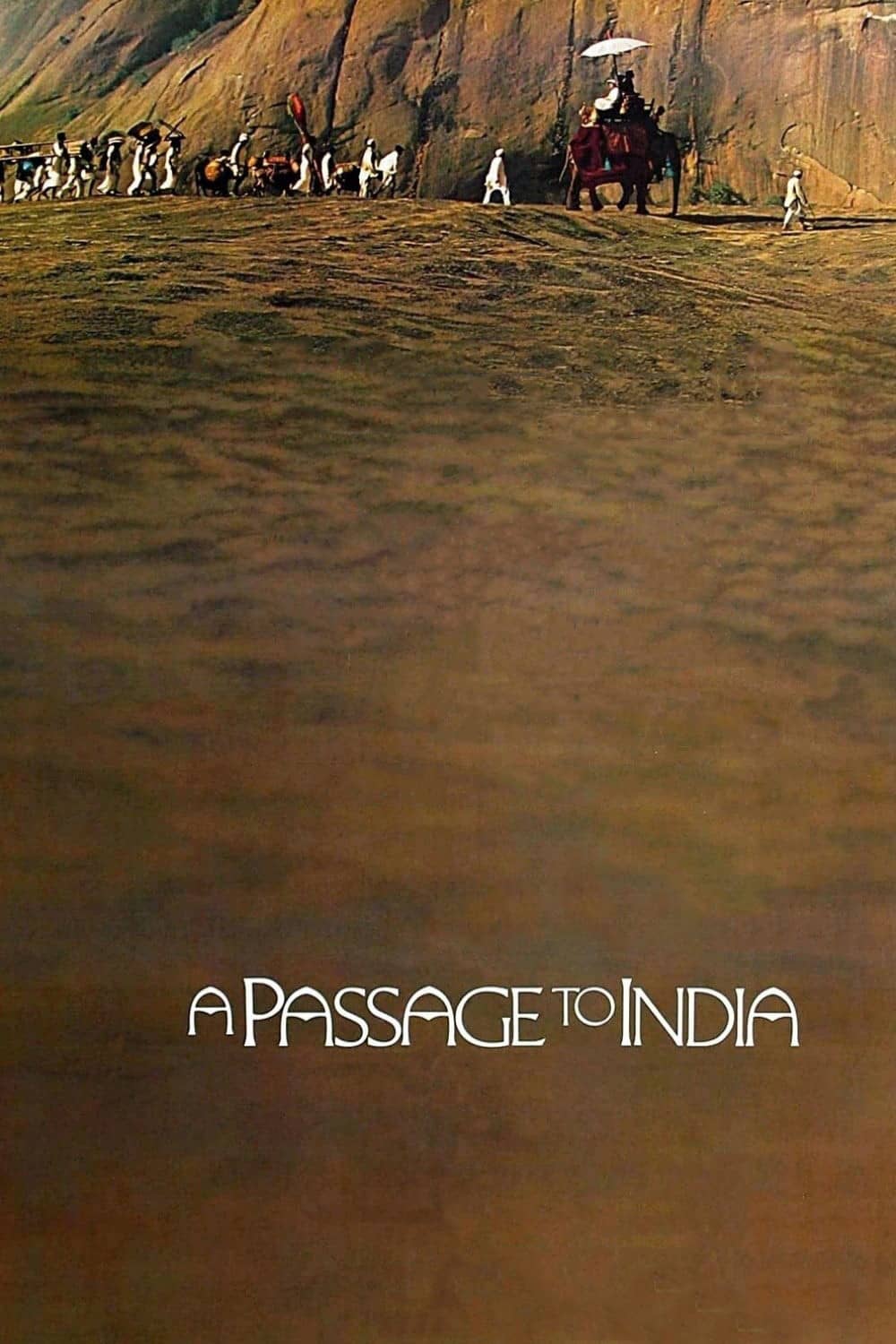
A Passage to India
In British colonial India, cultural mistrust and false accusations tear apart a friendship linking an Indian doctor, an Englishwoman betrothed to a city magistrate, and an English educator.
Director(s)
David Lean
Maggie Unsworth
Where to watch

MGM Plus Amazon Channel
Subscription

Amazon Video
Rent
Cast & Crew

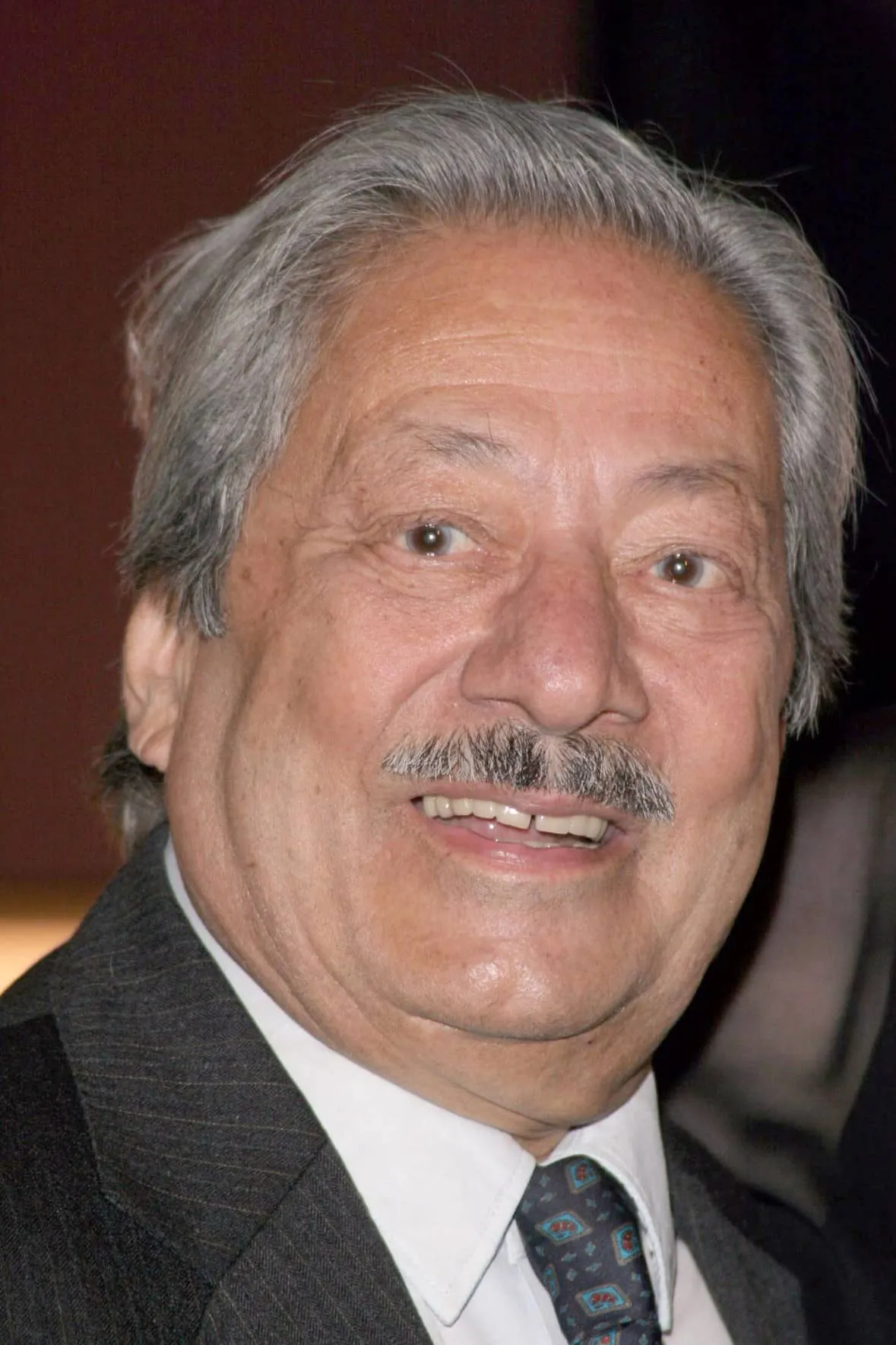
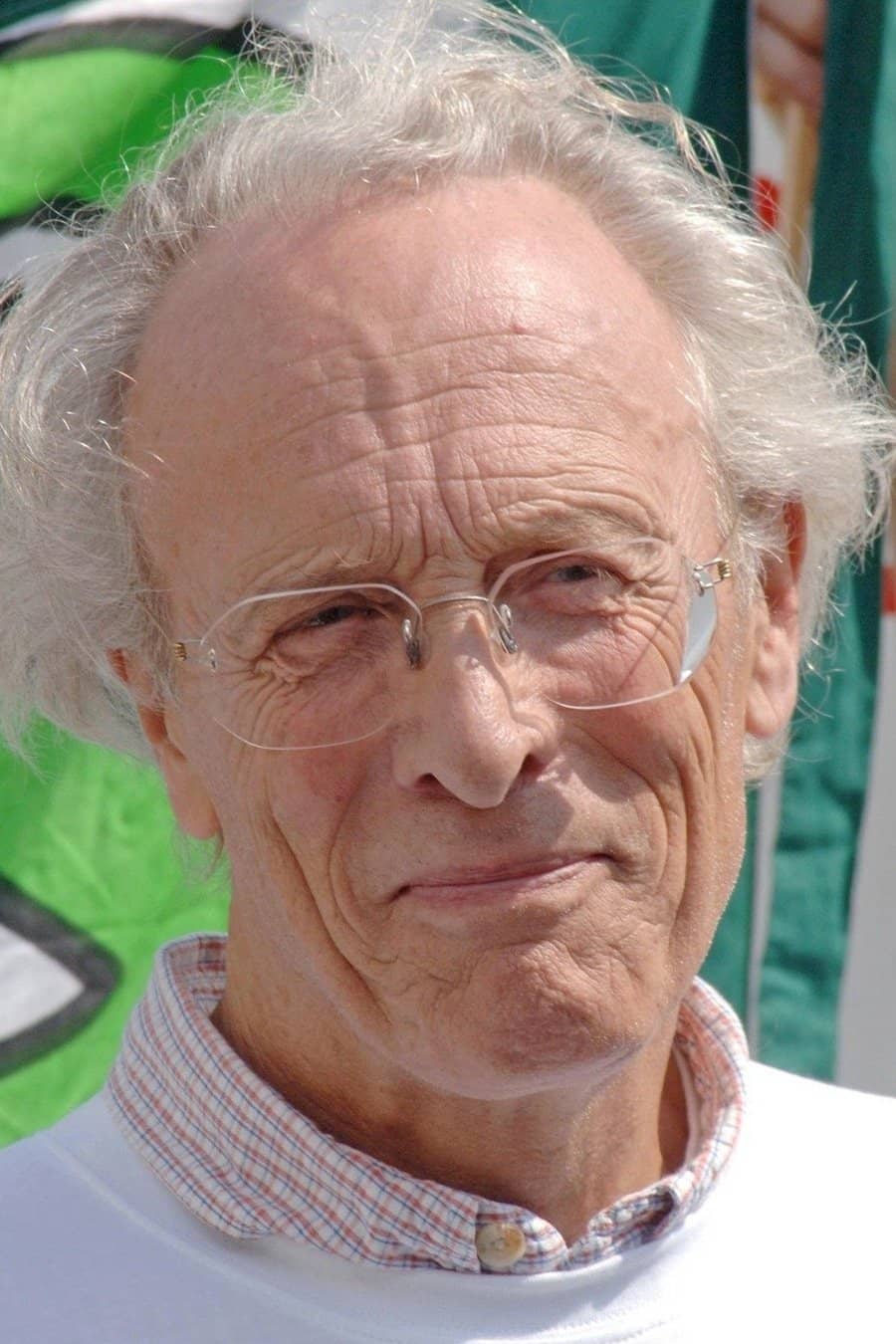
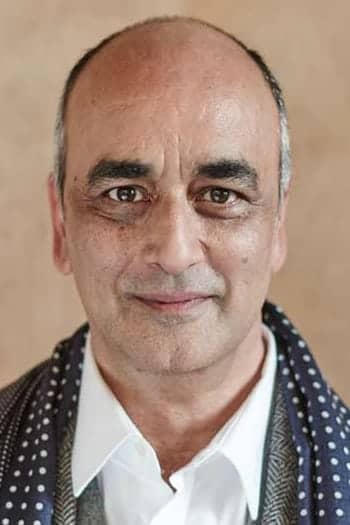

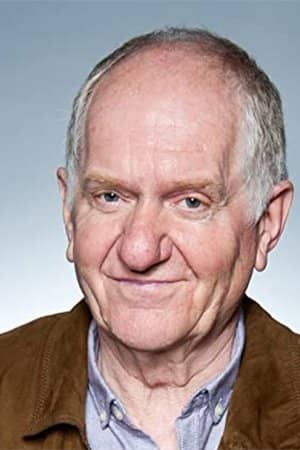
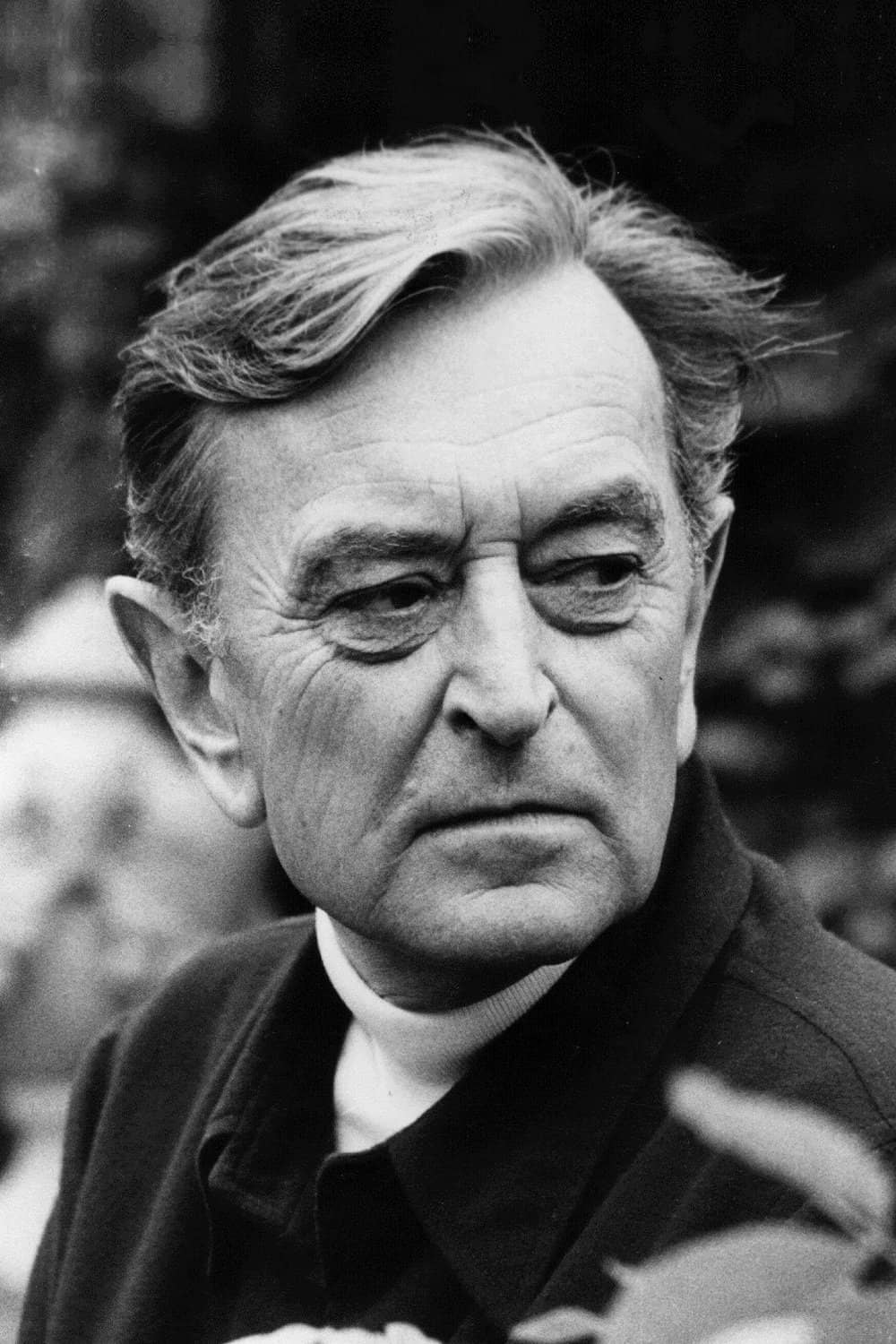
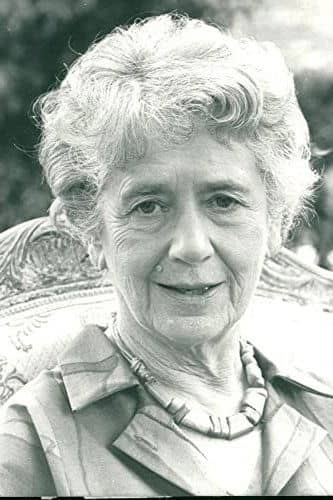

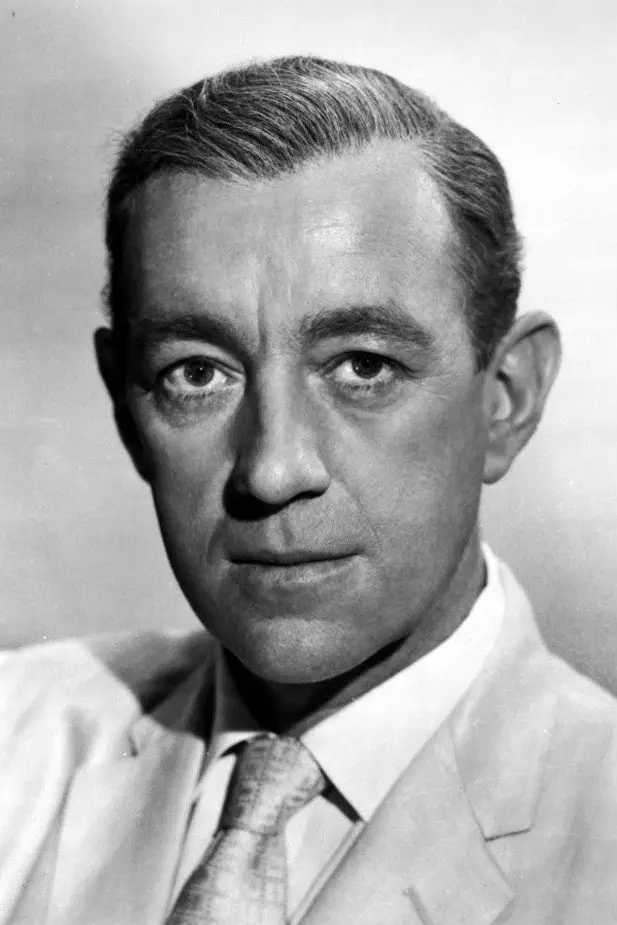


Details

Reviews
Filipe Manuel Neto
**Although the film does justice to the colorful and rich Indian universe, it is a missed opportunity given the poor script construction.** This film is the last of director David Lean's career, a filmmaker who gave us a series of good films, being “Lawrence of Arabia” and “Doctor Zhivago” the best of all, for me. Here, the filmmaker brings us an adaptation of a novel I've never read, but which must be quite good: set in India during the interwar period, the story begins with the arrival of two Englishwomen, one of whom, Miss Quested, is engaged to a local English judge. Over time, they befriend Aziz, a Muslim doctor. Quested already had the will to live something adventurous, to feel the taste of India, but was always disappointed by her compatriots, who labeled Indians and preferred to emulate, in that country, the habits and environments of British society, without any “dangerous” mixture with people of a "darker race" and more "barbaric" culture. Finally, Quested gets Aziz to prepare an exploration on some distant caves, but the trip goes wrong, something happens, and Quested goes to accuse Aziz of attempted rape. I think that the film turns out to be a rather weak adaptation: dazzled by the oriental environments, Lean missed the most incisive themes of the plot: the ethnocentric relationship, full of prejudices and mutual mistrust, between the English and Indians; the political issue of Indian independence (which becomes relevant as the plot evolves); the mystery surrounding what really happened between Quested and Aziz, since the novel never clarifies whether her accusation is true. These themes are very poorly aligned by the script: in the film, it is obvious that Aziz is innocent, and Quested is turned into a frivolous, amorphous and unhappy woman, unsure of what she wants from her life and desirous of a strong emotion that social conventions don't allow her; secondly, the script never values the independence issue, turning it into a footnote, merely contextual; thirdly, despite the fact that the film deals quite well with British racist ethnocentrism, it almost does not address the way in which Indians saw the British, and the way in which they felt offended by their excesses. Everything is very relativized. In addition to the script problems, the film is also excessively long. Everything is stretched to the maximum, and many minutes are lost in magnificent and well done scenes that add nothing to the story. A lot of time is lost, even, in rather frivolous dialogues, while the legal battle, the most interesting part of the film, is secondary. And instead of the film ending right after the final decision, with a few scenes that enclose the fate of the characters, the film still stretches for a barren half hour, until an anticlimactic and uninteresting ending. The actors do what they can, and we have some good efforts here: Victor Banerjee is the most eminent actor, the most magnetic and charismatic figure, showing us the evolution of his character's ideas, whose opinion of the British gradually degrades with the events. Peggy Ashcroft also made a good effort, but the script sidelined her to the point of becoming an accessory. The same can be said of Sir Alec Guiness, wasted on a marginal work of no particular relevance. James Fox appears more or less in the middle and the plot suggests that the character will walk a certain path, but the ending is not quite as expected. Judy Davis, despite the hard work, has a terrible and extremely unpleasant character, so the actress's effort is not fruitful. It is in the more technical details that Lean shows his worth, for the rich and elegant cinematography, magnificently colored, which is complemented by the excellent sets, costumes and the careful choice of filming locations, which emphasize the exotic and mysterious side of India. The crowded market scenes, or those erotic ruins, are clear examples of what I mean. We just missed the smells! The worst is even Maurice Jarre's soundtrack. It's perfectly inappropriate and gives the film an unpleasant comedic environment.
CinemaSerf
Sir David Lean has produced a spectacular piece of cinema in this lengthy adaptation of the E.M. Forster tale of the Raj. "Mrs. Moore" (Dame Peggy Ashcroft) is travelling to visit her son in India, accompanied by Judy Davis "Adela". They arrive to discover a society riddled with division and bigotry. After spending time at establishment events, they decide to experience a little of the traditional culture. With the help of "Aziz" (a superb Victor Banerjee) - a local doctor, they visit the legendary Marabar caves. There, something untoward happens - "Adela" rushes back to the city in a dishevelled state and "Aziz" finds himself in jail accused of an heinous crime. To be honest, the story isn't one of Forster's best but Lean has assembled a strong supporting cast including Sir Alec Guinness, James Fox with Nigel Havers and Richard Wilson epitomising the ignorance of the occupying power well. I found that the editing (again, done by Lean) missed the sharpness of someone like Anne V. Coates - a few too many scenic cutaways. That said, the major redeeming feature is the spectacular scale of the film; not just the scenery but the crowds and the score from Maurice Jarre. It isn't anywhere near as visceral as "Bridge on the River Kwai" nor the characters as good as "Lawrence of Arabia" but it is still a stunning film well worth a watch.
All Trailers

A Passage to India FAQs
The directors of A Passage to India are David Lean and Maggie Unsworth.
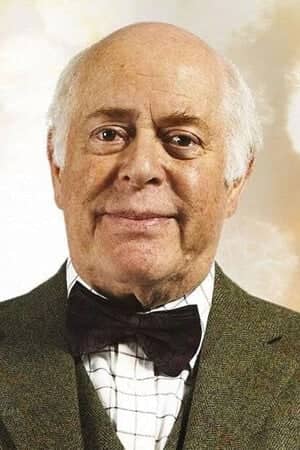
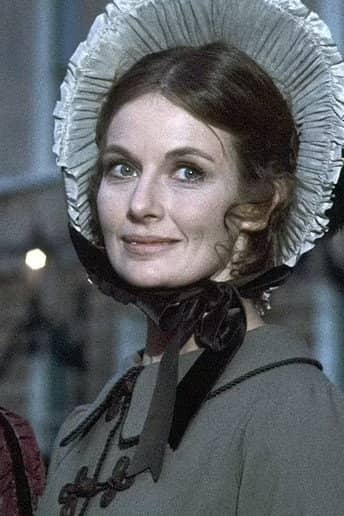
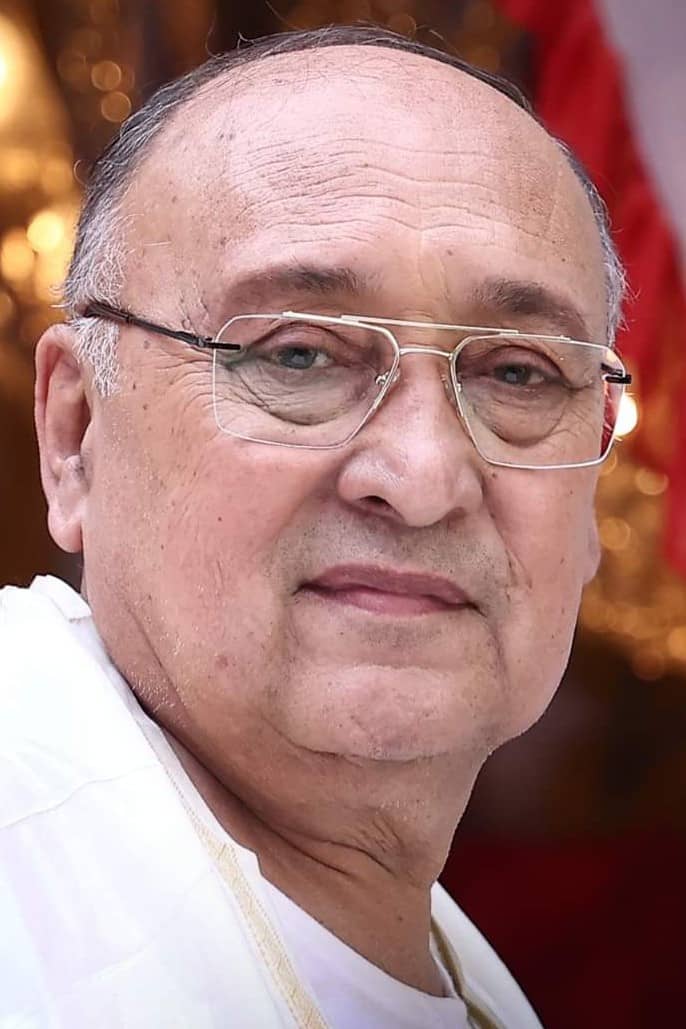
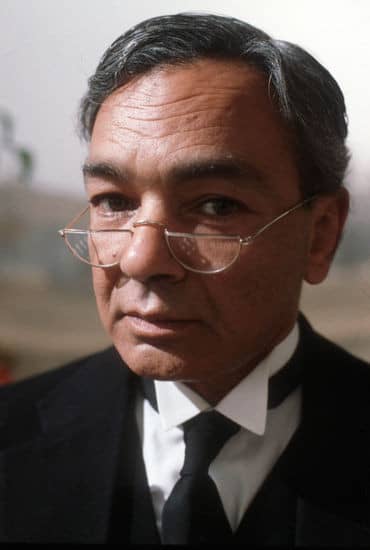
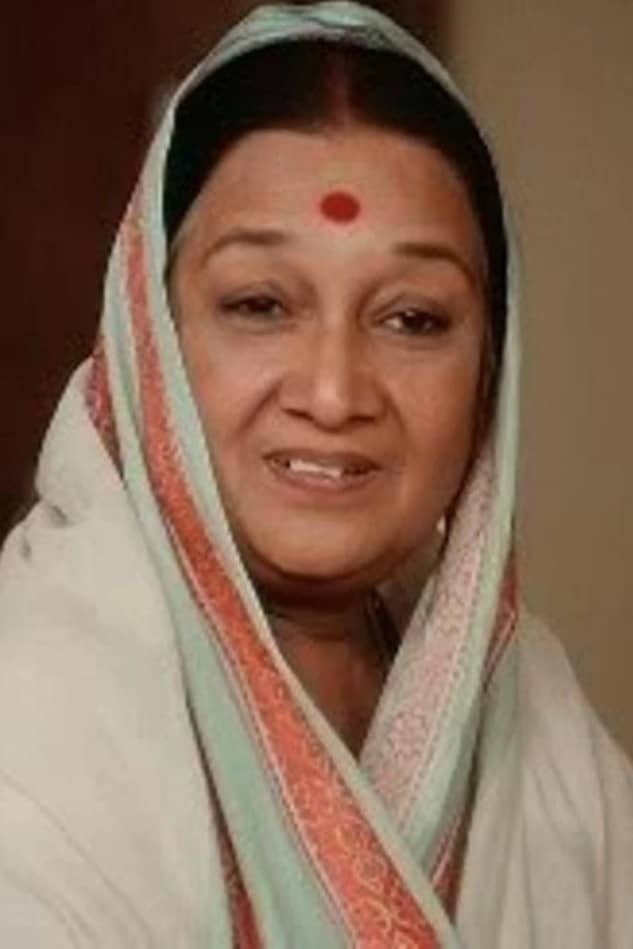
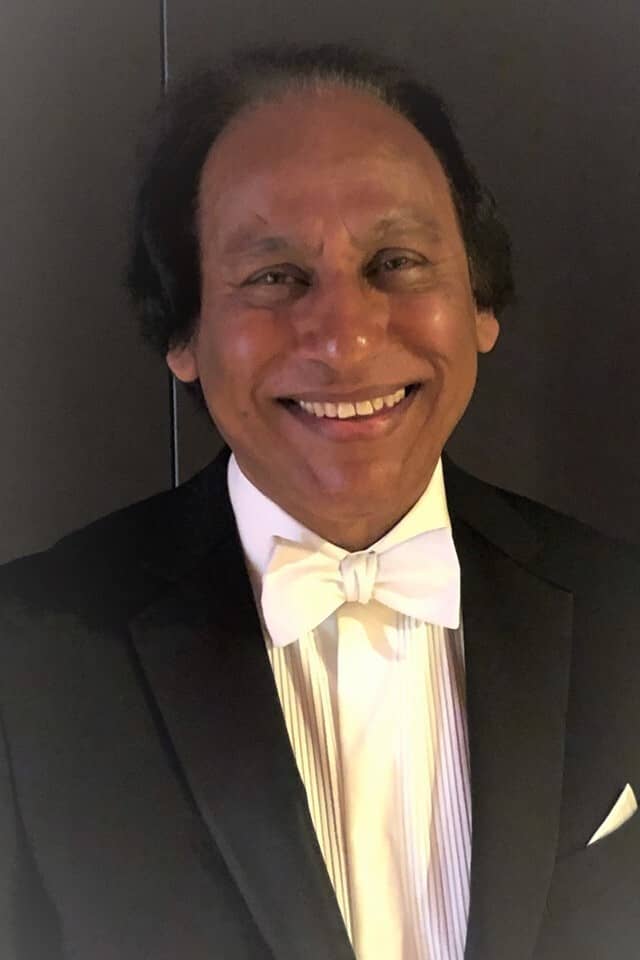
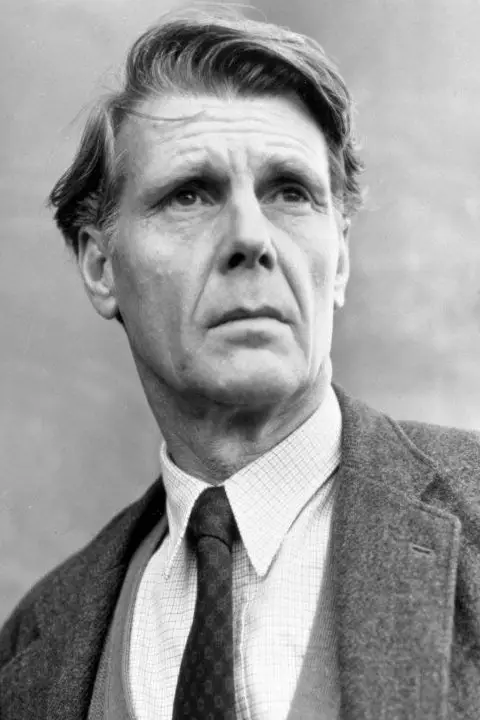
The cast of A Passage to India includes Roshan Seth as Amritrao, Saeed Jaffrey as Hamidullah, Michael Culver as Major McBryde, Art Malik as Mahmoud Ali, Judy Davis as Adela Quested, Duncan Preston as Club Member (Uncredited), Peggy Ashcroft as Mrs. Moore, Moti Makan as Guide, Alec Guinness as Professor Godbole, Nigel Havers as Ronny Heaslop, Clive Swift as Major Callendar, Sally Kinghorn as Ingenue, and more.
The duration of A Passage to India is 2h 43 mins.
Yes. You can watch the A Passage to India trailer on this Fanbiz page on Fanziz.
You can watch A Passage to India on MGM Plus Amazon Channel (Subscription) and Amazon Video (Rent). Check this Fanbiz page for the latest platforms.
A Passage to India was released on 14 Dec 1984.
A Passage to India is listed under Drama, Adventure, and History on Fanbiz.
A Passage to India has 2 reviews on Fanziz, with an average rating of 5.5/10. One reviewer wrote: "**Although the film does justice to the colorful and rich Indian universe, it is a missed opportunity given the poor script construction.** This film is the last of director..."
