

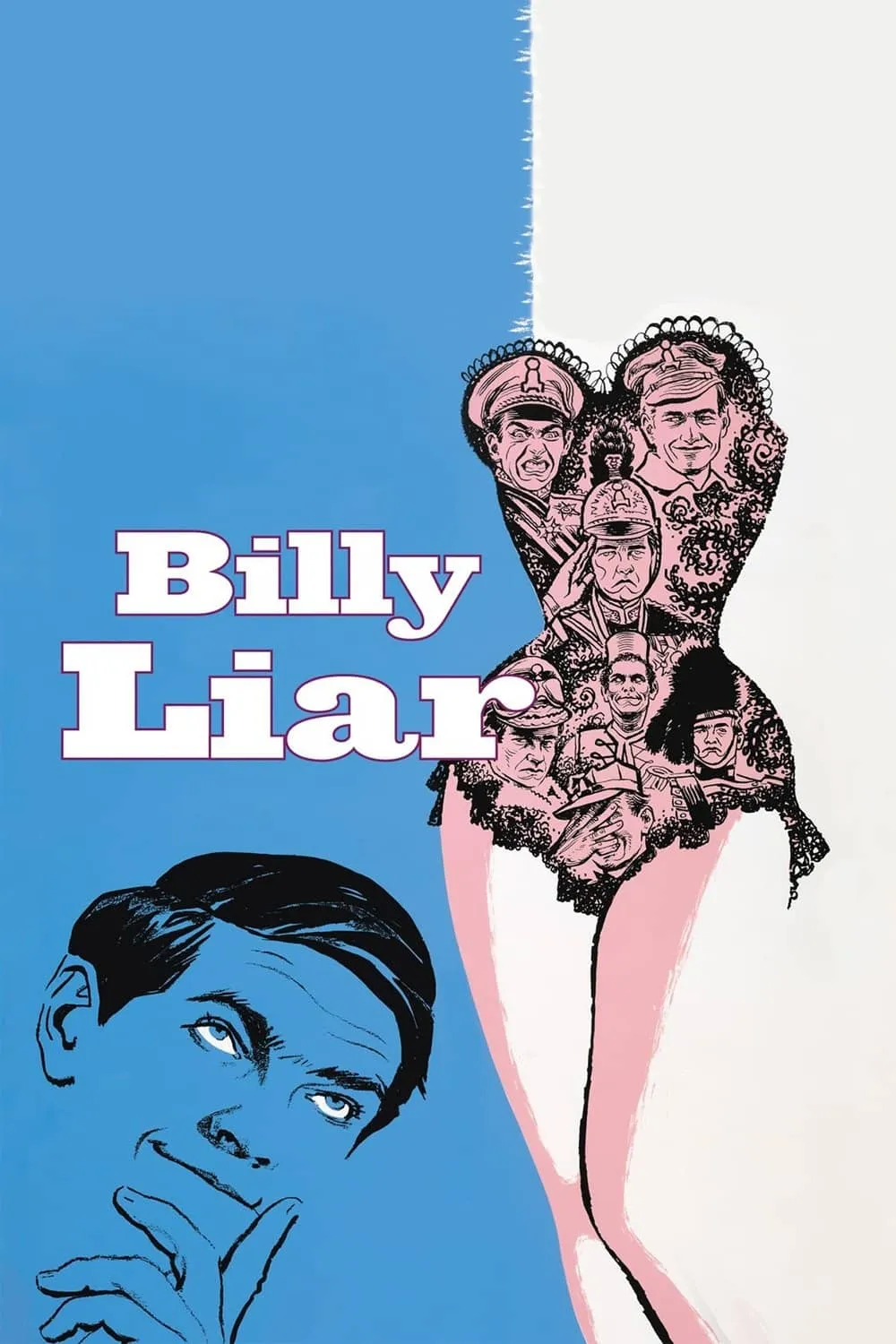
Billy Liar
A young Englishman dreams of escaping from his working class family and dead-end job as an undertaker's assistant. A number of indiscretions cause him to lie in order to avoid the penalties. His life turns into a mess and he has an opportunity to run away and leave it all behind.
Director(s)
John Schlesinger
Frank Ernst
Jim Brennan
Pamela Mann
Cast & Crew


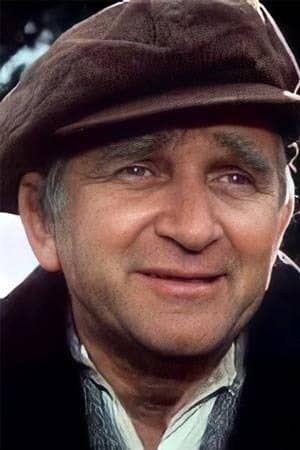
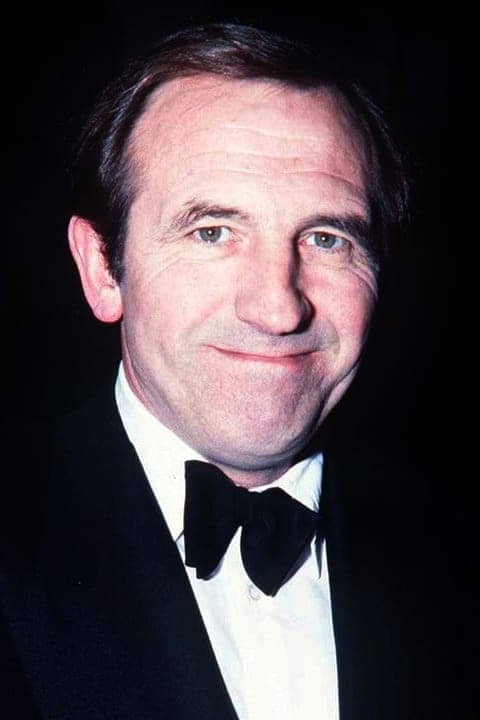


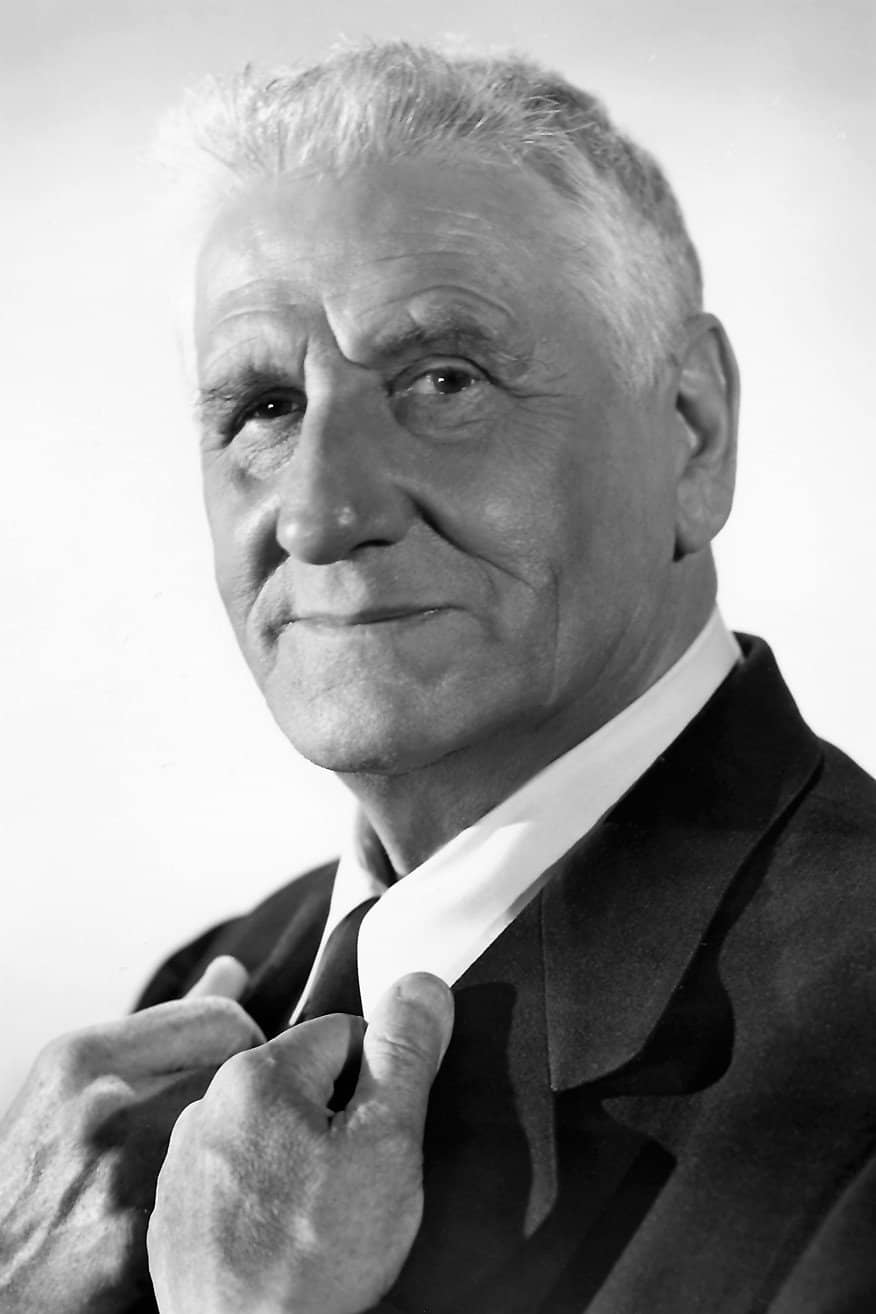
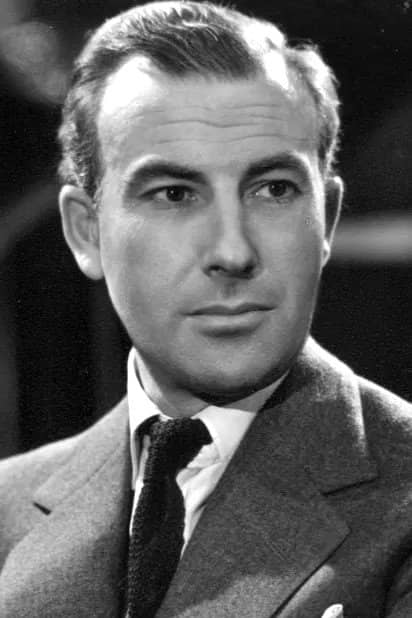








Details

Reviews
CinemaSerf
Tom Courtenay is "Billy", a lad whose grasp on reality is, well, tenuous. In his dreams, he is a brave and valiant life-saving sort of fellow. In real life he is a lowly clerk who works for a funeral director and lives with his increasingly exasperated parents. His problems only increase as he struggles to differentiate between his real life and that in his fictional land of "Ambrosia" and as his fantasies develop, he becomes more and more alienated from those around them. In the end, it is really only the happy-go-lucky "Liz" (Julie Christie) who might be capable of offering him a yellow brick road back to his, admittedly, rather dreary and relentless reality. Her imminent relocation from provincial Yorkshire to London might offer him salvation - but he will have to choose, and be brave - as brave as he is, on a daily basis, in his far away land. This is a tightly cast self-adaptation of Keith Waterhouse's play and with a strong supporting cast from Wilfred Pickles and Mona Washbourne we are quickly immersed in his dual existences in a fashion that is both entertaining and disconcerting. Clearly the young "Billy" is ill - but at a time when any form of mental health issues were stigmatised if acknowledged at all, and we cannot help but sympathise with the frustrated parents and with the young man himself. Christie is a breath of fresh air - she has a character full of pragmatism, optimism and opportunity that was clearly designed to offer that gust of wind to blow away the fabric of his paper house, and John Schlesinger allows the characterful performances and this most human of stories to thrive with a minimum of distraction. Courtenay and Christie are at the top of their games here, and as a study of aspects of human nature as yet largely unexplored by cinema, this is a fine example.
CRCulver
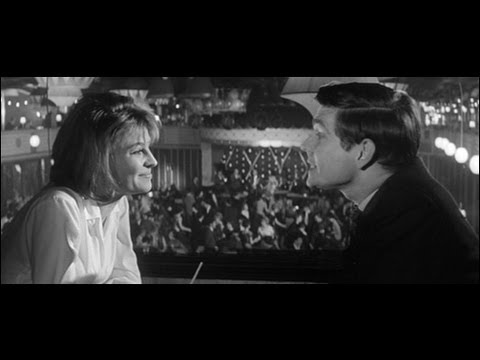
<i>Billy Liar</i> is a 1963 British film that captures the monumental changes of the era: the sexual revolution and the destruction of England's old town centres in modernisation schemes. In Bradford, Yorkshire young Billy Fisher (Tom Courtenay) is working a soul-crushing job in a funeral home and suffering daily the derision of his elderly parents. His only escape from this drudgery is his active imagination, where he imagines himself leader of his own country and misleads other townspeople about his family's situation with little fibs. His propensity to make things up and shrug off his responsibilities, however, leads him to end up dating two women at the same time (Helen Fraser and Gwendolyn Watts), though ultimately he dreams of escaping with the liberated Liz (Julie Christie). As a snapshot of Britain at a particular time, this is a valuable film. As background to Fisher's own personal struggles, the camera often shows wrecking balls smashing down the walls of old homes, and at one point a town councillor marks an entire swath of the city for demolition. A scene at a dance club captures the growing influence of rock 'n' roll on Britain. Old class tensions persisted, however, though American audiences might not entirely get this as it is often suggested only by characters' particular accents. The ending is a letdown though, essentially saying that young people should give up their silly dreams and give in to their parents' demands. This moral lesson was entirely overturned by the youth revolution that erupted through the Sixties. As the UK saw full employment through that decade, young people could take the risk of following their dreams even if it meant a rupture with their families and hometowns. Nonetheless, the comedic approach in the film makes it entertaining almost throughout, and I'd recommend that anyone see it at least once.
All Trailers

Media engagement

Billy Liar FAQs
The directors of Billy Liar are John Schlesinger, Frank Ernst, Jim Brennan, and Pamela Mann.
The cast of Billy Liar includes Bryan Mosley as Bit Part (uncredited), James Payne as Man in Station Cafe (uncredited), Jim Brady as Prisoner Escort (uncredited), Margaret Lacey as Mrs. Matthieson (uncredited), Patrick Barr as Inspector MacDonald, Robin Parkinson as Jeweller's Assistant (uncredited), Leonard Rossiter as Emanuel Shadrack, Julie Christie as Liz, Ethel Griffies as Grandma Florence, Finlay Currie as Duxbury, Ernest Clark as Prison Governor, George Spence as Man in Crowd (uncredited), and more.
The duration of Billy Liar is 1h 38 mins.
Yes. You can watch the Billy Liar trailer on this Fanbiz page on Fanziz.
Billy Liar was released on 15 Aug 1963.
Billy Liar is listed under Comedy, Romance, and Drama on Fanbiz.
Billy Liar has 2 reviews on Fanziz, with an average rating of 6.0/10. One reviewer wrote: "Tom Courtenay is "Billy", a lad whose grasp on reality is, well, tenuous. In his dreams, he is a brave and valiant life-saving sort of fellow. In real life he is a lowly clerk w..."
