


Broken Embraces
Harry Caine, a blind writer, reaches this moment in time when he has to heal his wounds from 14 years back. He was then still known by his real name, Mateo Blanco, and directing his last movie.
Director(s)
Javier Giner
Yuyi Beringola
Pedro Almodóvar
Cecilio Caparrini
Guillermo Escribano
Pablo García
Ferran Rial
Daniel Rivero
Andrea Vázquez
Virginia Lacorzana
Cast & Crew
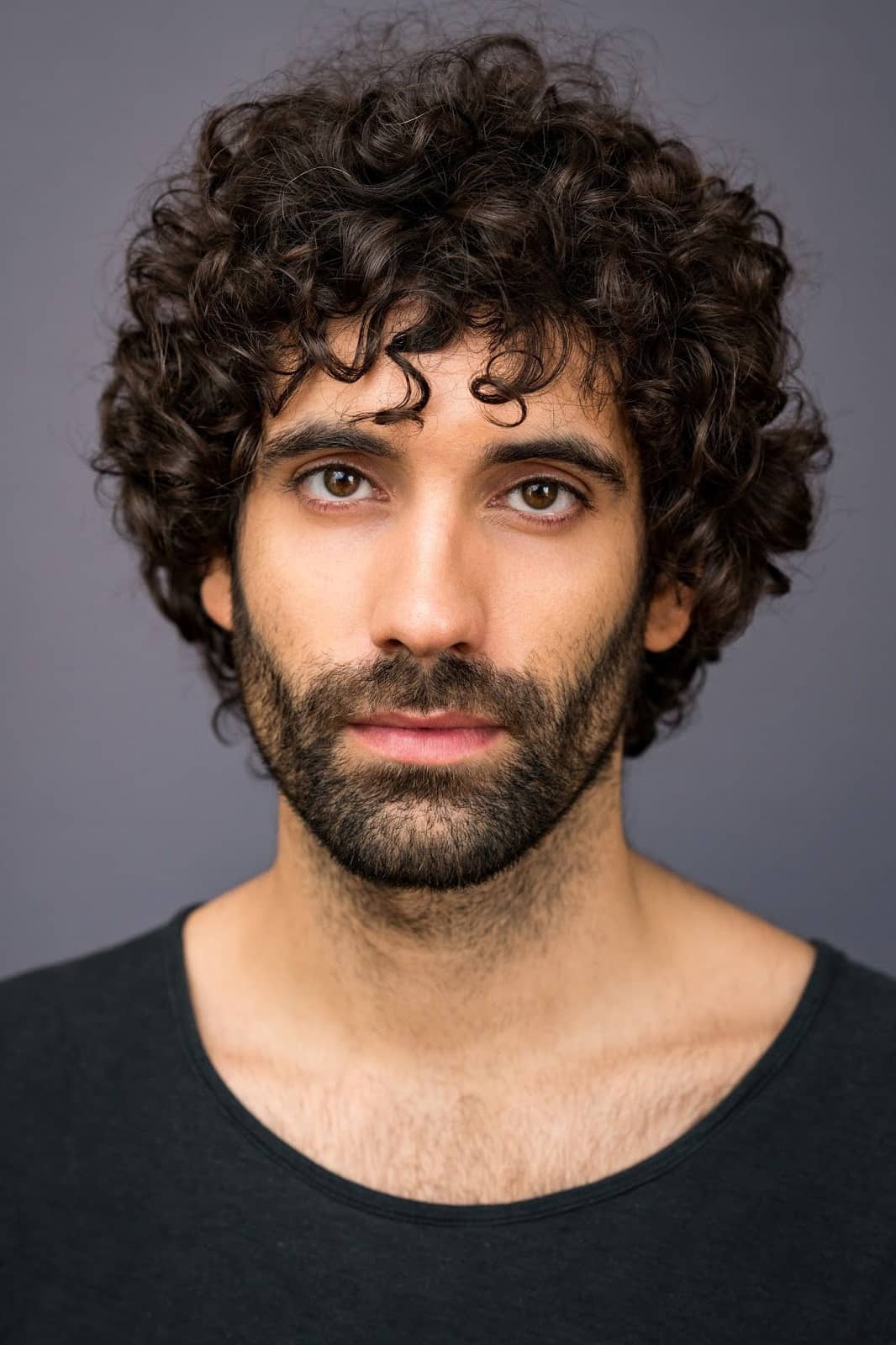
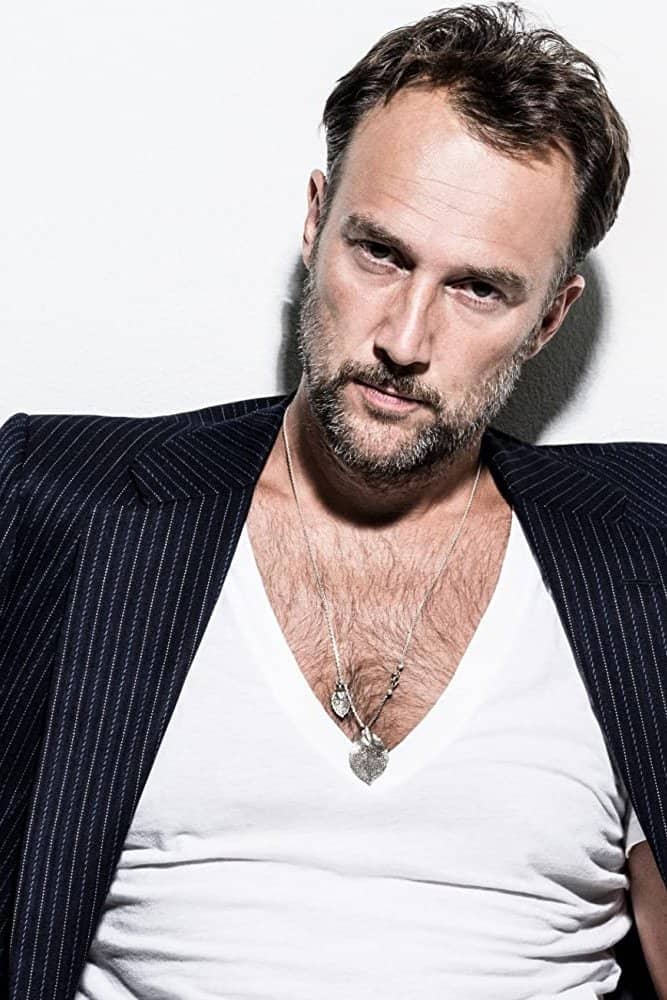
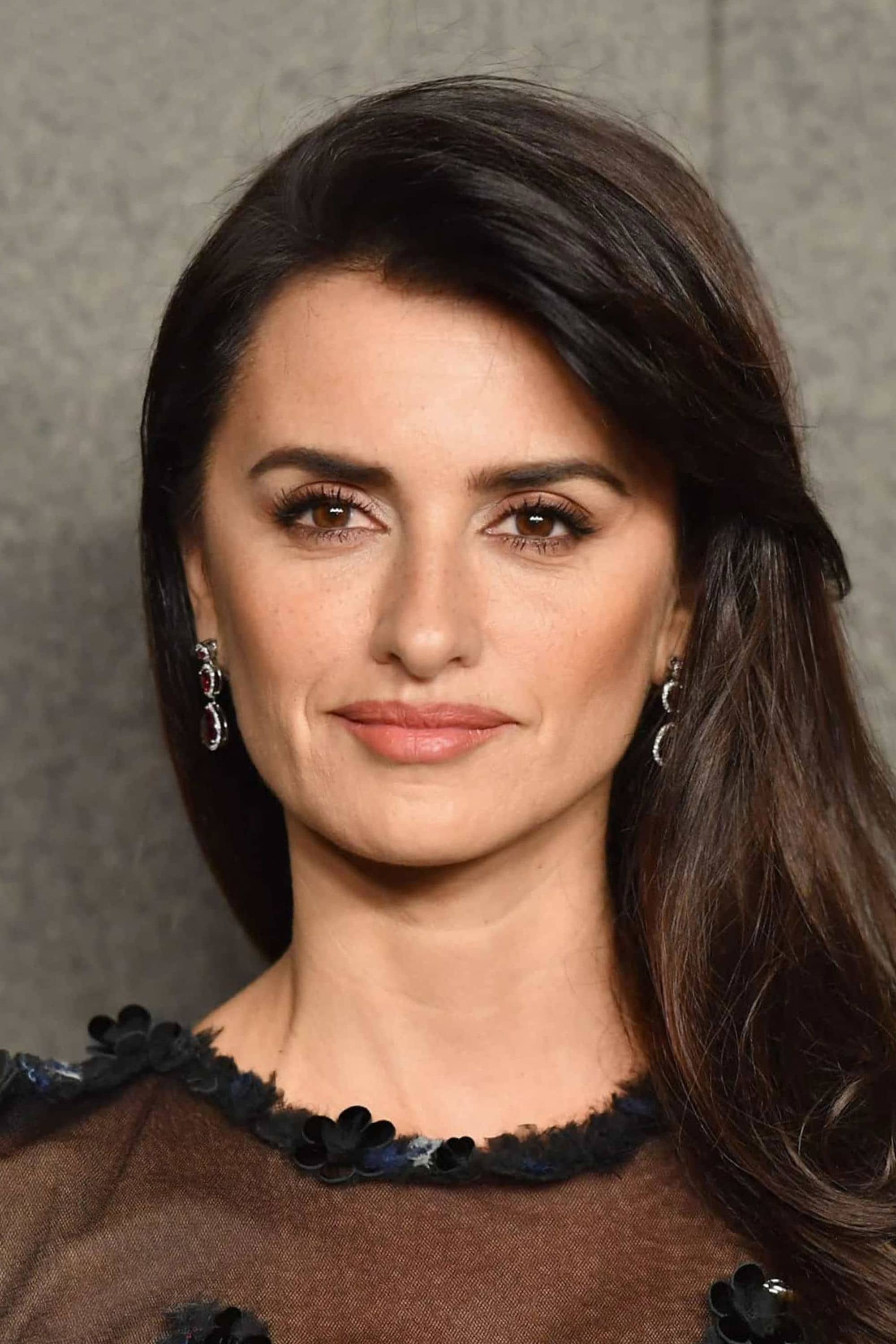
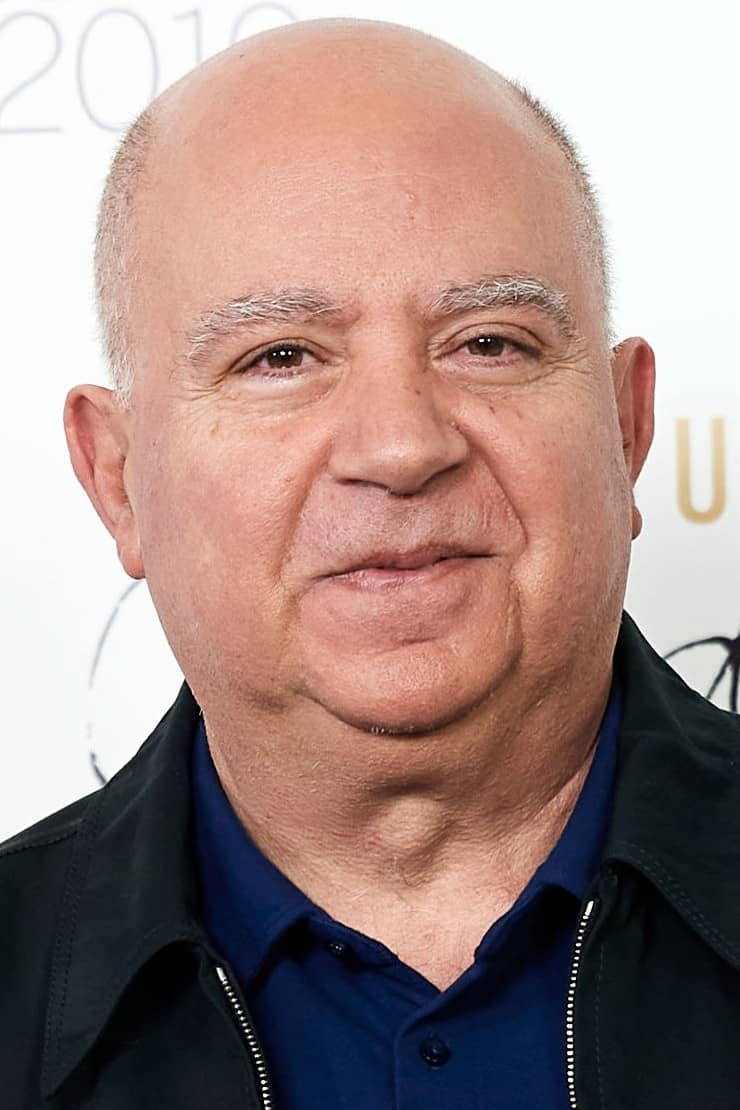




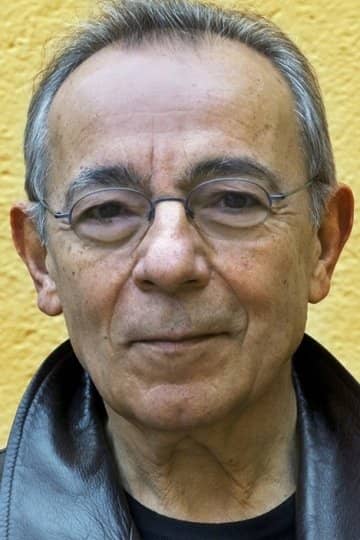
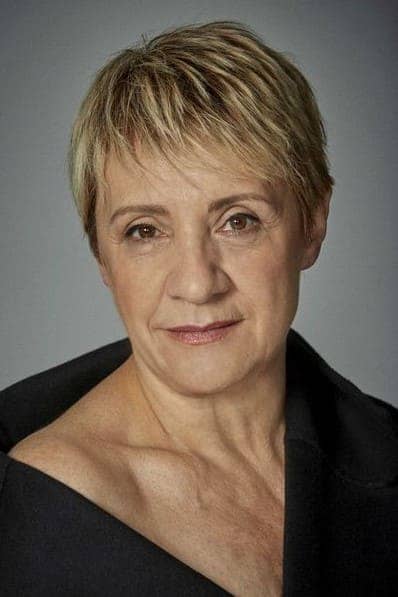
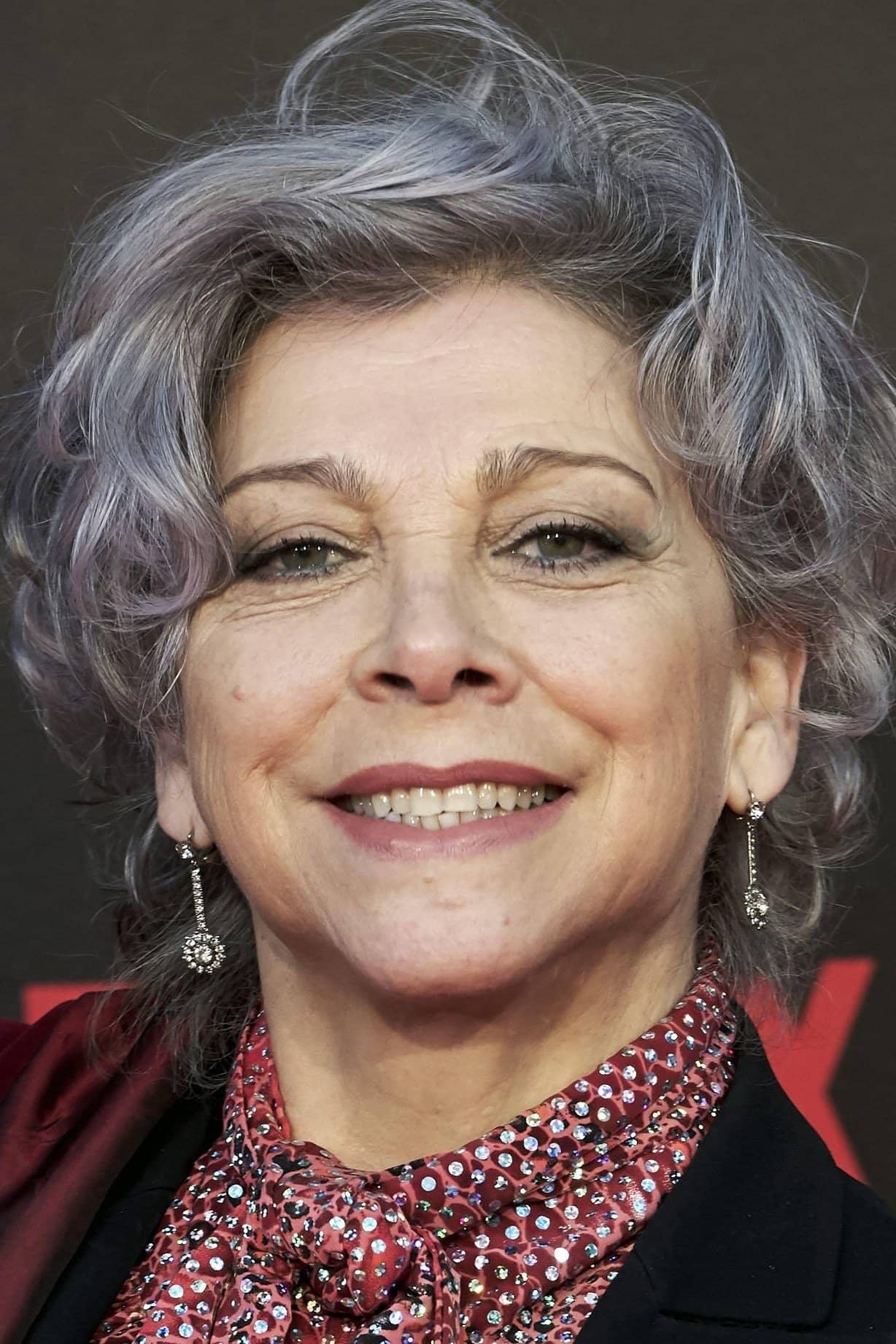
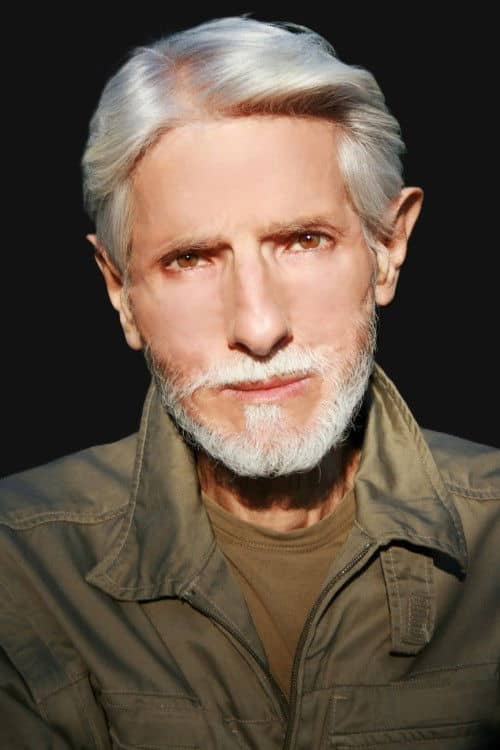

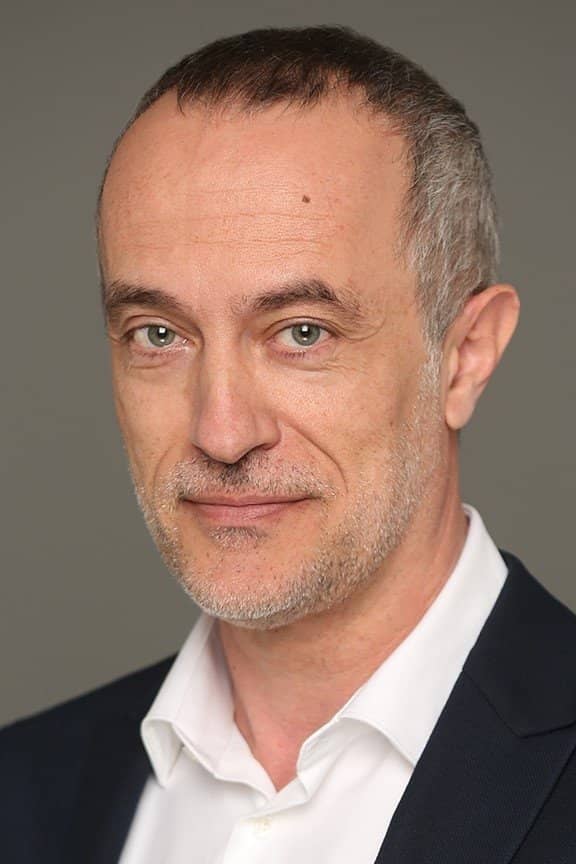
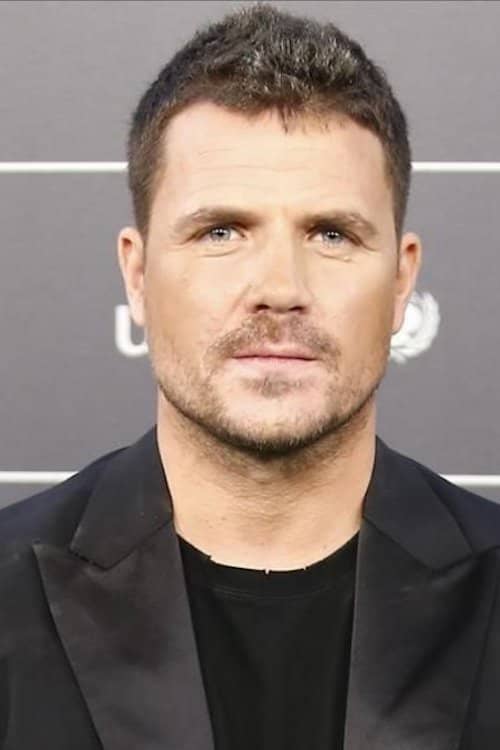
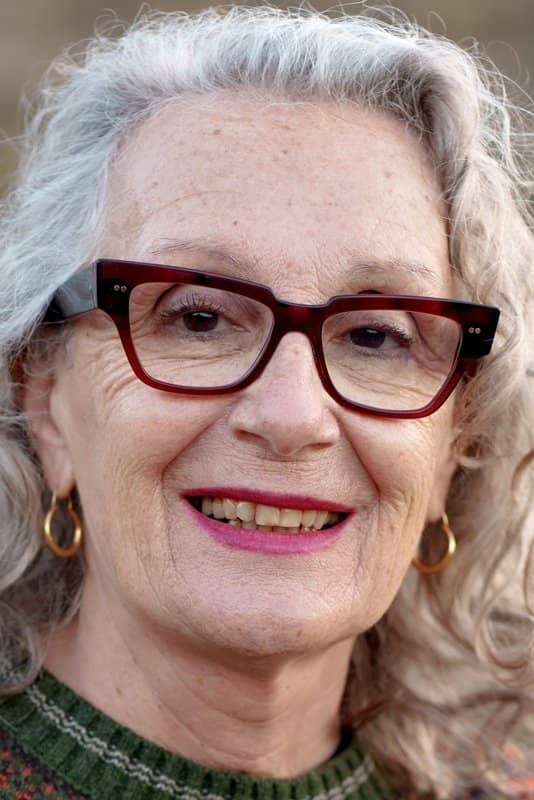
Details

Reviews
badelf
Broken Embraces: Almodóvar's Hitchcockian Love Letter to Cinema In "Broken Embraces," Pedro Almodóvar doesn't so much break new ground as he refines the soil he has long cultivated. Following masterworks like "Talk to Her" and "Volver," this film represents not a revolution but an elegant culmination of the Spanish auteur's preoccupations, filtered through a distinctly Hitchcockian lens. The film unfolds as a complex origami of narrative, with time folding back upon itself to reveal the tragic love story between filmmaker Mateo Blanco and his muse Lena. Here, Almodóvar pays homage to Hitchcock's fascination with voyeurism, doomed romance, and the thin line between creation and destruction. The film's noir elements – jealousy, revenge, hidden identities – feel like deliberate nods to the Master of Suspense, yet remain unmistakably Almodóvarian in their execution. At the center of this kaleidoscopic narrative stands Penélope Cruz, delivering a performance of remarkable complexity. As Lena, she exists simultaneously as object and subject, victim and agent of her own destiny. Cruz accomplishes the seemingly impossible task of projecting emotional transparency while maintaining an enigmatic core – we feel we know Lena intimately yet remain haunted by her fundamental unknowability. It's a testament to Cruz's evolution as an actress under Almodóvar's guidance. The meta-cinematic aspects of "Broken Embraces" – the film-within-a-film, the exploration of directorial vision (and its literal loss), the power dynamics of the creative process – create a hall of mirrors where art and life endlessly reflect one another. Almodóvar seems to be commenting on his own relationship with cinema, suggesting that creation itself is a form of obsessive love. Visually, the film showcases Almodóvar's mastery of color symbolism and compositional precision. Each frame feels deliberately constructed, with his signature vibrant palette serving narrative purpose rather than mere aesthetic pleasure. The contrast between the warm, sensual tones of the love affair and the cooler, more austere palette of the aftermath tells its own emotional story. "Broken Embraces" may not represent a dramatic leap forward in Almodóvar's filmography, but it demonstrates something equally valuable: a master filmmaker confidently synthesizing his influences and obsessions into a work of surprising emotional resonance. Like Hitchcock's later films, it feels like the work of an artist less interested in shocking his audience than in revealing the profound mysteries that have always driven his creative vision.
All Trailers

Broken Embraces FAQs
The directors of Broken Embraces are Javier Giner, Yuyi Beringola, Pedro Almodóvar, Cecilio Caparrini, Guillermo Escribano, Pablo García, Ferran Rial, Daniel Rivero, Andrea Vázquez, and Virginia Lacorzana.
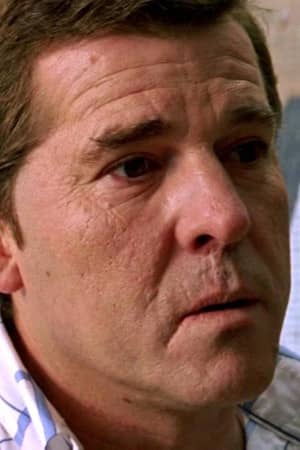
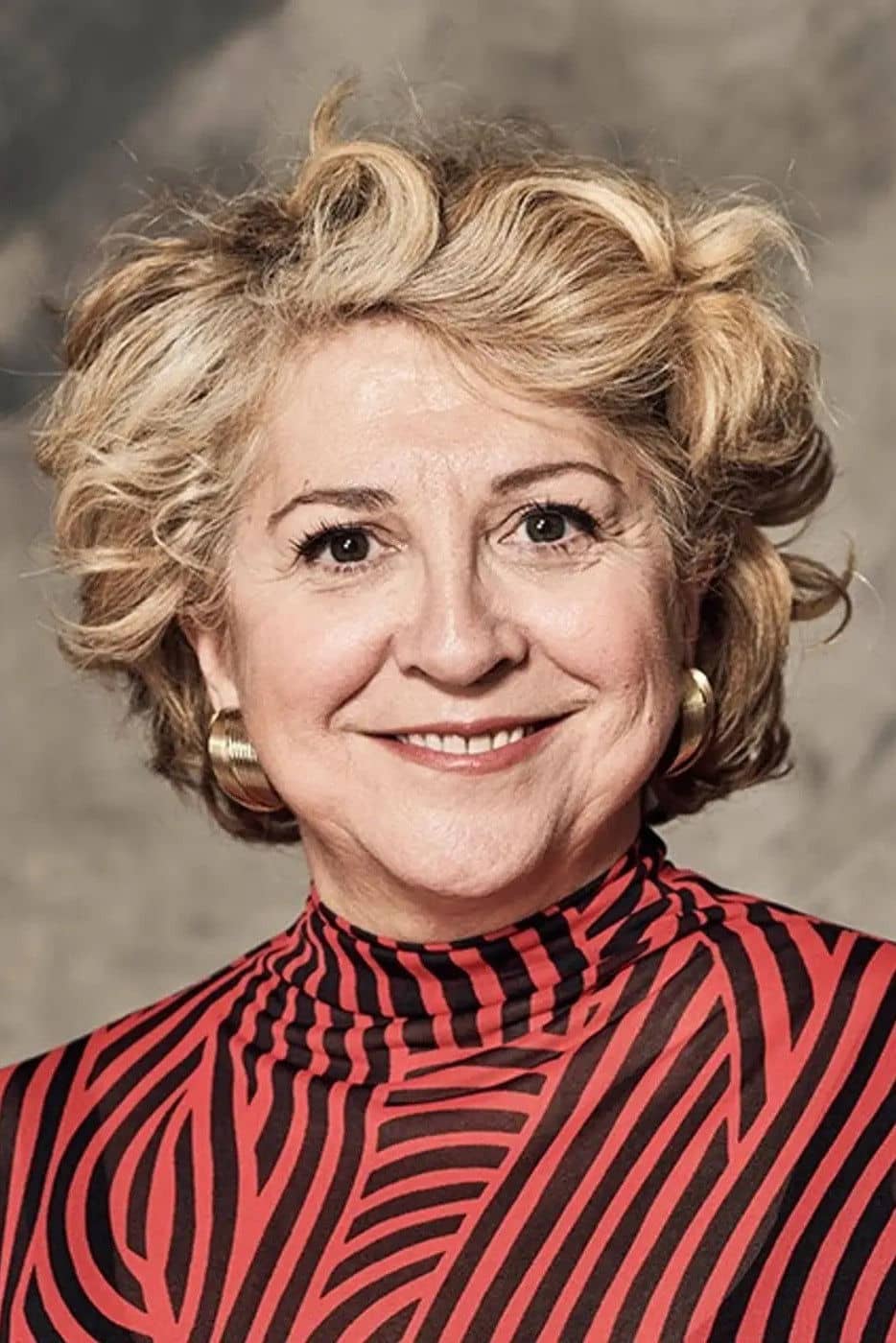
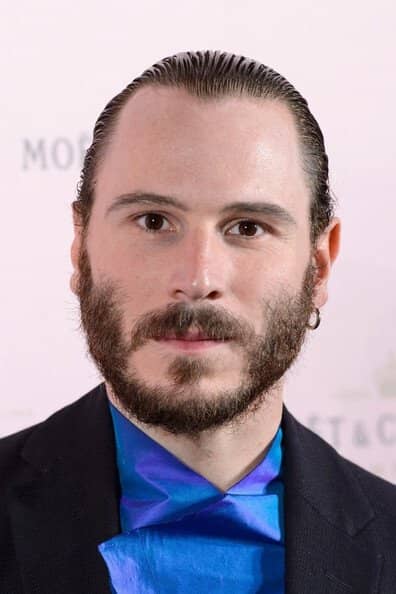
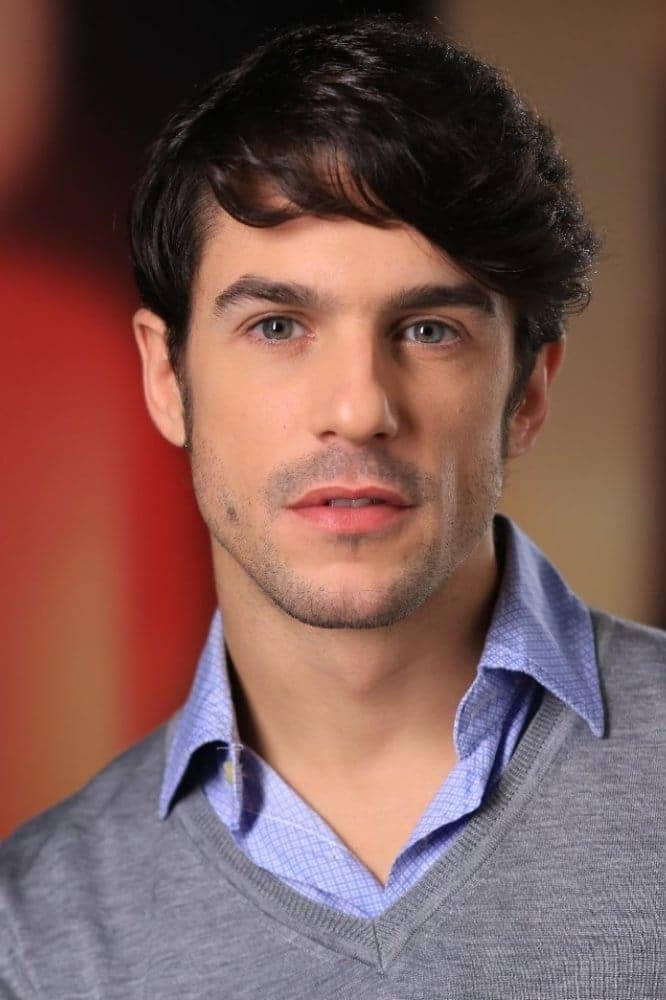
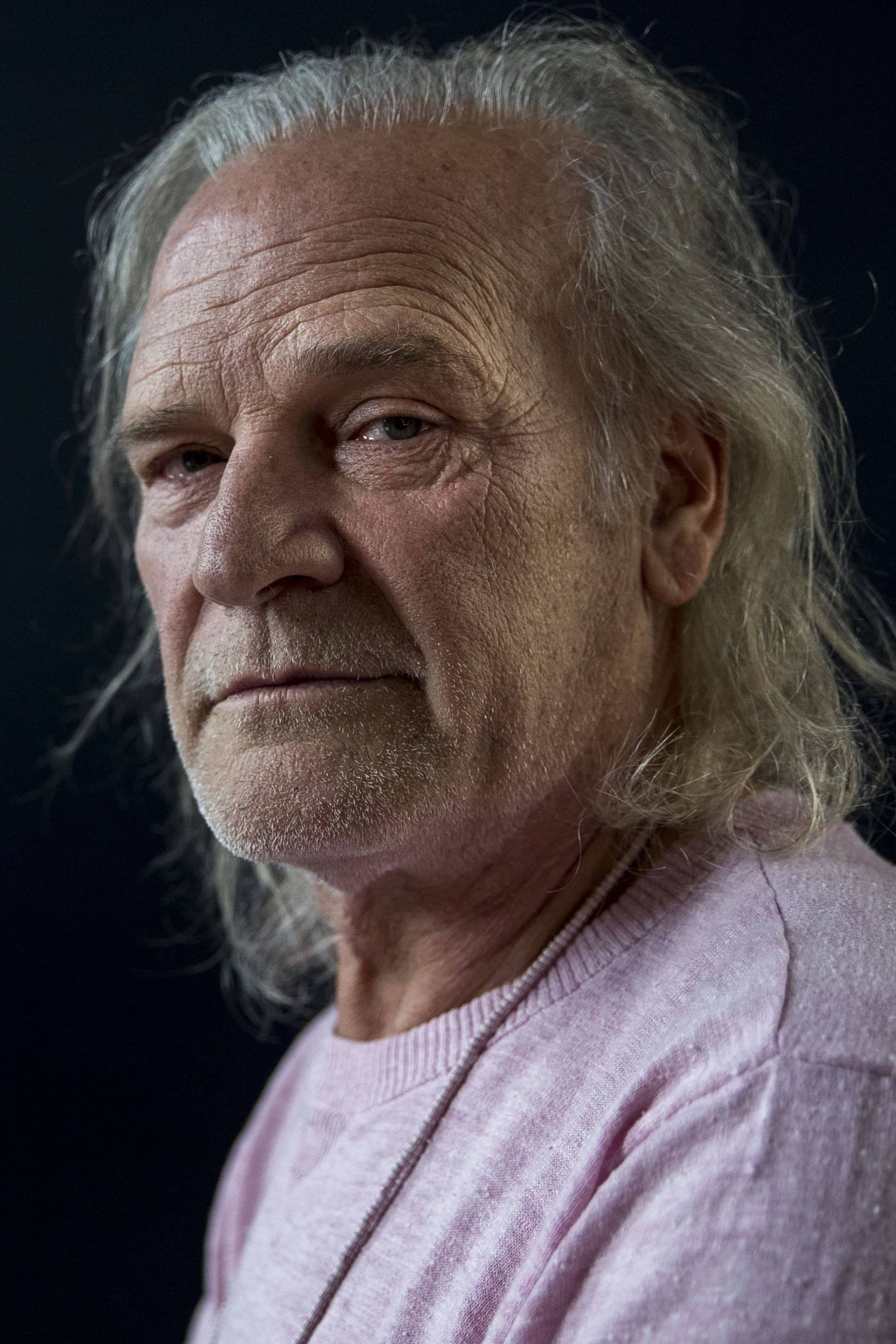
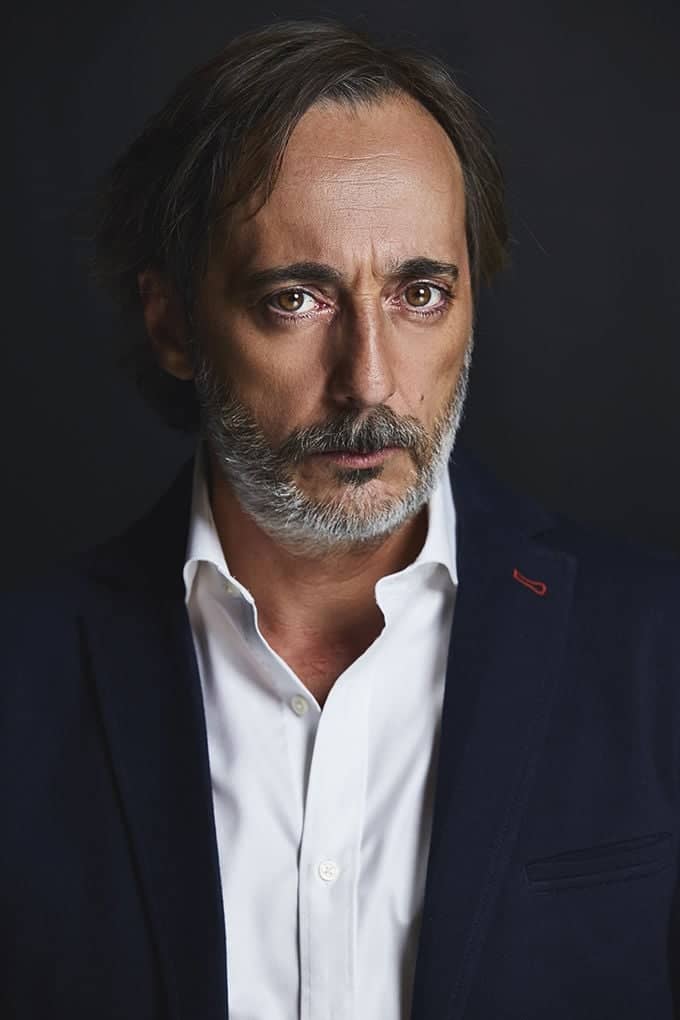
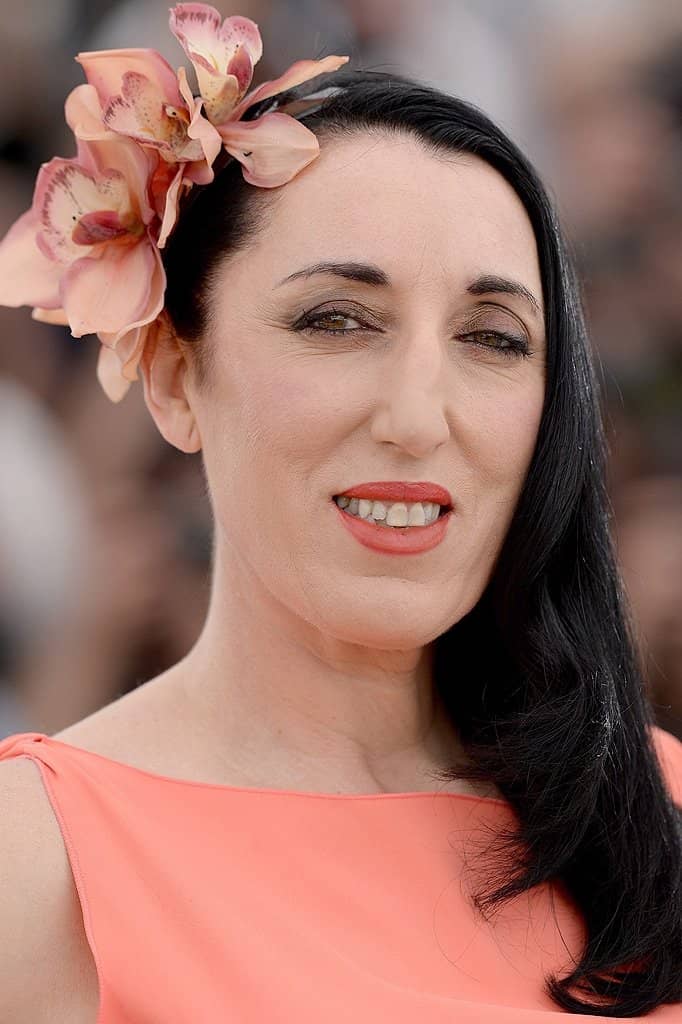
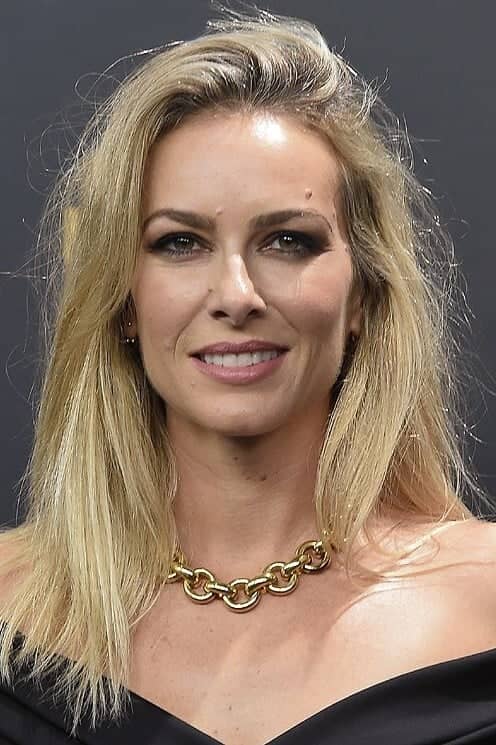
The cast of Broken Embraces includes Tamar Novas as Diego, Penélope Cruz as Lena, Agustín Almodóvar as Gardener, Mariola Fuentes as Edurne, Lola Dueñas as Lip Reader, Chus Lampreave as Concierge, Carmen Machi as Chon, Rubén Ochandiano as Ray X, Ángela Molina as Lena's Mother, Alejo Sauras as Álex, Lluís Homar as Mateo Blanco / Harry Caine, Karola Sánchez as Production Assistant, and more.
The duration of Broken Embraces is 2h 7 mins.
Yes. You can watch the Broken Embraces trailer on this Fanbiz page on Fanziz.
Broken Embraces was released on 18 Mar 2009.
Broken Embraces is listed under Drama, Romance, and Thriller on Fanbiz.
Broken Embraces has 1 review on Fanziz, with an average rating of 7.0/10. One reviewer wrote: "Broken Embraces: Almodóvar's Hitchcockian Love Letter to Cinema In "Broken Embraces," Pedro Almodóvar doesn't so much break new ground as he refines the soil he has long cult..."
