

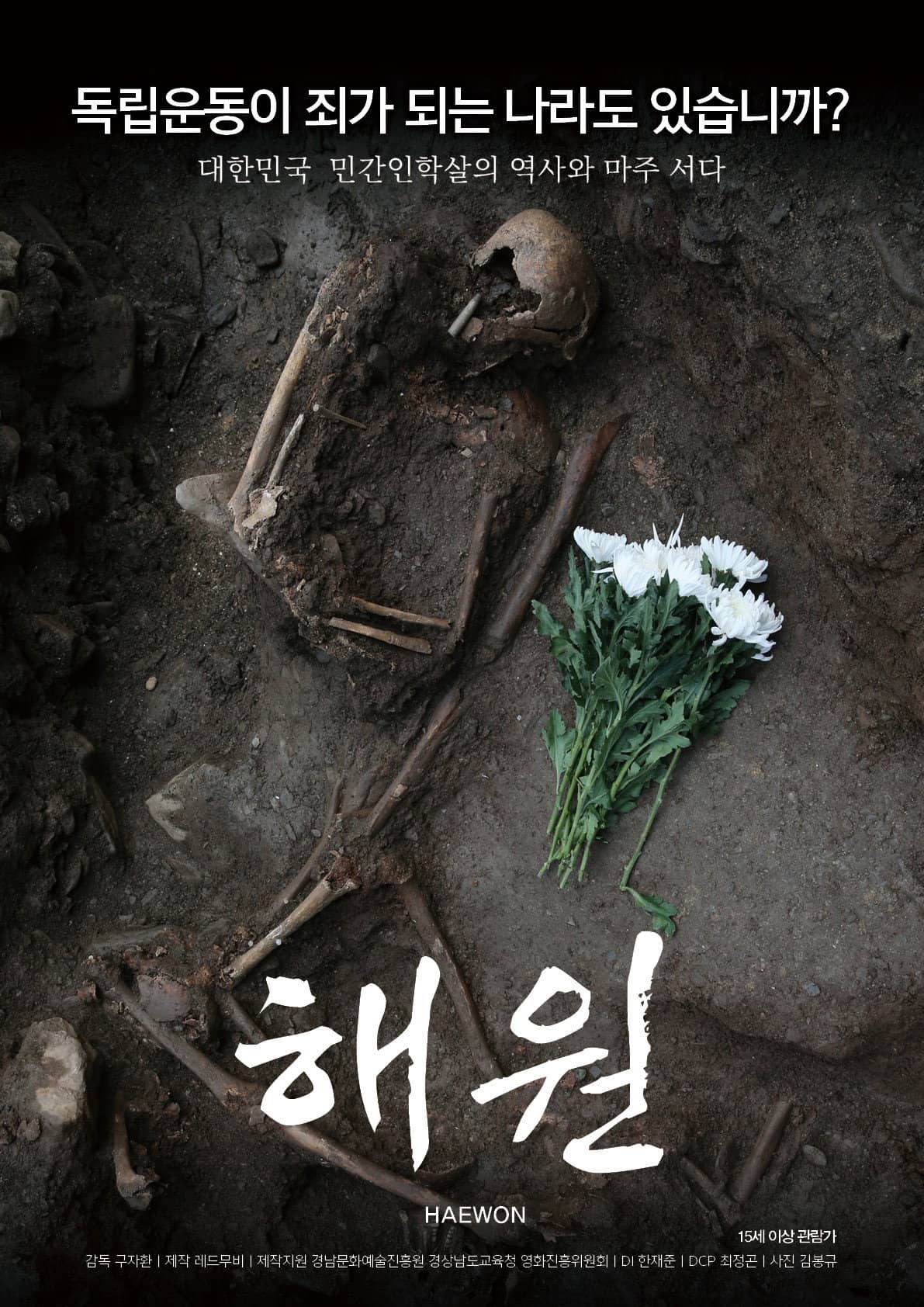
Haewon
According to a 1946 survey conducted by the U.S. military government, 78% of South Koreans supported socialism while only 14% favored capitalism. By appointing pro-Japanese collaborators and right-wing elements, Rhee Syngman, who had not earned broad popular support, massacred those factions and civilians deemed political obstacles. In confronting the Jeju 4.3 uprising in 1947 and the Yeosun incident in 1948, along with the outbreak of the Korean War, large-scale civilian massacres became a regular occurrence.


Haewon FAQs
Gu Ja-hwan is the director of Haewon.
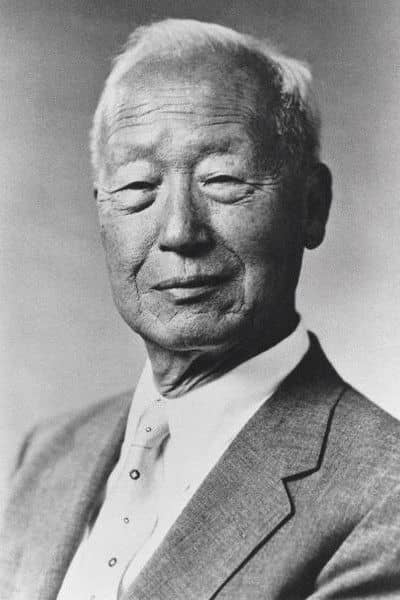
The cast of Haewon includes Syngman Rhee as Himself (archive footage) and Gu Ja-hwan.
Haewon was released on 10 May 2018.
Haewon is listed under Documentary on Fanbiz.
