

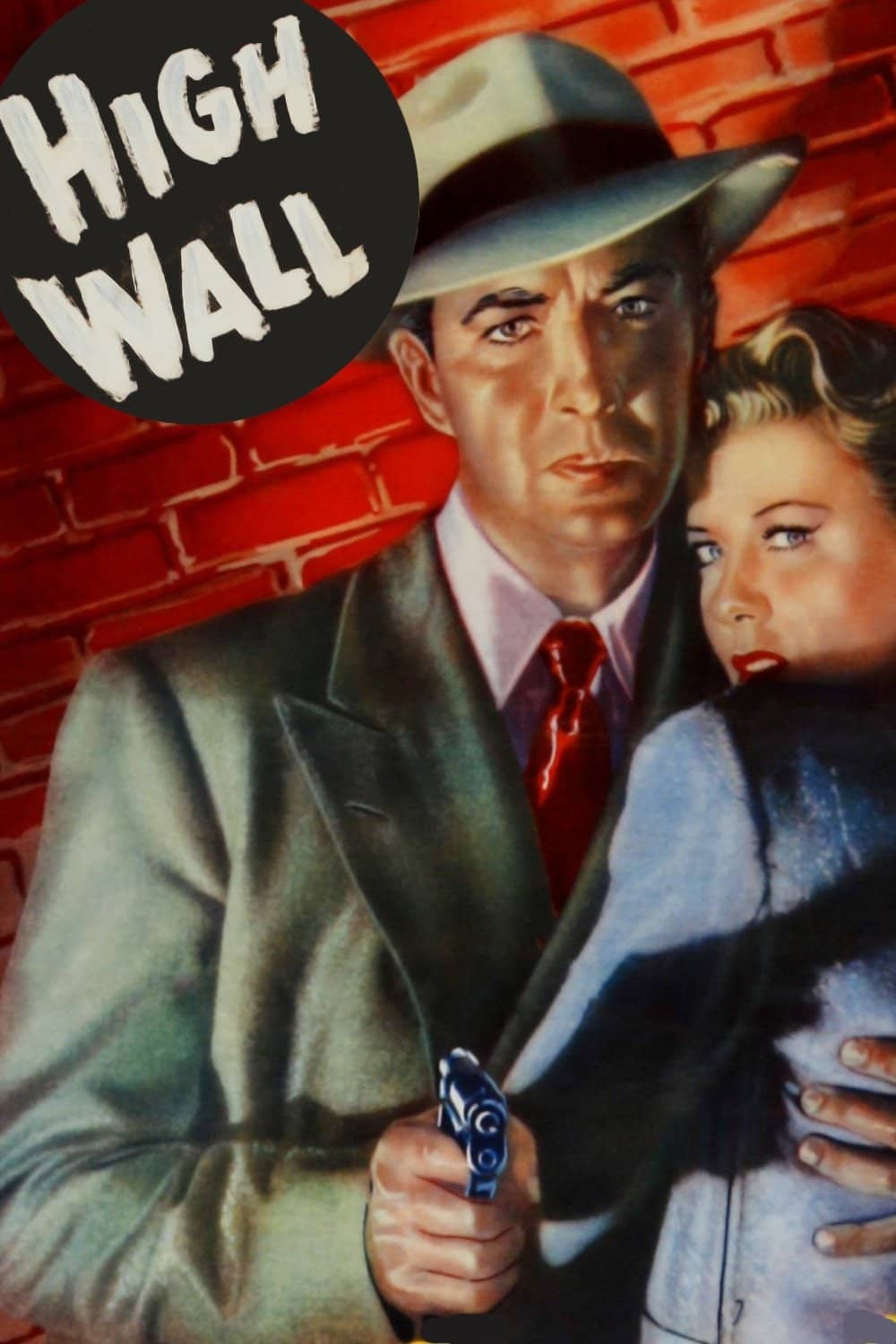
High Wall
Steven Kenet, suffering from a recurring brain injury, appears to have strangled his wife. Having confessed, he's committed to an understaffed county asylum full of pathetic inmates. There, Dr. Ann Lorrison is initially skeptical about Kenet's story and reluctance to undergo treatment. But against her better judgement, she begins to doubt his guilt.
Director(s)
Curtis Bernhardt
Cast & Crew
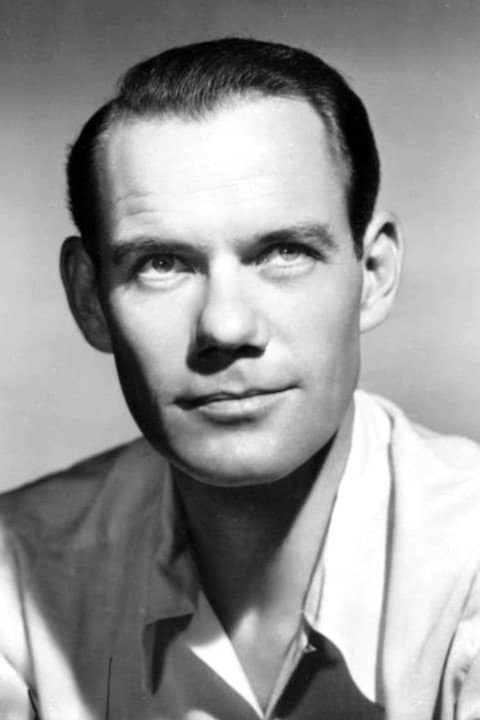
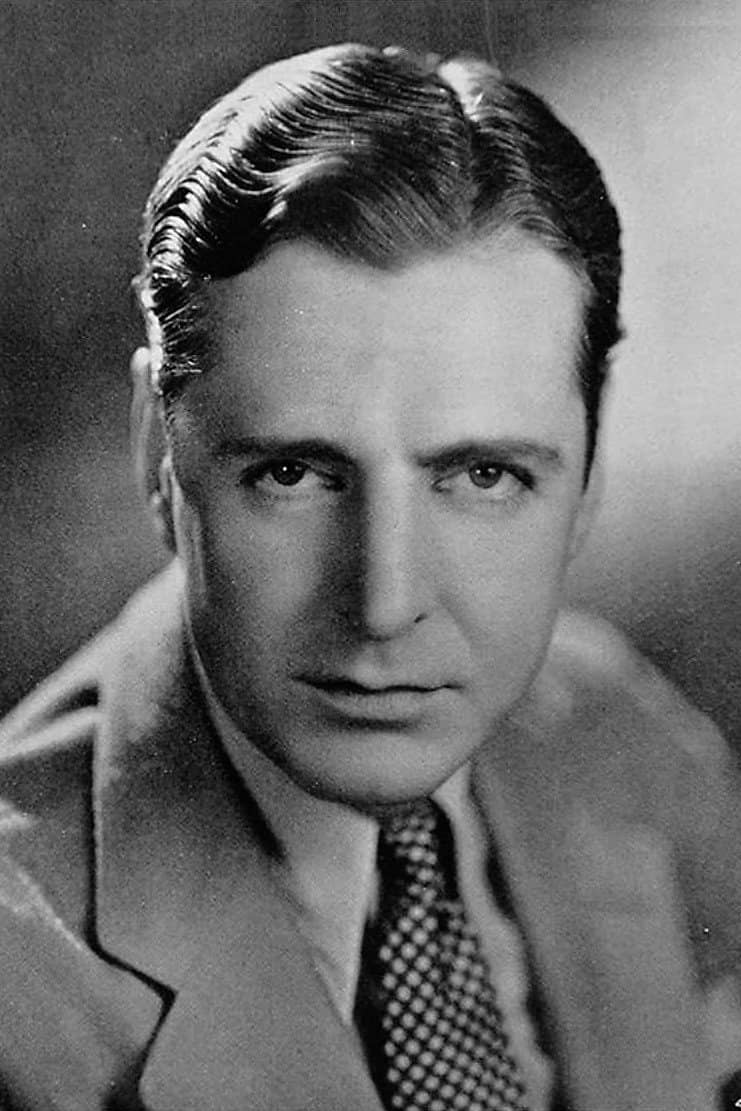
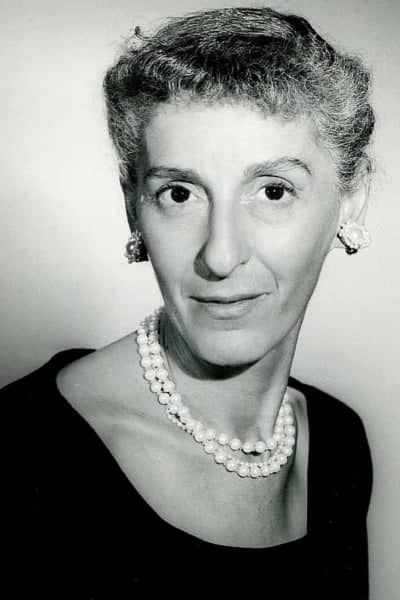
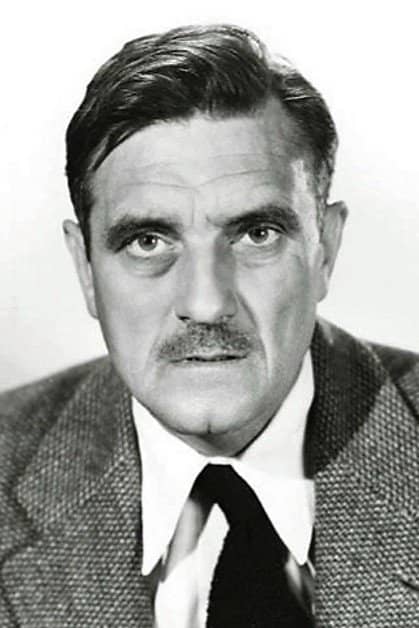
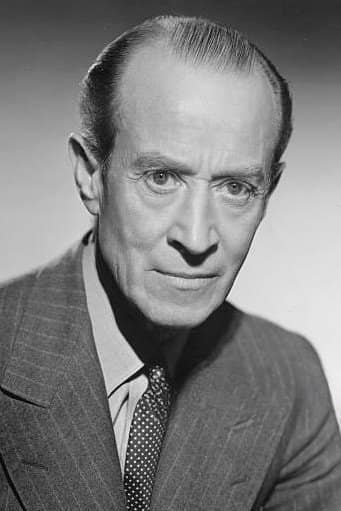
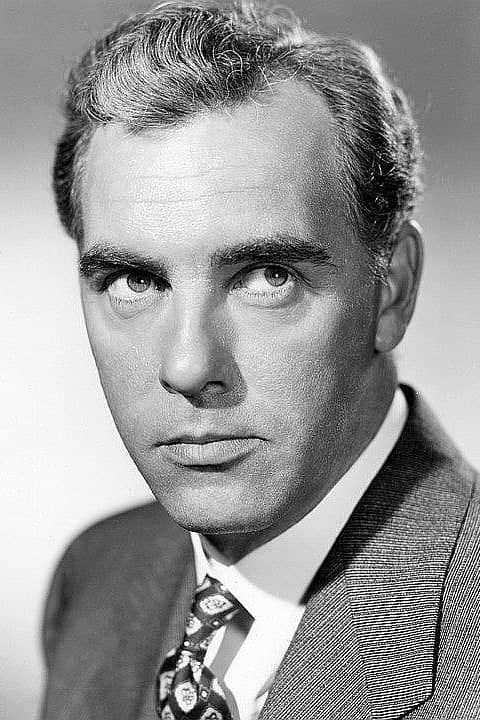
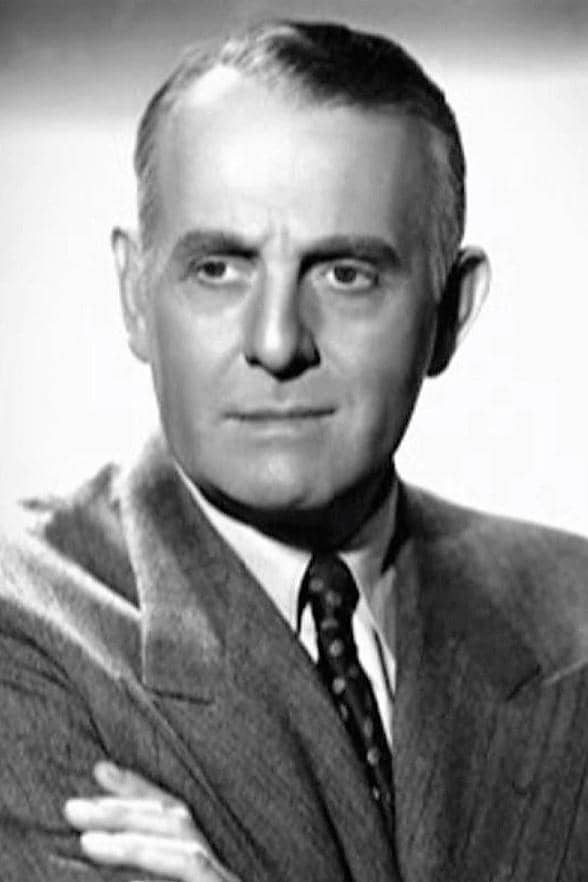

Details

Reviews
John Chard
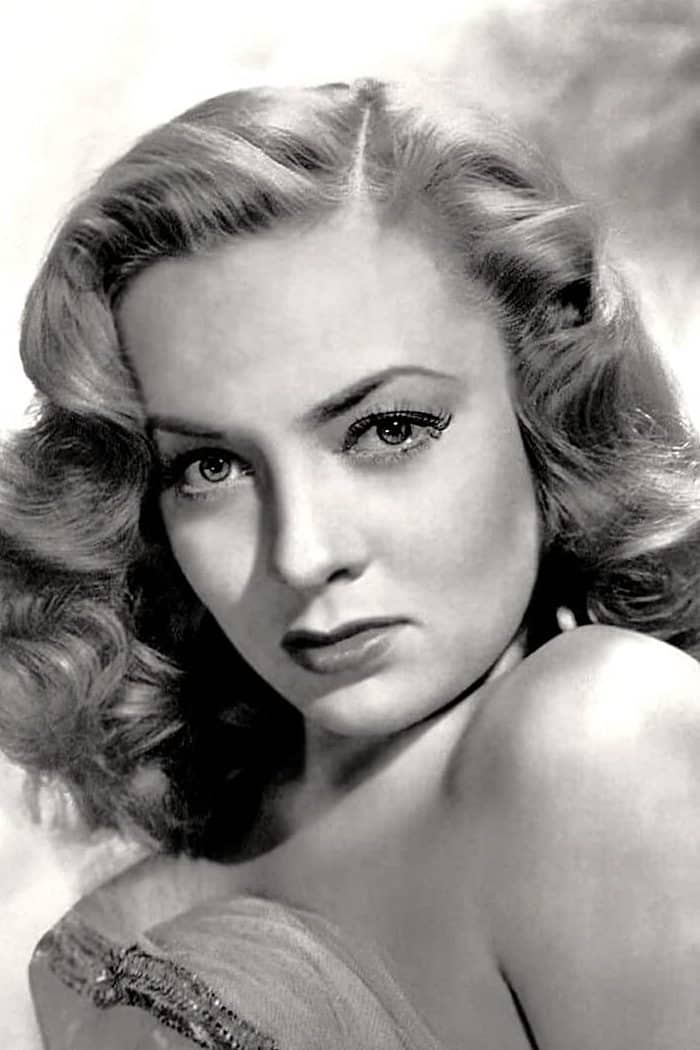
Murders and Medicinal Mania. High Wall is directed by Curtis Bernhardt and adapted to screenplay by Sydney Boehm and Lester Cole from the play by Alan R. Clark and Bradbury Foote. It stars Robert Taylor, Audrey Totter, Herbert Marshall, Dorothy Patrick and H.B. Warner. Music is by Bronislau Kaper and cinematography by Paul Vogel. Suffering from a brain injury sustained during the war, Steven Kenet (Taylor) is further rocked by the realisation that he may have strangled his wife during one of his blackout episodes. Committed to a county asylum, Steven responds to treatment by Dr. Ann Lorrison (Totter) and comes to believe he just might be innocent of his wife’s murder. But can he convince the authorities? Can he in fact get out of the asylum to find proof? By 1947 film noir had firmly encompassed the plot strand involving returning veterans from the war. Plot would find them struggling to readjust into society, they would be battle scarred, emotionally torn or suffering some form of injury, such as a popular favourite of film makers of the time, the amnesia sufferer. High Wall is one of the better pictures from the original film noir cycle to deal with this premise. Where except for a daft method used to bring the story to its conclusion, it’s a well thought out and intelligent picture. The pairing of Taylor and Totter is one of the film’s strengths, they are helped no end by having parts that requires them to veer away from roles that they were accustomed to. Bernhardt and Vogel dress the picture up superbly, the camera glides eerily around the asylum, throwing impressive shadows across the drama, and the camera technique used for Kenet’s flashback sequences proves mood magnificent. Out of the asylum the visuals still remain beautiful whilst still exuding a bleakness befitting the unfolding story, with rain drenched streets the order of the night. While Kaper drifts a suitably haunting musical score across proceedings. It’s unhurried and cares about attention to details, and even though some of the ethics involved in story are dubious, this is a smart entry in the psychological film noir canon. 7.5/10
All Trailers

High Wall FAQs
Curtis Bernhardt is the director of High Wall.
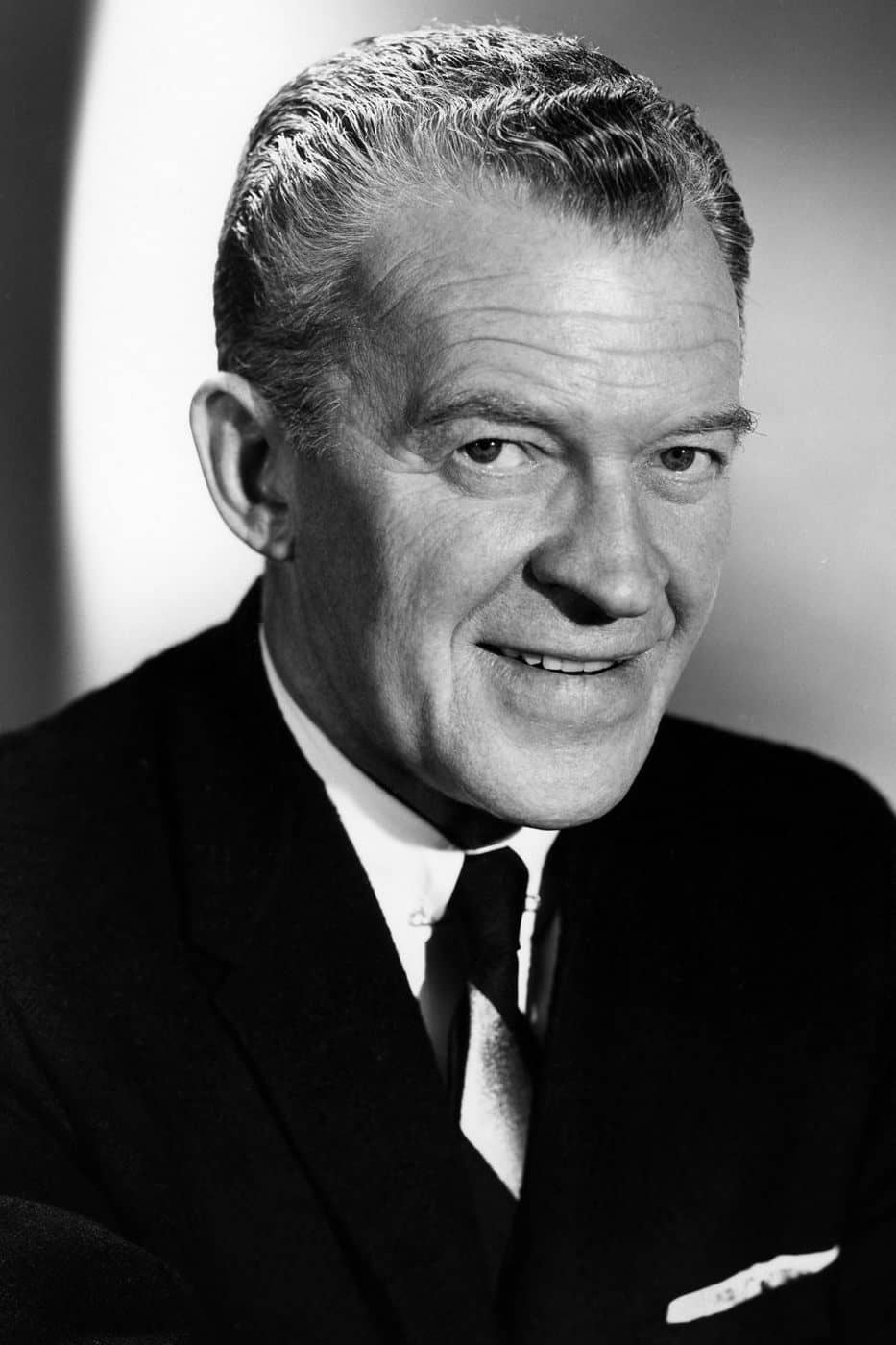
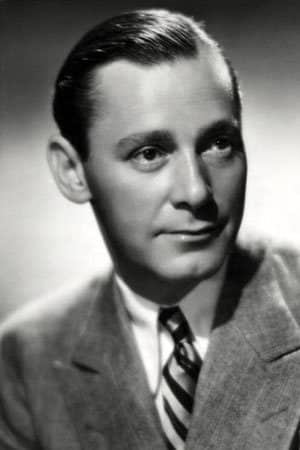
The cast of High Wall includes Milton Kibbee as Counterman (uncredited), John Beck as Patient (uncredited), Vince Barnett as Henry Cronner, Ray Teal as Police Lieutenant (uncredited), Dick Wessel as Jim Hale (uncredited), Elisabeth Risdon as Mrs. Kenet, John Hamilton as Police Surgeon (uncredited), John Ridgely as Assistant District Attorney David Wallace (as John Ridgeley), Selmer Jackson as Police Insp. Harding (uncredited), Dorothy Neumann as Mrs. Miller (uncredited), Morris Ankrum as Dr. Stanley Griffin, Frank Jenks as Pinky (uncredited), and more.
The duration of High Wall is 1h 39 mins.
Yes. You can watch the High Wall trailer on this Fanbiz page on Fanziz.
High Wall was released on 17 Dec 1947.
High Wall is listed under Crime, Drama, and Thriller on Fanbiz.
High Wall has 1 review on Fanziz, with an average rating of 7.5/10. One reviewer wrote: "Murders and Medicinal Mania. High Wall is directed by Curtis Bernhardt and adapted to screenplay by Sydney Boehm and Lester Cole from the play by Alan R. Clark and Bradbury F..."
