

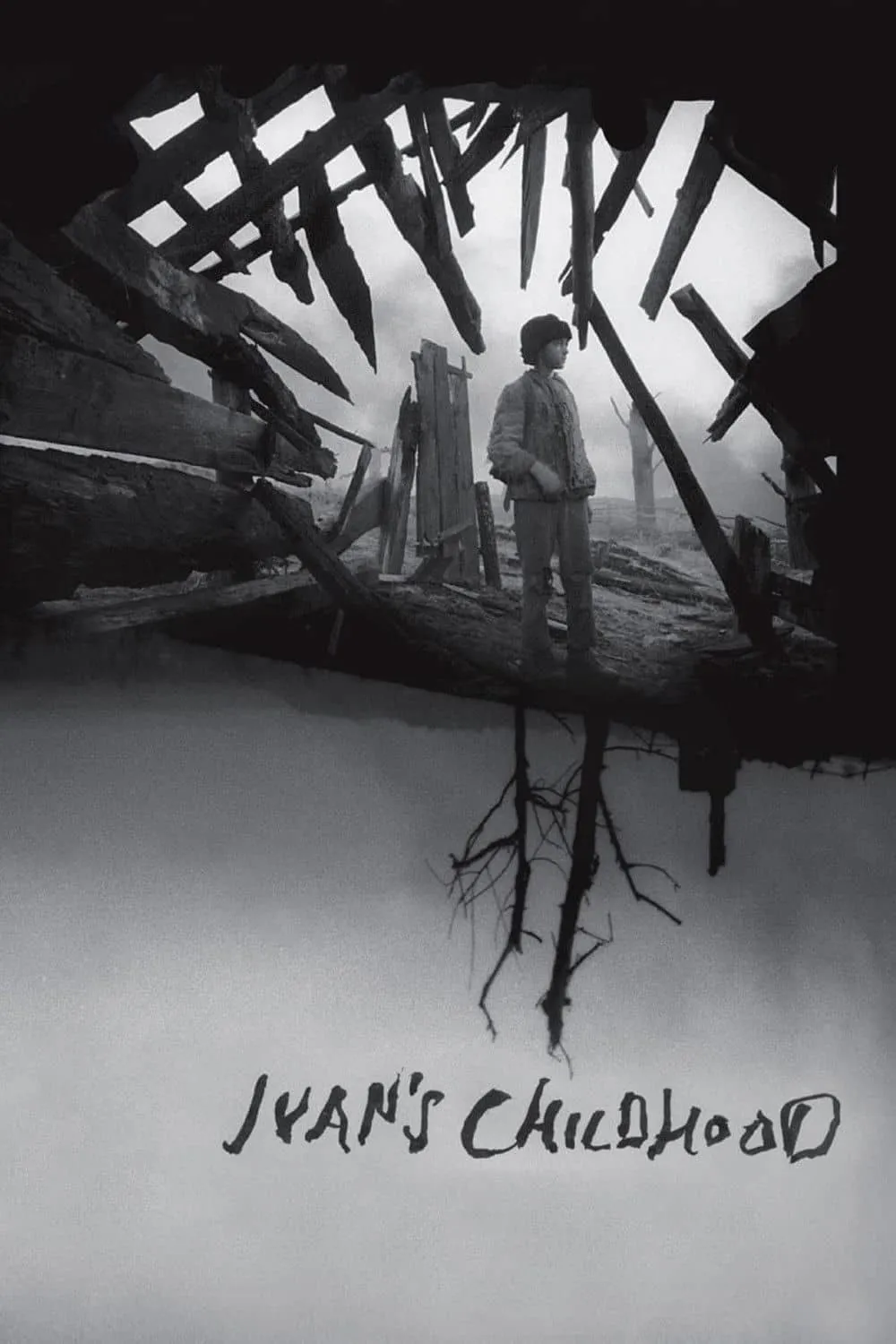
Ivan's Childhood
In WW2, twelve year old Soviet orphan Ivan Bondarev works for the Soviet army as a scout behind the German lines and strikes a friendship with three sympathetic Soviet officers.
Director(s)
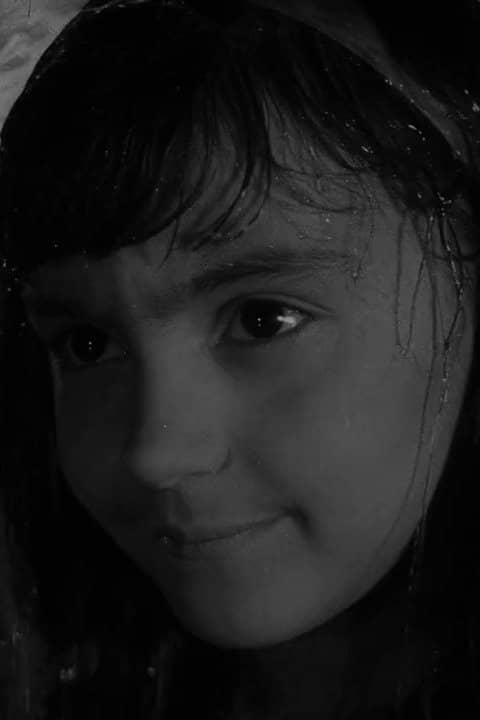
Irma Raush
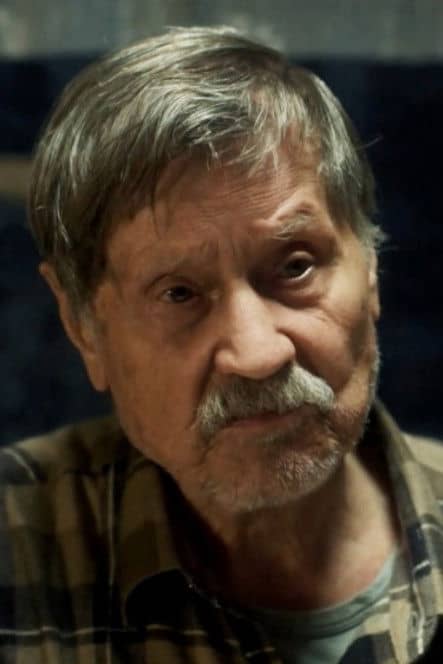
Andrei Konchalovsky
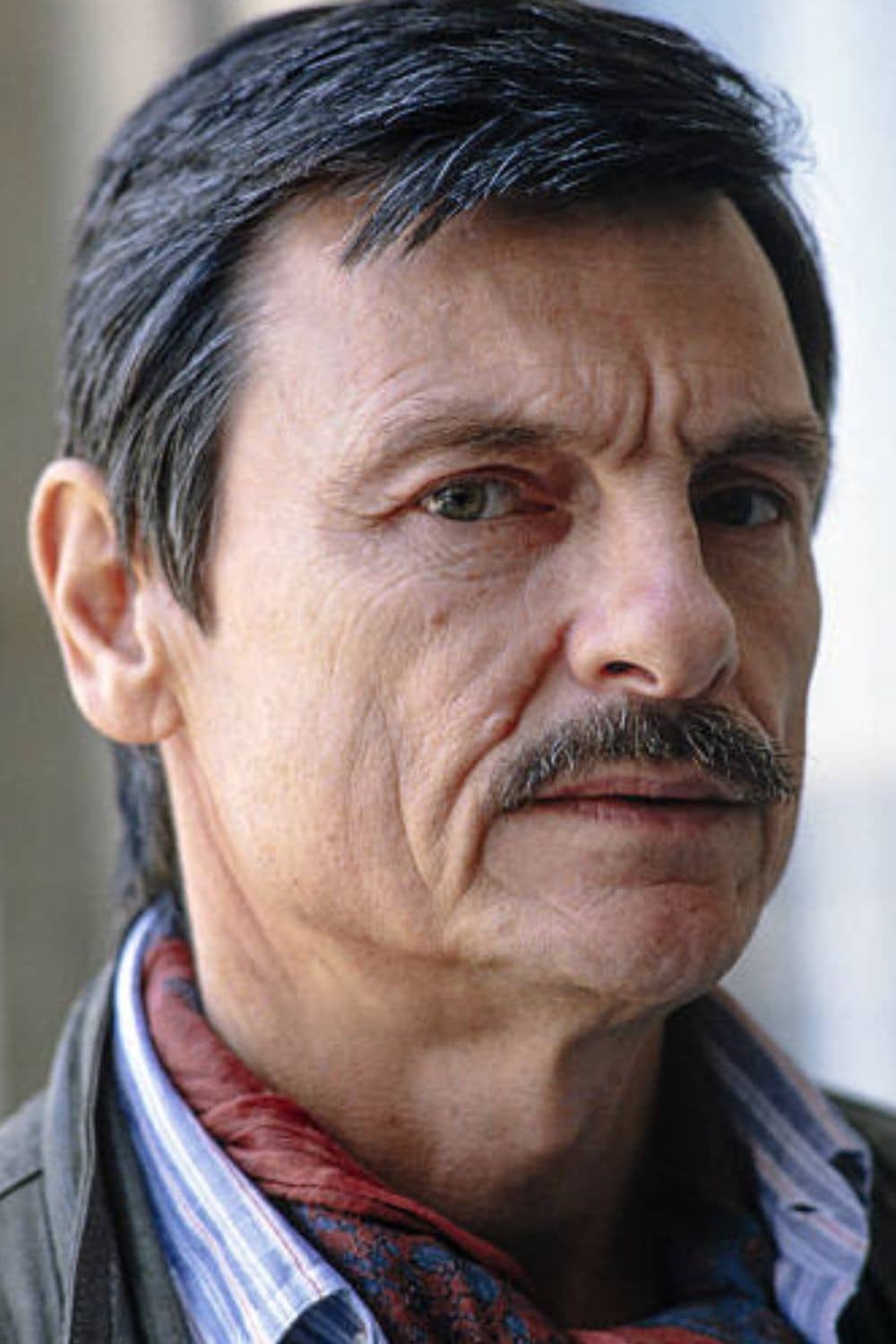
Andrei Tarkovsky
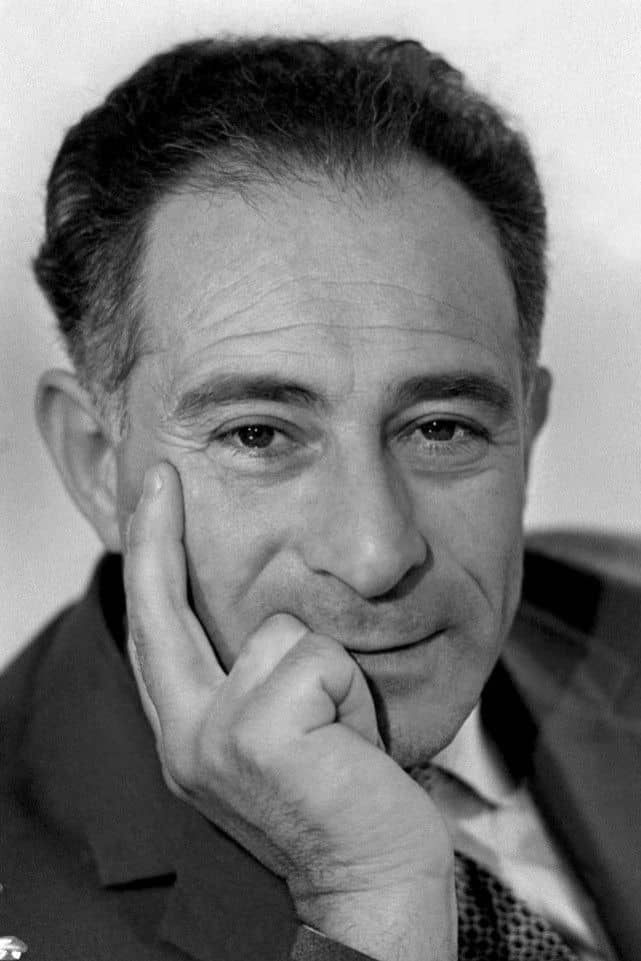
Georgi Natanson
Where to watch

Plex
Free

Plex Channel
Free
Plex
Ads
Cast & Crew
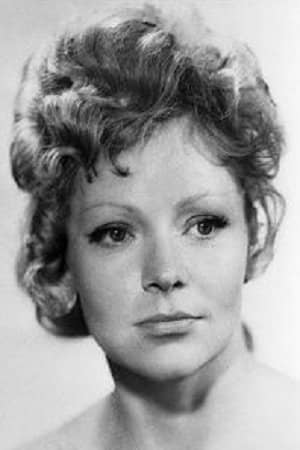
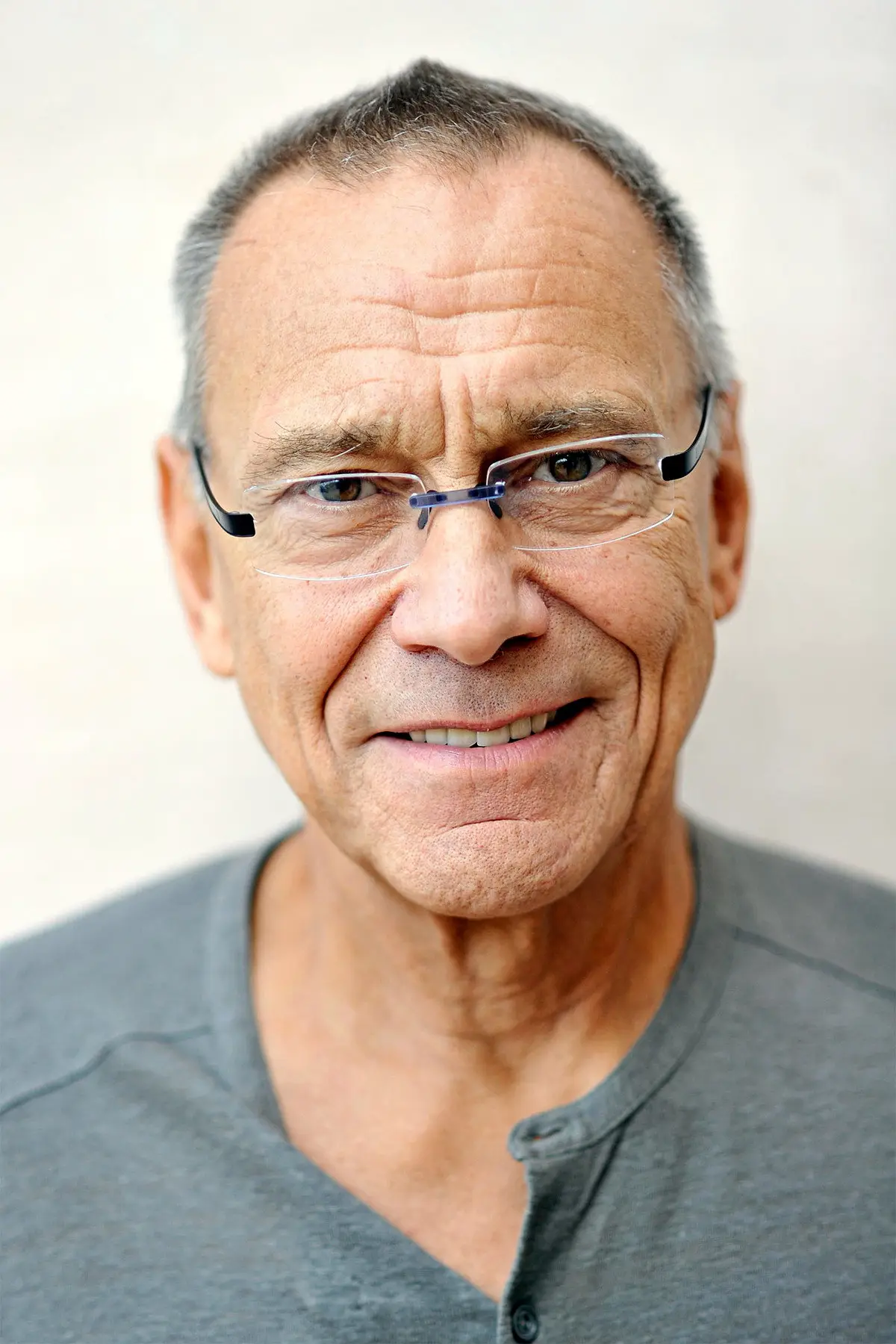
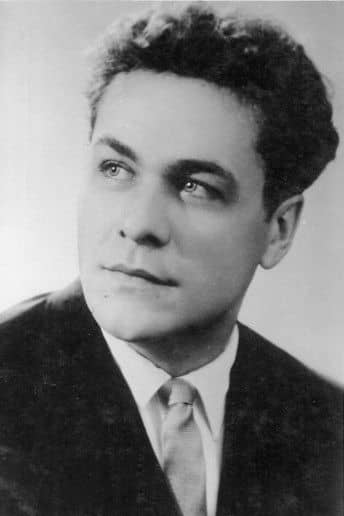
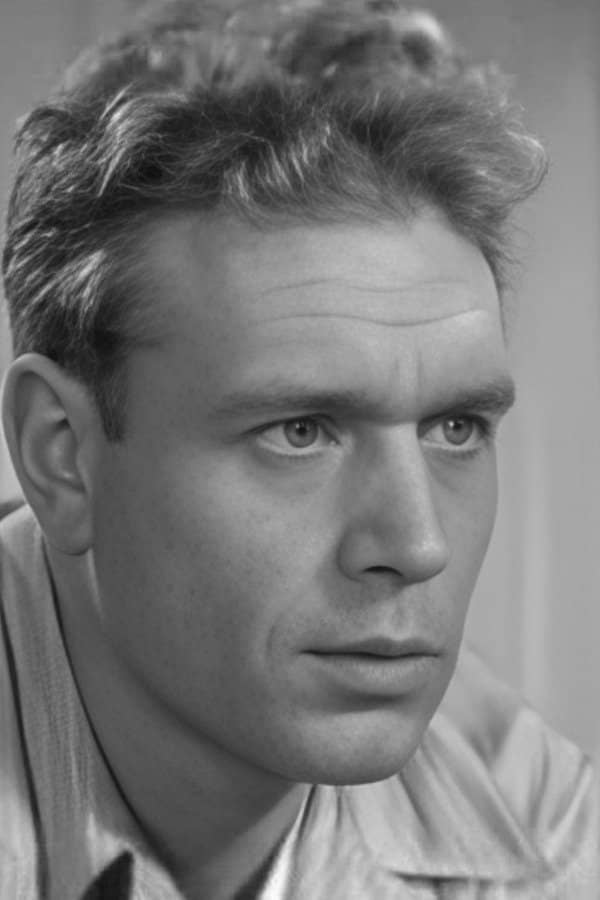
Details

Reviews
CRCulver
<i>Ivan’s Childhood</i>, released in 1962, was Soviet director's Andrei Tarkovsky first feature film. An adaptation of a short story by Vladimir Bogomolov set in World War II, its protagonist is a 12-year-old orphan (Nikolai Burlyaev) on the Eastern Front whose small size allows him to scout German positions undetected. Ivan's missions have been useful to the army, but officers Lt. Col. Gryaznov (Nikolai Grinko), Capt. Kholin (Valentin Zubkov) and Lt. Galtsev (Evgeny Zharikov) would like very much to send him to a military academy to get him away from the front, especially as the final offensive against the Germans is imminent. The action in the film plays out between two of Ivan's ventures across the river Dniepr into German-held territory. It depicts the difficult life of the soldiers at the front and the destruction that war brought to the Soviet village whose damaged buildings now host the army. Ivan's back story is revealed elliptically through comments among the soldiers, dream sequences or flashbacks. A subplot involves Kholin's disturbing attempts to seduce Nurse Masha (Valentina Malyavina) and, in stark contrast to earlier Soviet treatments of the war, suggest that in wartime one's own fellow soldiers can just as dangerous as the enemy. As far as Tarkovsky films go, <i>Ivan’s Childhood</i> is still an immature work. You'll find nothing of the slow, almost ritualistic pacing that marks his later films, and this comes in at a compact 90 minutes. Still, a few shots (tracking shots of a wall, Ivan flipping through a book of religious art) seem like mature Tarkovsky in embryo, and the prominent use of religious iconography (crosses, fresco) is already here. Vadim Yusov's cinematography is memorable, with its several "layers" of view in certain shots, and the prominent framing of shots with broken timber beams that seem to hinder the characters. I was however very disappointed that at the end, the film segues into basically a Soviet anti-German propaganda film, complete with archival footage of the Soviet capture of Berlin. It is like some completely different filmmaker took over.
All Trailers


Ivan's Childhood FAQs
The directors of Ivan's Childhood are Irma Raush, Andrei Konchalovsky, Andrei Tarkovsky, and Georgi Natanson.
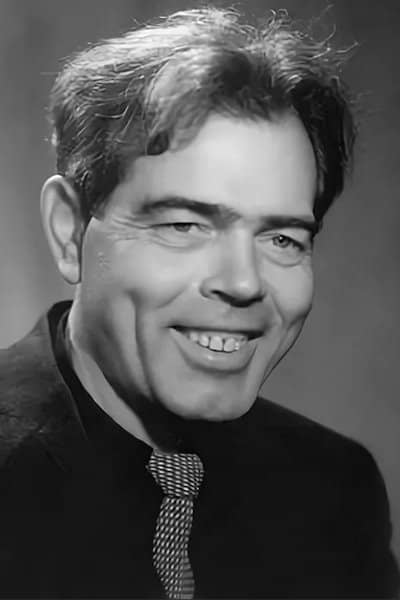
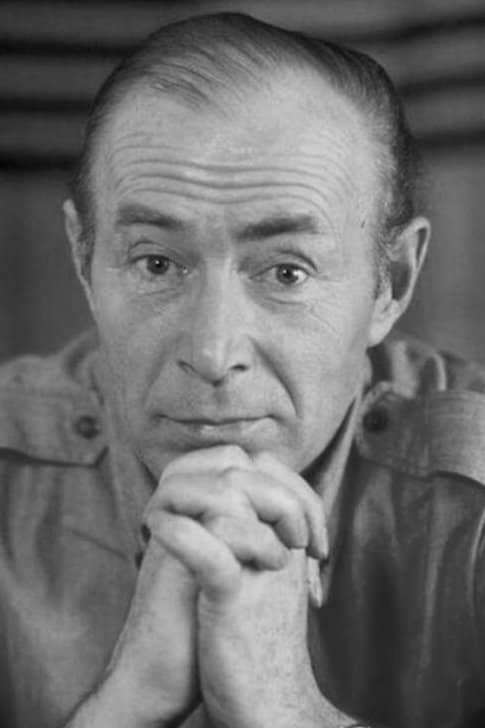
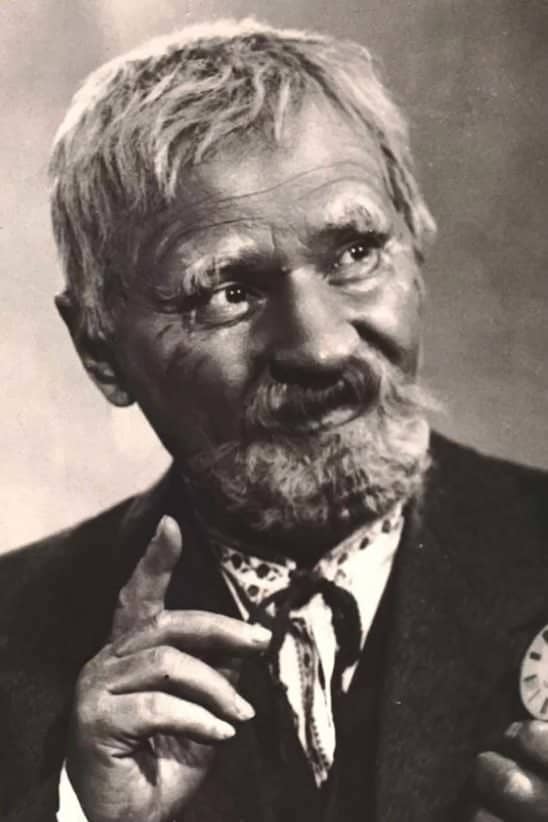
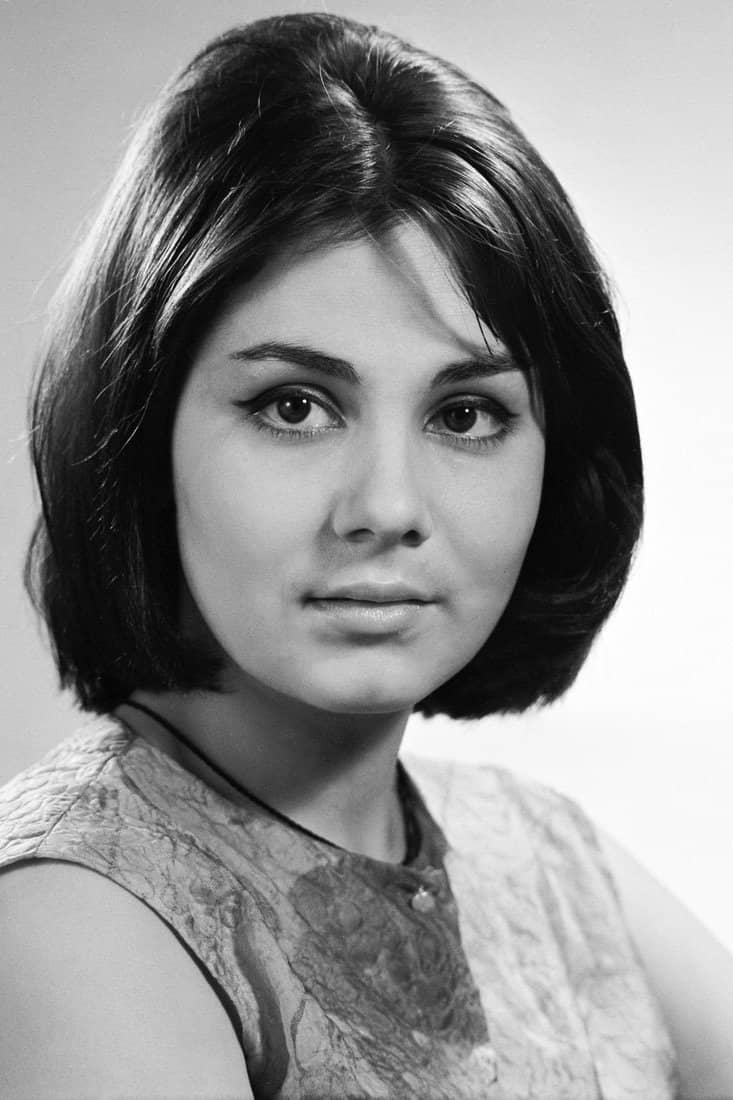
The cast of Ivan's Childhood includes Nikolay Burlyaev as Ivan, Valentin Zubkov as Kholin, Yevgeni Zharikov as Galtsev, Stepan Krylov as Katasonov, Mykola Hrynko as Gryaznov, Dmytro Milyutenko as Old Man, Valentina Malyavina as Masha, Irma Raush as Ivan's Mother, Andrei Konchalovsky as Soldier with Glasses, Vera Miturich as Girl, and Nikolay Smorchkov as Starshina (uncredited).
The duration of Ivan's Childhood is 1h 35 mins.
Yes. Ivan's Childhood has 2 trailers on Fanbiz, including Ivan's Childhood (Modern Trailer). Watch them on this page.
You can watch Ivan's Childhood on Plex (Free), Plex Channel (Free), and Plex (Ads). Check this Fanbiz page for the latest platforms.
Ivan's Childhood was released on 09 May 1962.
Ivan's Childhood is listed under Drama and War on Fanbiz.
Ivan's Childhood has 1 review on Fanziz, with an average rating of 6.0/10. One reviewer wrote: "<i>Ivan’s Childhood</i>, released in 1962, was Soviet director's Andrei Tarkovsky first feature film. An adaptation of a short story by Vladimir Bogomolov set in World War ..."
