

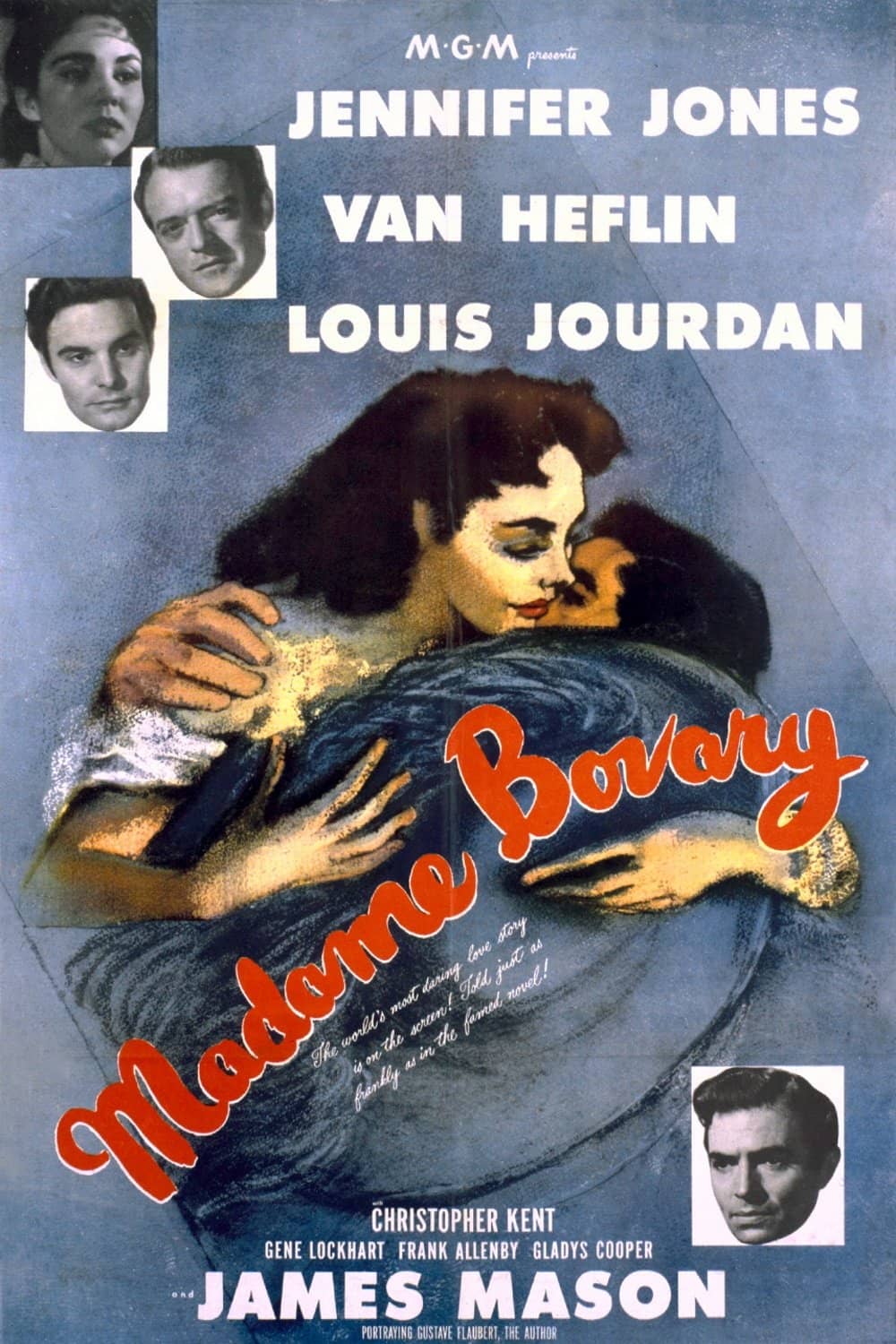
Madame Bovary
Set in 19th-century France, Emma Bovary, the wife of a doctor, longs to escape her monotonous provincial life through a succession of extramarital affairs and lavish spending, a path that ends in tragedy.
Director(s)
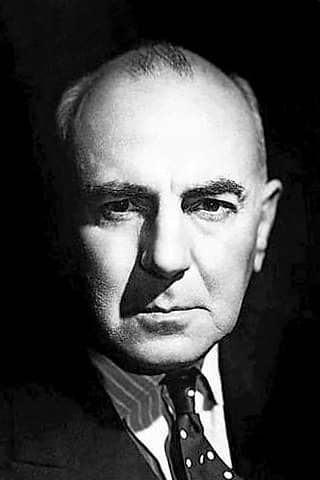
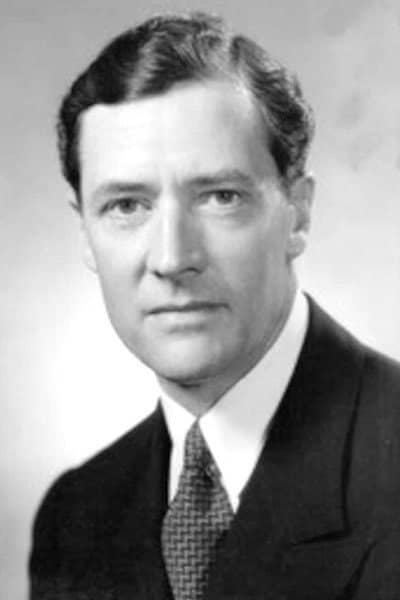
Alf Kjellin
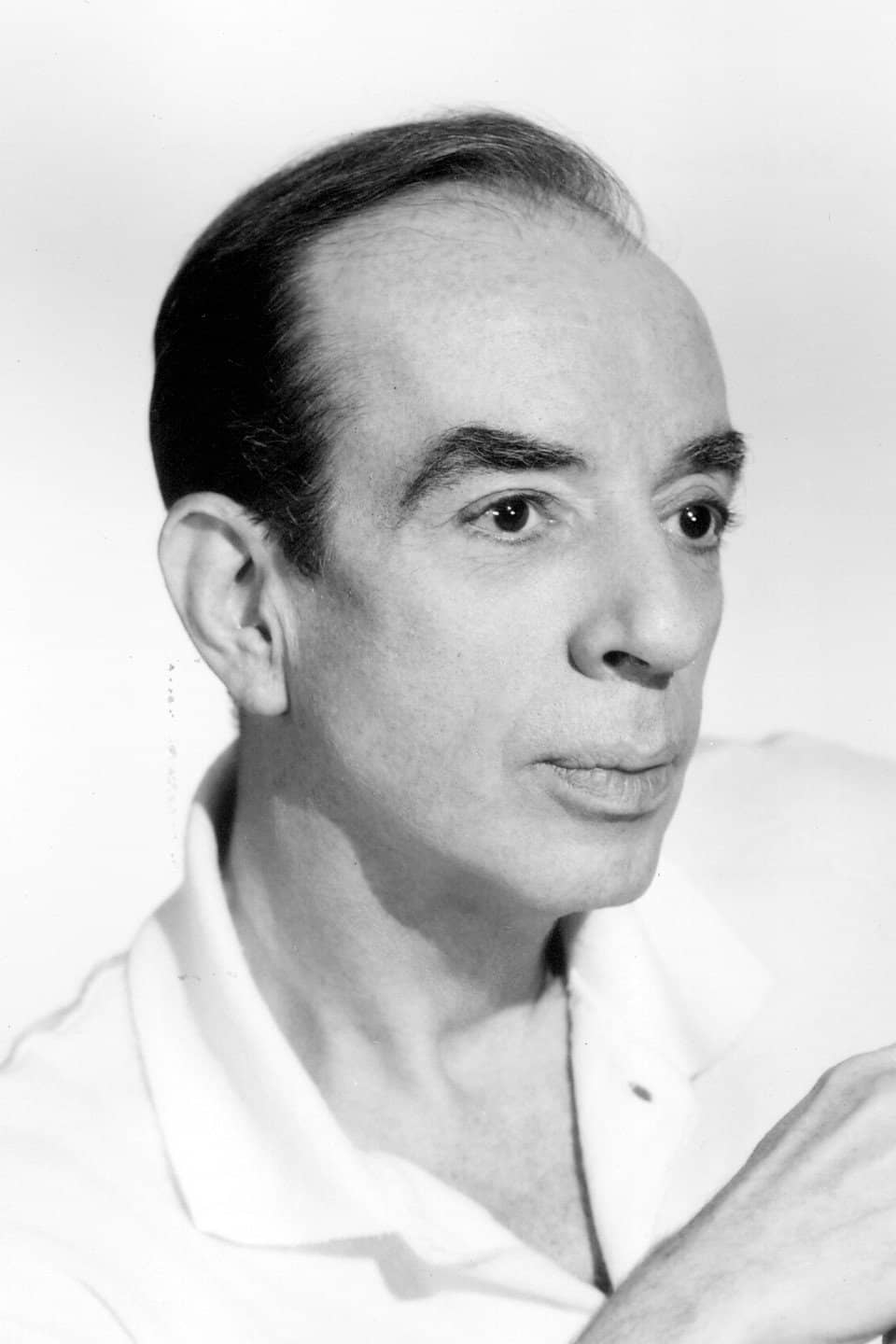
Vincente Minnelli
Cast & Crew

Details

Reviews
John Chard
Do you know, Charles, why that clock strikes? To announce the death of another hour. Madame Bovary is directed by Vincente Minnelli and adapted to screenplay by Robert Ardrey from the Gustave Flaubert novel. It stars Jennifer Jones, Van Heflin, Louis Jourdan, Alf Kjellin, Gene Lockhart and James Mason. Music is by Miklós Rózsa and cinematography by Robert H. Planck. It's most interesting now watching Minnelli's picture and being able to place it in the time it was made. Also of major interest is reading up on what the critics of the time had to say about it. This version is an undoubted lesson in the technical crafts of film making, the visuals, the sound, art design, costuming and a literary pumped screenplay that allows the cast to play it classical. It's also black hearted, perfectly in keeping with the gathering storm of the era that was film noir. Here is the monster. Some of the complaints about the film, to me anyway, just don't add up. Why do we need to care about anyone in this story? It's a dark tale of illicit passions, greed, betrayals, bad parenting and etc. Is this frowned upon in some circles because of love for the classic novel? Or because there's some esteem held for other versions? The criticism of Jones is also very suspect given it's a classic femme fatale performance, Emma is cold and driven and shallow to others feelings, Jones works it perfectly. As Rózsa's beautiful lush and poignant musical arrangements drift and hover over the various story instalments, Minnelli brings the film making guile. His camera work is sublime, like a ghost moving about the characters for the more vibrant scenes, tracking and roving, dizzyingly beautiful. At others it's close and personal, imbuing Emma's claustrophobia, with the black and white contrasts superbly photographed by Planck. So it doesn't capture the essence of Flaubert's intent, then? Emma Bovary a figure of hate instead of sympathy, the lack of a caustic aside on a society of double standards? So what! Outstanding film making is just that, especially when it can tune into a style of film making prevalent at its birth. Madame Bovary - maybe the most film noir movie not actually considered a film noir. Brilliant. 9/10
All Trailers

Madame Bovary FAQs
The directors of Madame Bovary are Alf Kjellin and Vincente Minnelli.
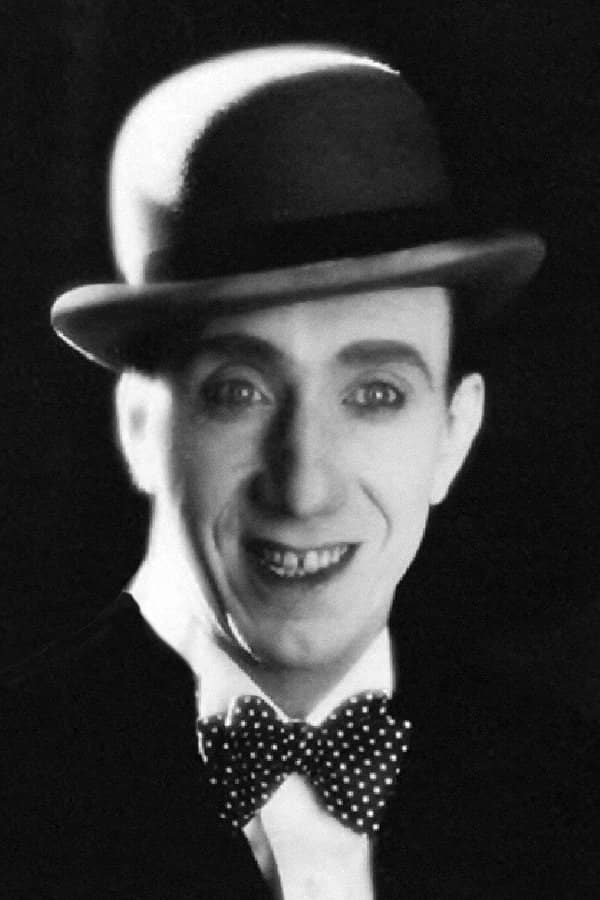
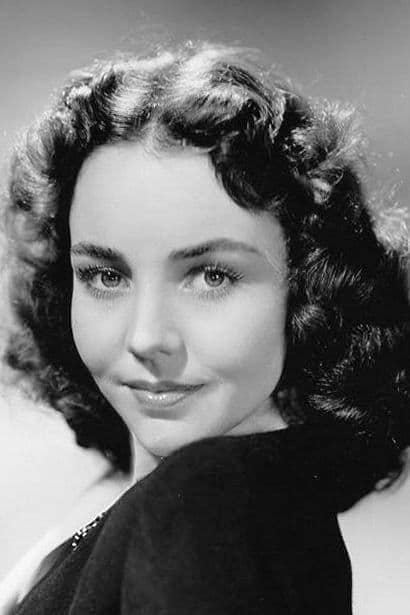
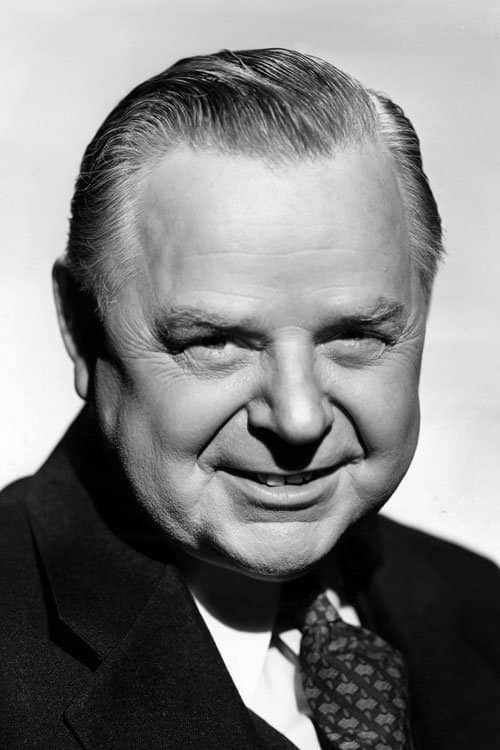
The cast of Madame Bovary includes Louis Jourdan as Rodolphe Boulanger, Sailor Vincent as Guest (uncredited), Edith Evanson as Mother Superior (uncredited), Harry Morgan as Hyppolite, Paul Bryar as Bailiff (uncredited), Gladys Cooper as Madame Dupuis, Van Heflin as Charles Bovary, Ellen Corby as Félicité, John Abbott as Mayor Tuvache, Edward Keane as Presiding Judge (uncredited), James Mason as Gustave Flaubert, George Zucco as Dubocage, and more.
The duration of Madame Bovary is 1h 46 mins.
Yes. You can watch the Madame Bovary trailer on this Fanbiz page on Fanziz.
Madame Bovary was released on 25 Aug 1949.
Madame Bovary is listed under Drama and Romance on Fanbiz.
Madame Bovary has 1 review on Fanziz, with an average rating of 9.0/10. One reviewer wrote: "Do you know, Charles, why that clock strikes? To announce the death of another hour. Madame Bovary is directed by Vincente Minnelli and adapted to screenplay by Robert Ardrey..."
