

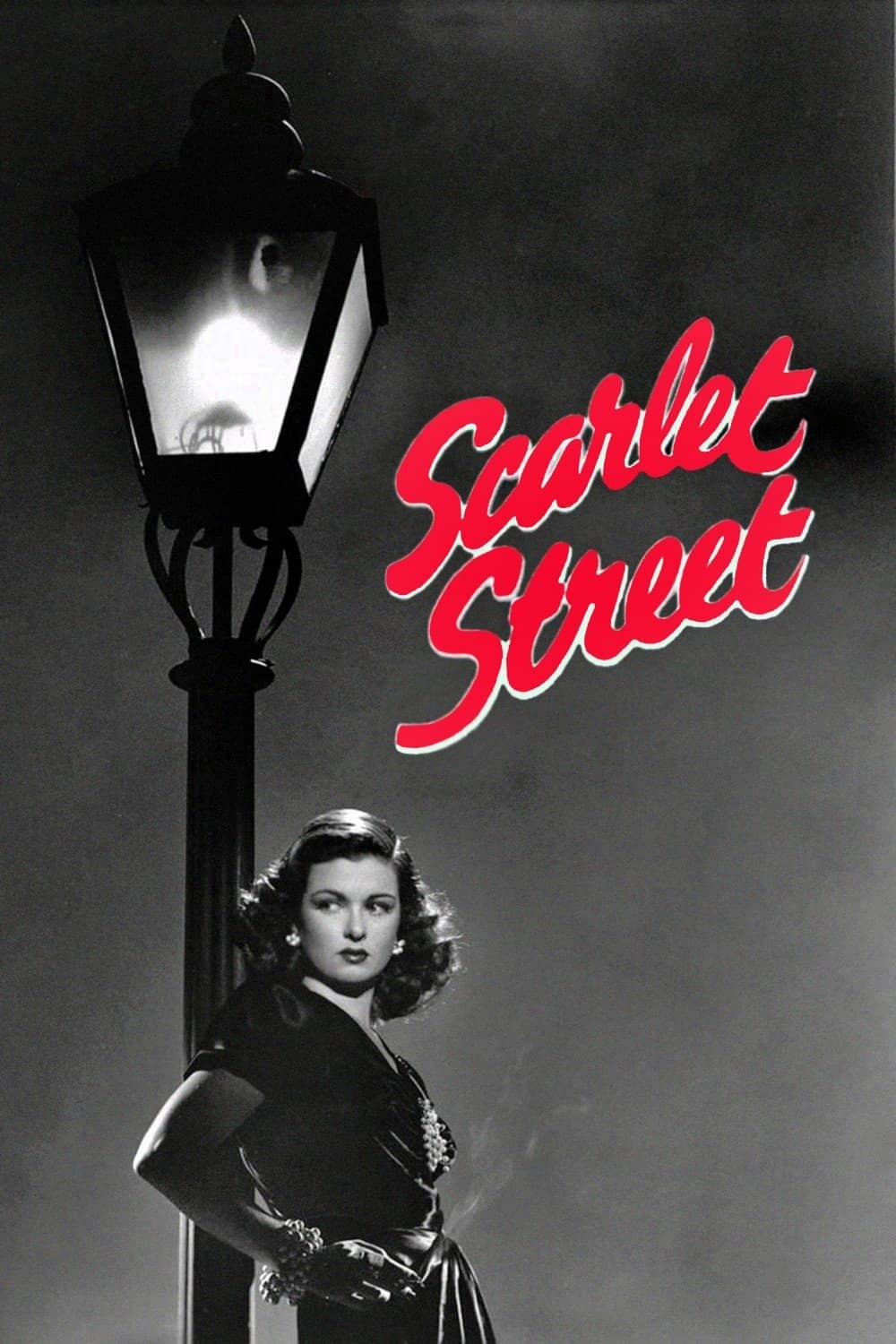
Scarlet Street
Cashier and part-time starving artist Christopher Cross is completely smitten with the beautiful Kitty March. Kitty pretends to reciprocate, but she is really after Johnny, a two-bit crook. When Kitty and Johnny discover that art dealers are taking an interest in Chris's work, they con him into letting Kitty take credit for the paintings. Cross agrees to let it happen because he loves Kitty, but his love will only let her get away with so much.
Director(s)
Fritz Lang
Melville Shyer
Where to watch

Cultpix
Subscription

Plex
Free

JustWatch TV
Free

Plex Channel
Free

Artiflix
Free

Tubi TV
Ads
Cast & Crew

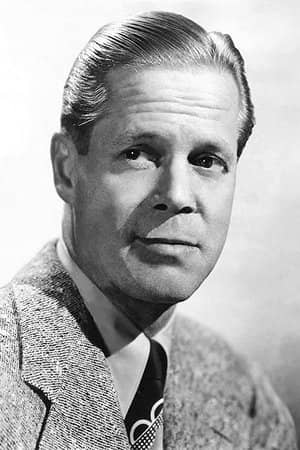
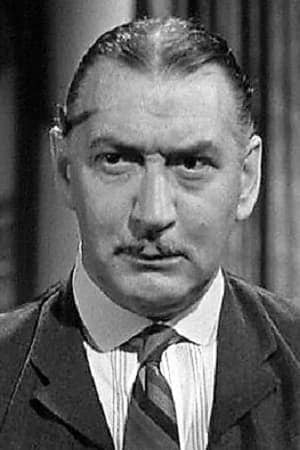
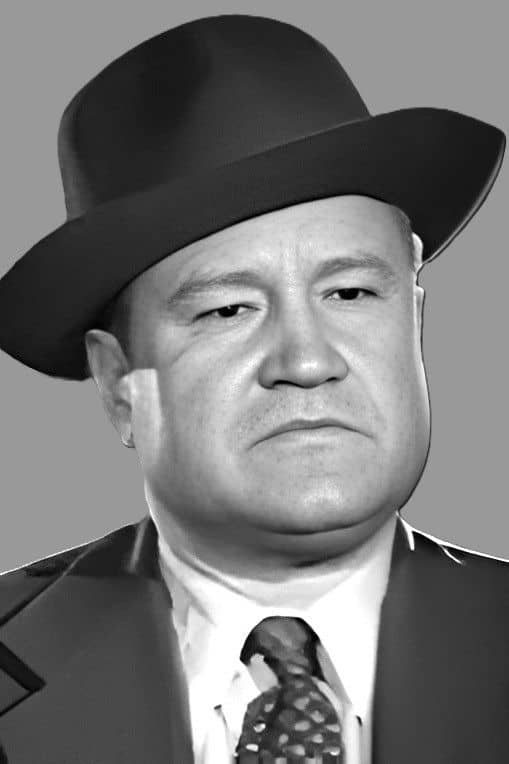


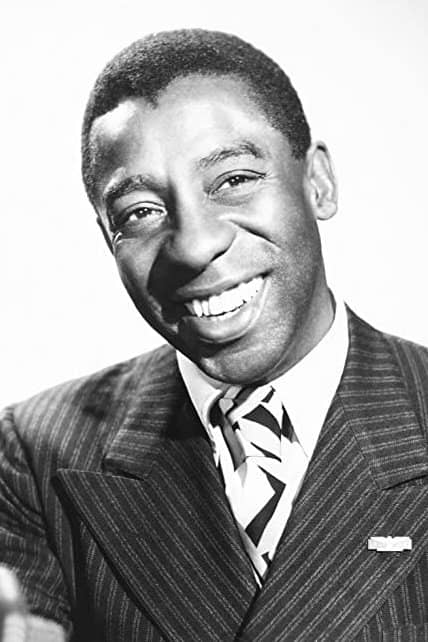
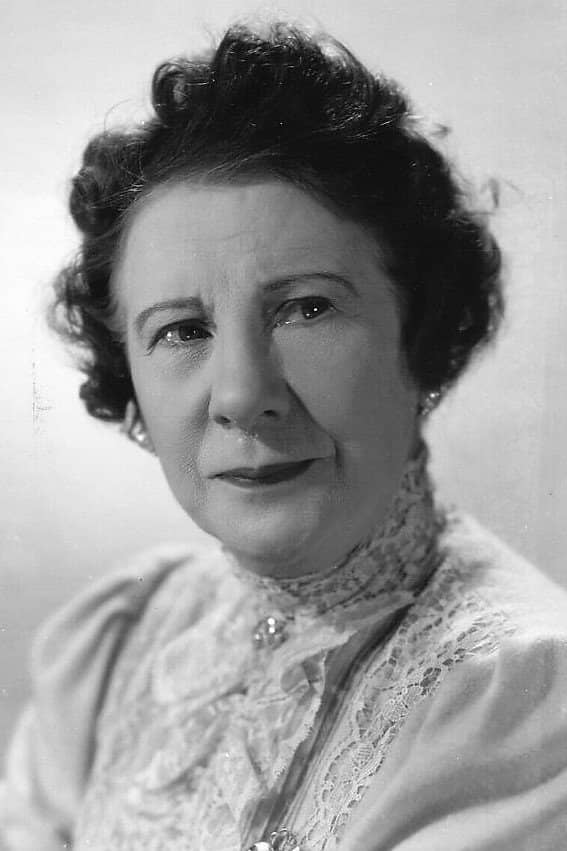
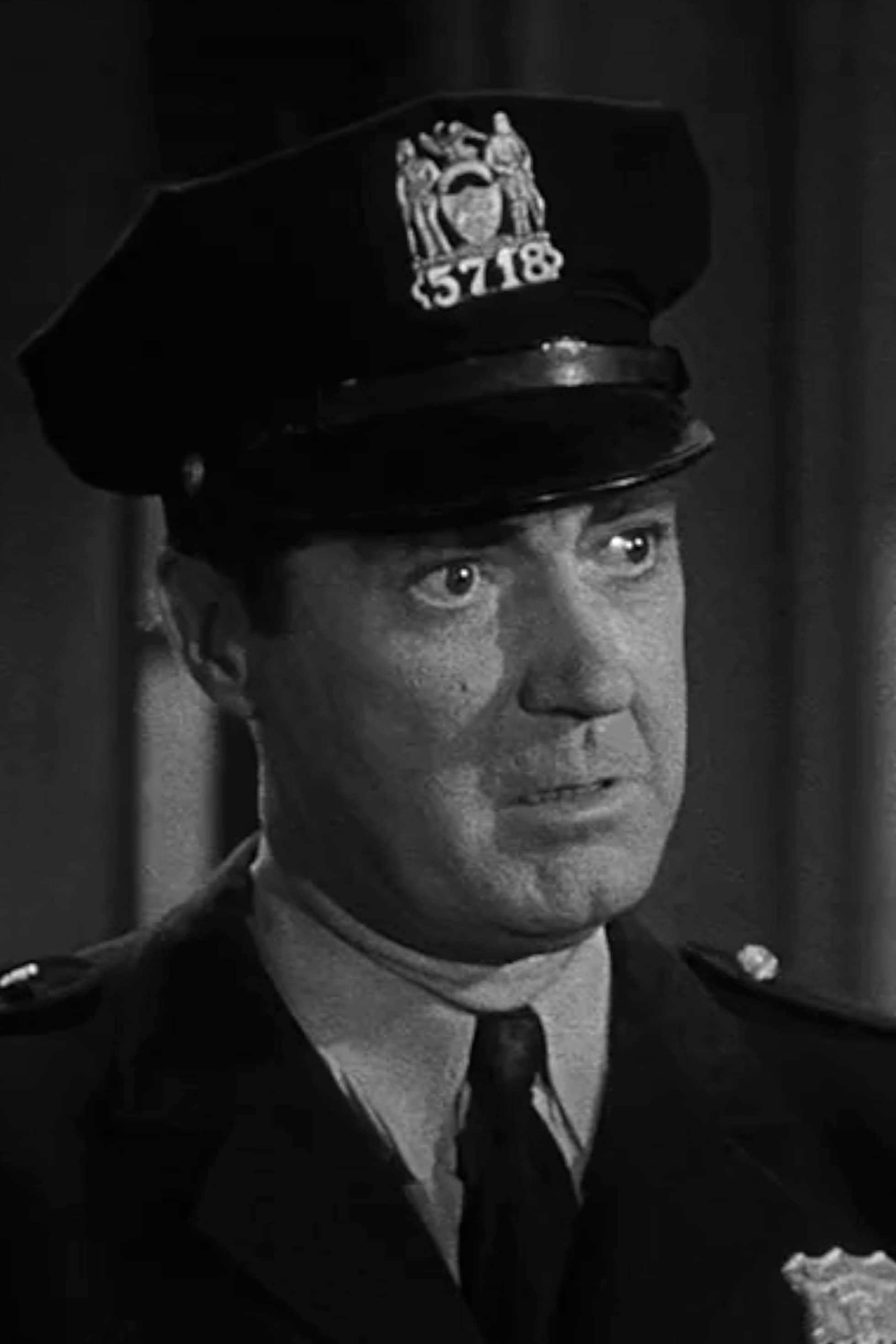
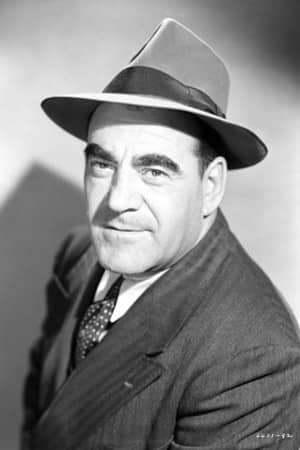
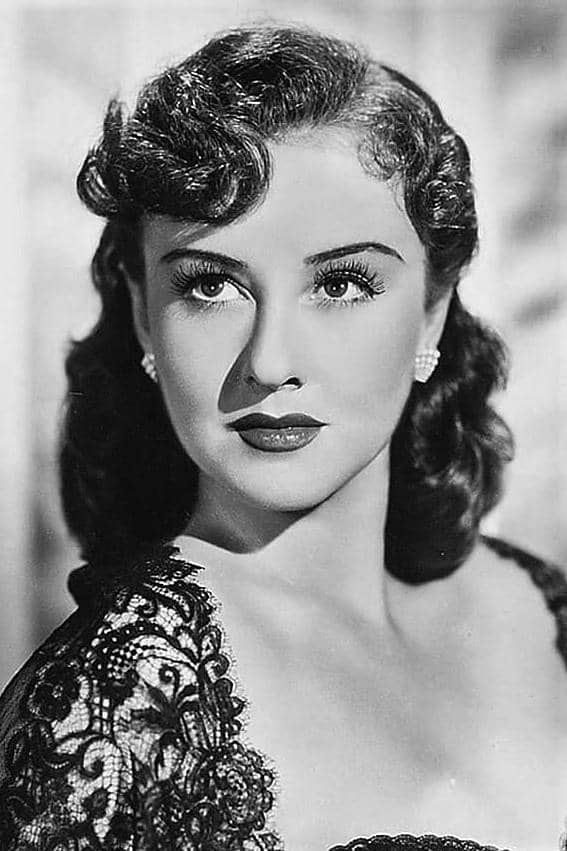

Details

Reviews
Steve
www.noiroftheweek.com This week's Noir of the Week is Scarlet Street. Its one of my favorite films. Most of you already know the story and hopefully have seen the new release of the film on DVD from Kino International. The film was directed by Fritz Lang and was based on the 1930's French film, La Chienne. Scarlet Street is about a common bank cashier in the 1930s who succumbs first to vice and then murder. I won't give the plot away, because I'd run out of room writing all the film's twists and turns. What I enjoy about this film is the common man (played by Edward G. Robinson) is as selfish as Kitty and Johnny (Joan Bennett and Dan Duryea). There isn't a good person in the whole story. Even his boss (cheating on his wife) and wife (old battle-axe) are evil to a degree. Most critics seem to think the film is a carbon copy of The Woman in the Window. I have to disagree. In that one, Robinson and Bennett are sophisticated and smart (OK, Duryea is the same). Robinson is spending the evening with the beautiful girl on a lark - just so he can brag to his friends. In Scarlet Street, Robinson plays a man who married his wife because he was dying of loneliness. In the middle of Scarlet Street, he says "I've never seen a naked woman!" to his wife giving us a pretty good hint that they never even consummated their relationship. Cross is a dreamer. His two dreams stated in the film was to become a painter and to have a "young girl" fall in love with him. He gets both. But his idea of love and art are selfish. In the book Dark City: The Film Noir by Spencer Selby, Selby writes how two of the characters view art; and how their view helps define them: "The idea of wishful dreams, around which Scarlet Street is built, becomes strongly linked with the idea of art. Cross' standing as Johnny and Kitty's key to riches is totally dependent upon his identity as an artist. To Johnny, great art is a "dream come true" solely because it is worth a lot of money. With Cross, the association of art, wishful dreams and glamorous love was first established in that early dialog with the friend. The link is extended and further clarified when he compares his love for Kitty to his love for art. Though more genuinely aesthetic than Johnny's, this association is really just as selfish and subjective. For both characters, art represents a dreamlike escape from the problems and frustrations that plague mundane existence. Johnny's dream takes a beating when he pierces the illusion of Cross' artistic fame by selling two of his paintings. However, in doing this he has set the stage for real success and a new illusion. As the work of Kathrine March, Cross' paintings become instantly popular and valuable. Johnny engineers this deception solely for his own profit, but thematically his action further reinforces the important link between art and illusion." Selby hits the nail on the head. Art for Johnny means money and for Chris romantic love. Both of these things will eventually destroy both of their lives. Watching the movie again I was taken by the three performances. Robinson plays the sap great. He's not as innocent as I first thought. True, he's run through the ringer. But in the end he kills a woman and lies to send a man to the electric chair. First, I thought that he was haunted by guilt after their deaths. He's not. He's haunted by the fact that he was made a fool of by Kitty and Johnny. Sitting in his room alone at the end he hears Kitty and Johnny's voices taunting him. They're telling him that now they can be together in death all thanks to him. Robinson's performance is more physical than verbal. When he knocks Johnny to the ground with an umbrella in a silent attack, he throws his arm in front of his face trying to block a blow that never comes. Much later, before he kills ice princess Kitty with a pick (appropriate), he walks into the room all hunched over looking much older than when he was walking on clouds in love. And how 'bout when he's forced to do the dishes wearing a flowery apron? Classic. Bennett in the film is the ultimate vamp. In the new print you can see her facial expression change to really tell what she's thinking. Hint: it's usually not what's coming out her mouth. Sure, Chris must be blind not to see he's being taken, but Kitty plays her role well. I love her apartment with dishes pilling up in the sink and her spitting grape seeds around the place. She's a lazy slob with some great legs. Bennett plays the part just right. She like Johnny even though he slaps her around. In fact, that's why she likes him. She states that if Chris wasn't so nice to her she would like him better. Kitty will do anything for Johnny and that's what gets her killed. Duryea is the big bad wolf. Boy is he good in this. Never has a performer been so good at entertaining as well as delivering on a part. The first time I saw this film, about ten years ago late at night on A&E, I remember flipping through a few books trying to find out who this guy was. He plays Johnny just right. His cloths even match his attitude. Everyone knows someone kind of like him. Johnny's always involved in schemes and trying to make it big without really trying. And blaming everyone else for his failures. Remember when Chris walks in and sees the two together in bed? What does Johnny do? He blames Kitty. In fact, every time something goes wrong, he blames her. Can you imagine anyone else pulling off the role? Of course, the film isn't just about the performances. Lang and his crew put together a stunning looking film. There are a number of scenes showcasing the films lighting and camera work (Milton Krasner is the Director of Photography). When Kitty is killed in the white bedroom by Chris; and Chris being haunted by voices in his seedy room come to mind. The script is filled with great dialog and quotable noir lines. Fritz Lang may be remembered for Metropolis, but for me his gift to film lovers is Scarlet Street.
John Chard
If he were mean or vicious or if he'd bawl me out or something, I'd like him better. Christopher Cross, in middle aged, and in a life going nowhere and devoid of love and inspiration. Till one evening he rescues Kitty March from a mugger, it's the start of a relationship that has far reaching consequences for them, and those closest to them. The previous year director Fritz Lang had made The Woman In The Window, a film that was hugely popular with critics and fans alike. Here he reunites from that excellent film with Edward G. Robinson, Joan Bennett and Dan Duryea, the result being what can arguably be described as one of the best exponents of Film Noir's dark sensibilities. Adapting from works by André Mouézy-Éon and Georges de La Fouchardière (novel and play), this story of desperate love and greedy deceit had already had a big screen adaptation from Jean Renoir in 1931 as La chienne, which appropriately enough translates as The Bitch! Now there's a Noir title if ever there was one! What Lang does with this adaptation is drip his own expressionism all over it, whilst crucially he doesn't ease off from the harsher aspects of the story. This is nasty, cruel stuff, and with Lang at the time feeling a bit abused and used by the studio system he was slave to, who better to darkly cloak a sordid story with a biting edge? Is it purely coincidence that Lang took on this film about a struggling artist who's vision is stifled by another? Possibly not one is inclined to feel. Edward G. Robinson is fabulous as the pathetic Chris Cross. Married to a wife who constantly heckles and belittles him (Rosalind Ivan), Robinson's take on Cross garners empathy by the shed load, so much so that once Kitty (Bennett) and her beau, Johnny Prince (Duryea), start to scheme a scam on Chris, the audience are feeling as desperate as Cross was himself at the start of the movie. Few noir guys have so meekly fell under a femme fatale's spell as the way Cross does for Kitty here. But such is Lang's atmospherics, you not only sense that it's going to go bad, you expect it to, and naturally Robinson is just the man to punch us in the guts with added impetus. Bennett and Duryea are very convincing, almost spitefully enjoying taking the hapless Robinson character for everything they can, and the visuals, especially during the bleak, shadowy last couple of reels, cap the mood perfectly. This film is in truth probably saying more about its director than anything else that he made. And in fact it was said to be one of his all time favourites. That's nice to find out because it finds him on particularly good, and yes, devilish form. Grim, brilliant and essential film noir. 9/10
CinemaSerf
It's interesting to see Edward G. Robinson cast as the downtrodden bank cashier, trapped in a loveless marriage, who has a penchant for painting. He comes to the rescue of a damsel in distress "Kitty March" (Joan Bennett) who is having a tough time with her loutish boyfriend "Johnny Prince" (Dan Duryea). He falls for her hook, line and sinker only to discover she has assumed that he is a wealthy man and she tries to manipulate and embezzle from him. Soon, he is caught in a cyclical trap and we know he is heading for disaster. What is most odd is the sight of Robinson in an apron preparing some liver. A clever crime thriller from Fritz Lang with good performances from the three principals.
griggs79
Why on earth did they decide to colourize _Scarlet Street_? This is a film where every shadow, every drop of rain, and every grimy street corner needs to be black and white to intensify its moody, bleak atmosphere. The grayscale isn’t just aesthetic; it’s the very essence of the story’s dark descent and the bleakness surrounding its characters. Stripped of that stark, high-contrast style, it loses the bite and grit that makes it a quintessential noir. The decision to colourize it feels almost sacrilegious, robbing it of its noir identity and the raw power of Fritz Lang’s vision. This vision should be preserved and respected. Thankfully, I found a version of _Scarlet Street_ that had not been subjected to unnecessary and destructive colourization. In its original black-and-white, the film finally exuded that dark, oppressive vibe that colour could never capture, allowing Lang's film to hit the way intended. Oh, and of course, that one scene Tarantino would love.
Scarlet Street FAQs
The directors of Scarlet Street are Fritz Lang and Melville Shyer.
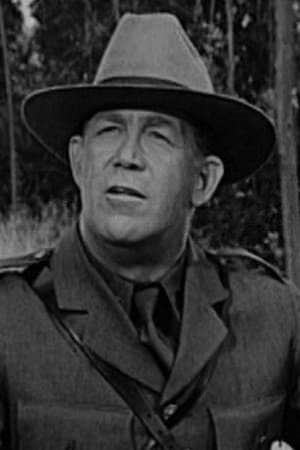
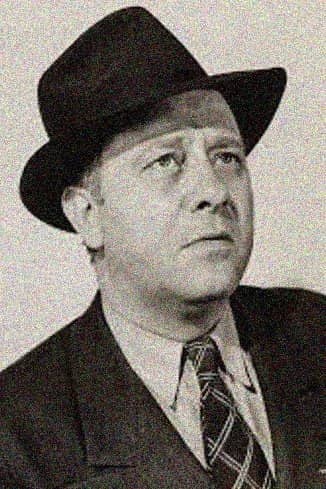
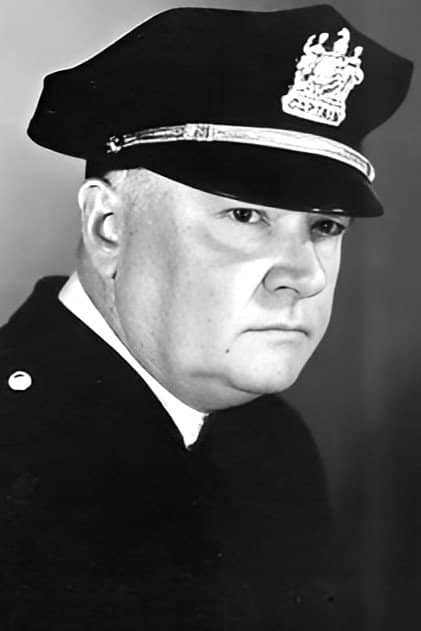
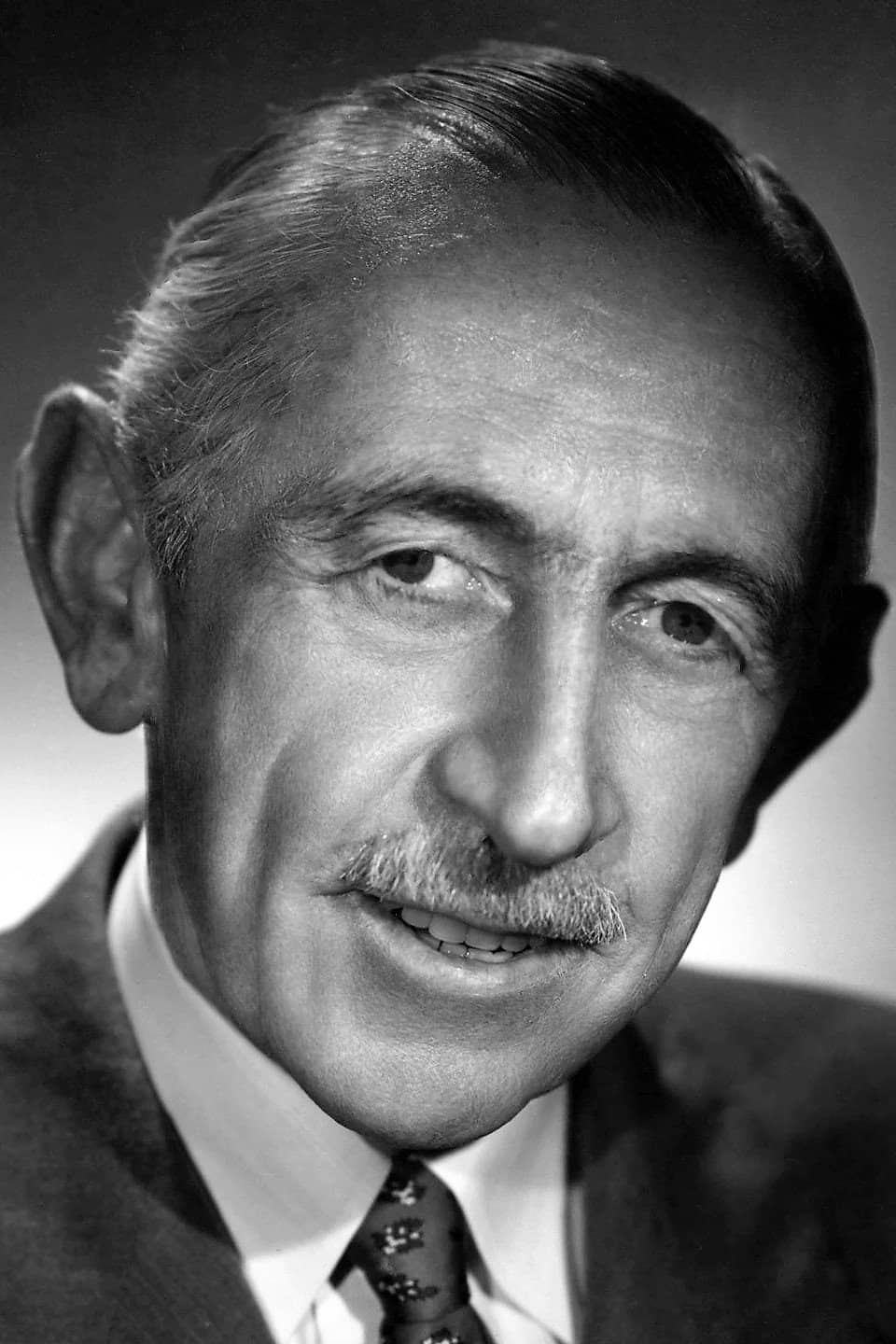
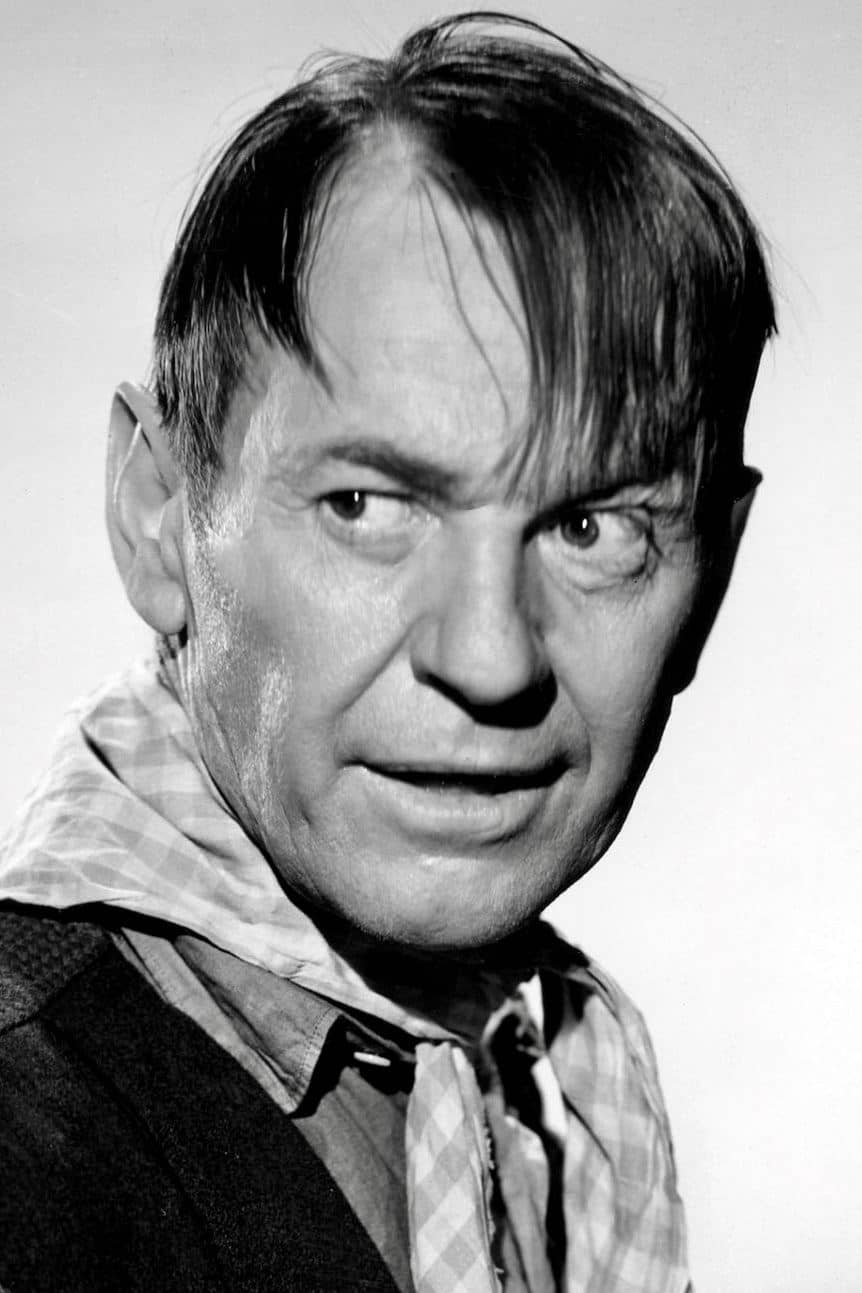
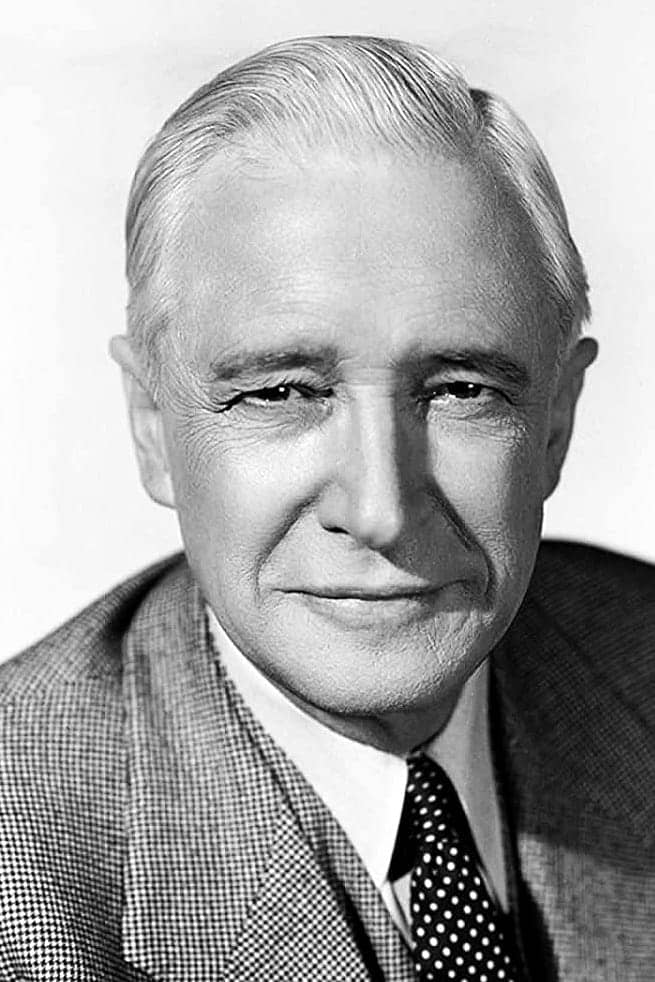
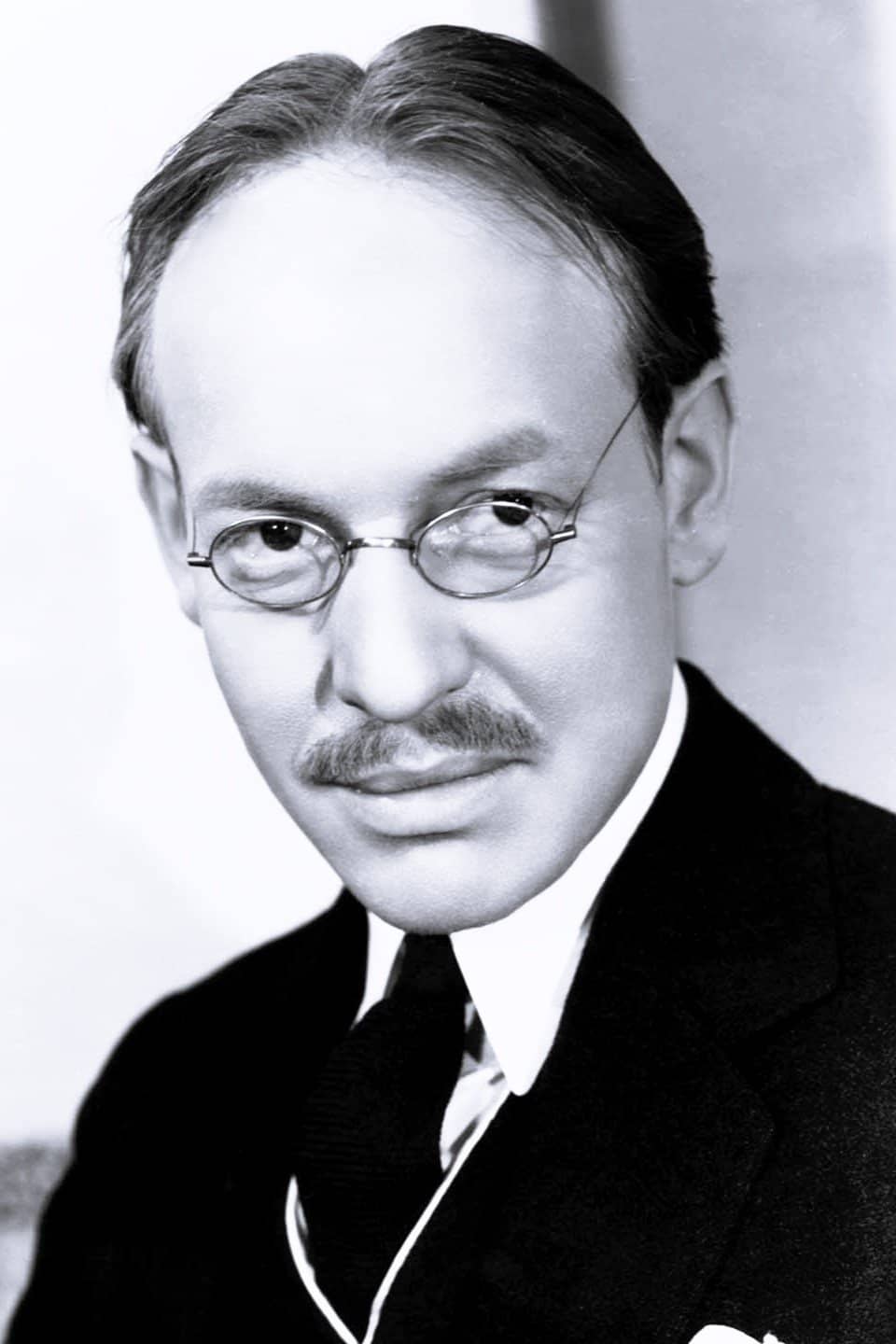
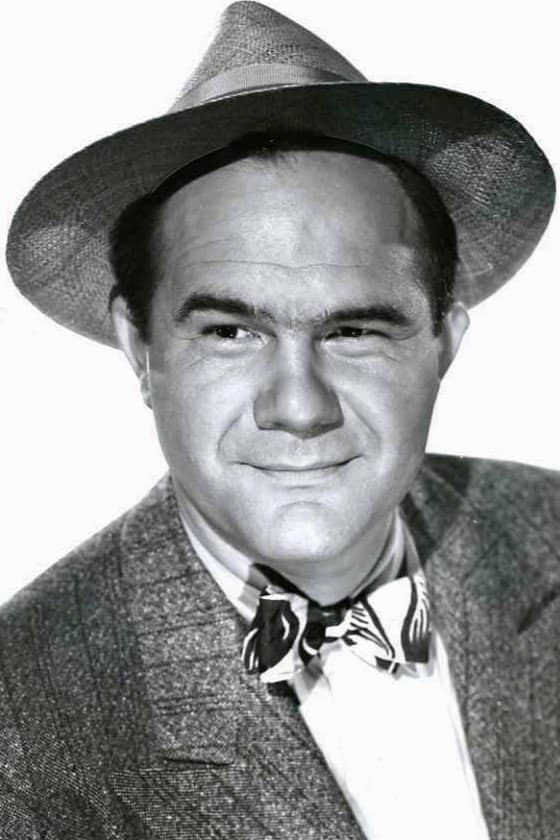
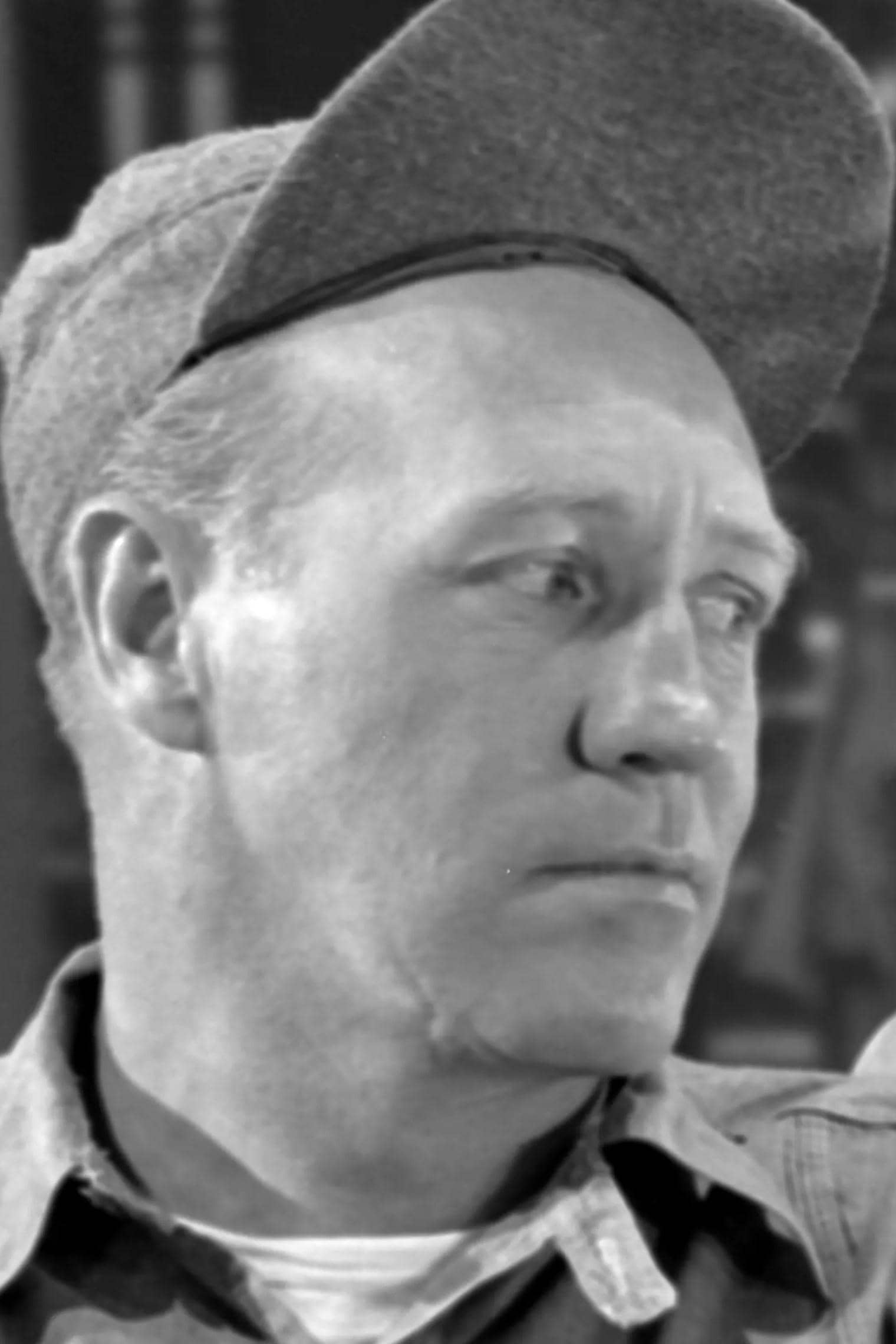
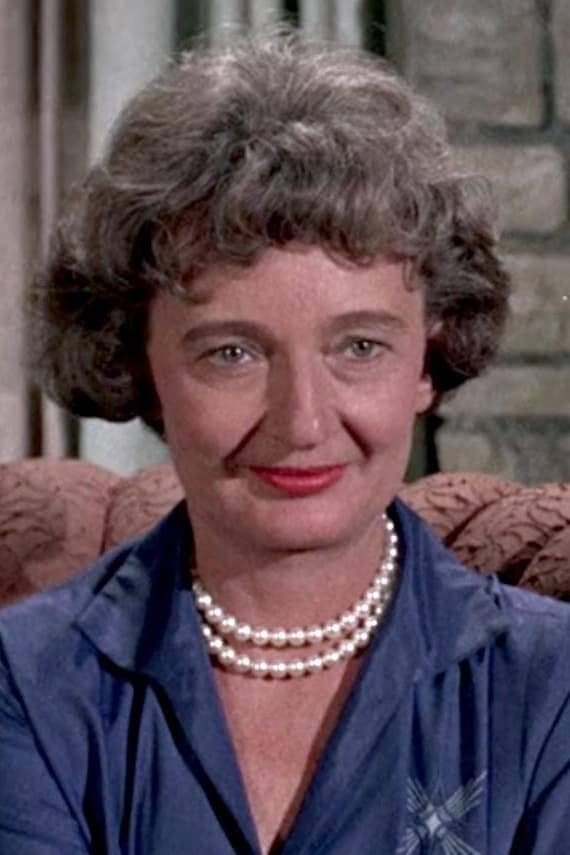
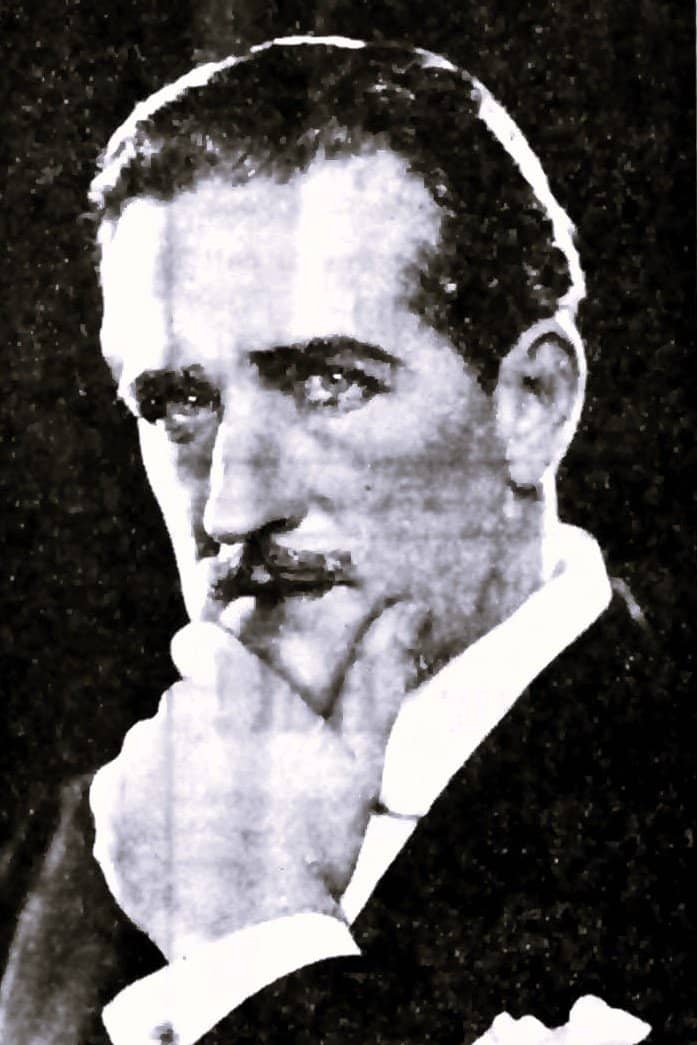
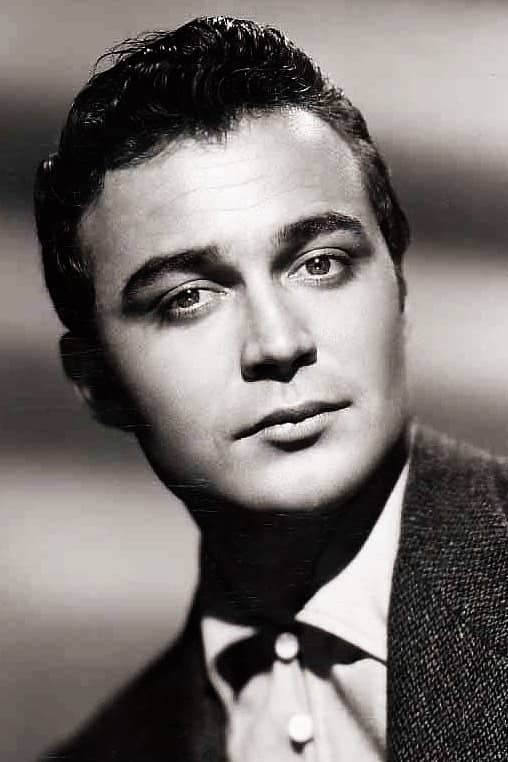
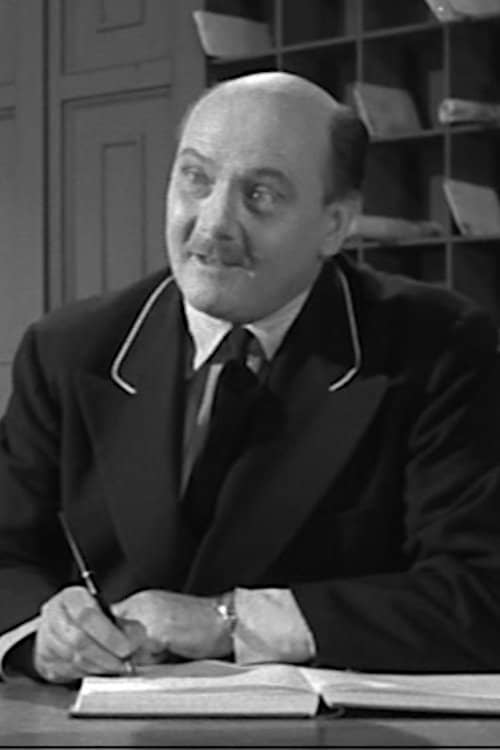
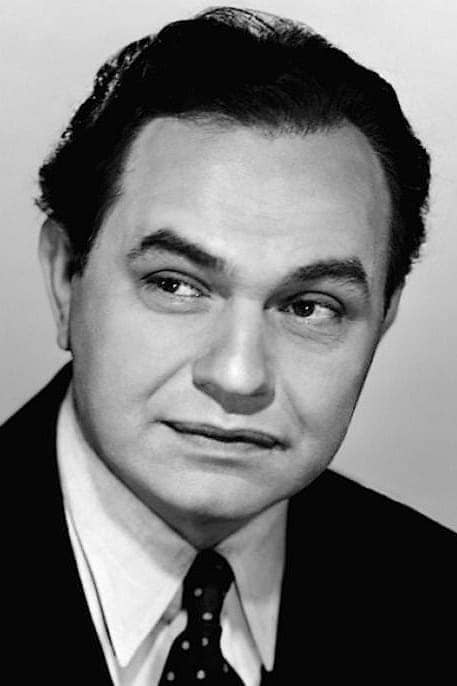
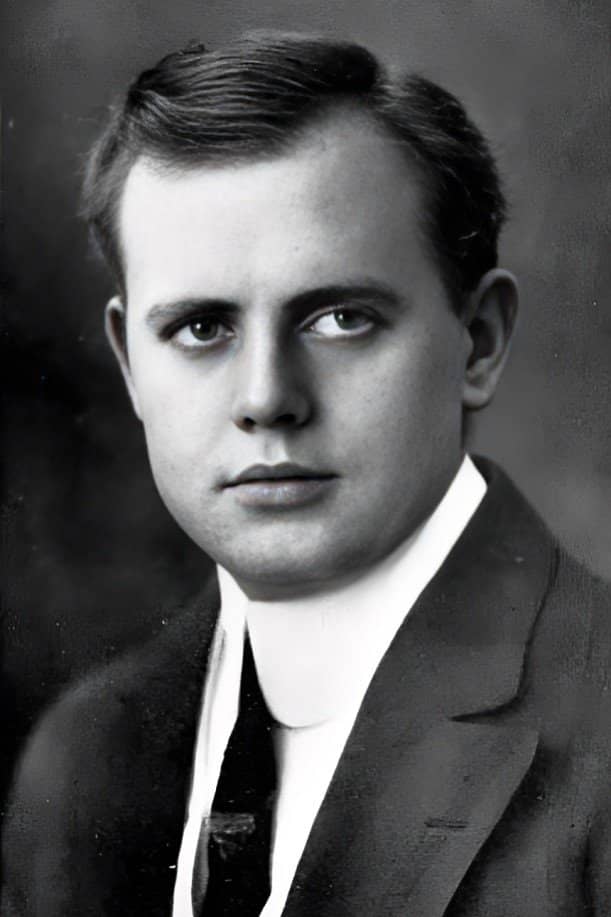
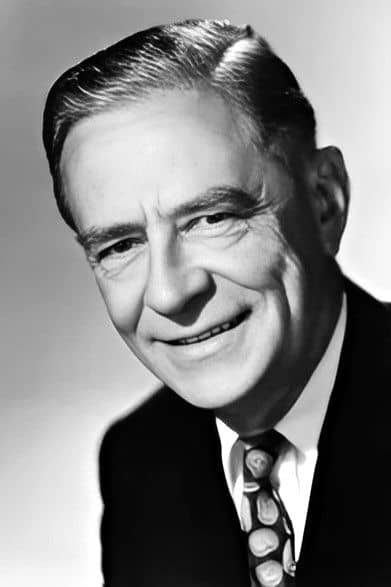
The cast of Scarlet Street includes Vladimir Sokoloff as Pop LeJon, Cy Kendall as Nick (uncredited), George Lloyd as Vince Conway, Ledger (uncredited), Edgar Dearing as Policeman (uncredited), Arthur Loft as Dellarowe, Charles Cahill Wilson as Watchman (uncredited), Will Wright as Globe Loan Office Manager (uncredited), Milton Kibbee as Employee (uncredited), Russell Hicks as J.J. Hogarth, Ralph Dunn as First Policeman in Park (uncredited), Chuck Hamilton as Chauffeur (uncredited), Syd Saylor as Tom Crocker, Evening Globe (uncredited), and more.
The duration of Scarlet Street is 1h 43 mins.
You can watch Scarlet Street on Cultpix (Subscription), Plex (Free), JustWatch TV (Free), Plex Channel (Free), Artiflix (Free), and Tubi TV (Ads). Check this Fanbiz page for the latest platforms.
Scarlet Street was released on 25 Dec 1945.
Scarlet Street is listed under Drama and Crime on Fanbiz.
Scarlet Street has 4 reviews on Fanziz, with an average rating of 8.3/10. One reviewer wrote: "www.noiroftheweek.com This week's Noir of the Week is Scarlet Street. Its one of my favorite films. Most of you already know the story and hopefully have seen the new releas..."
