

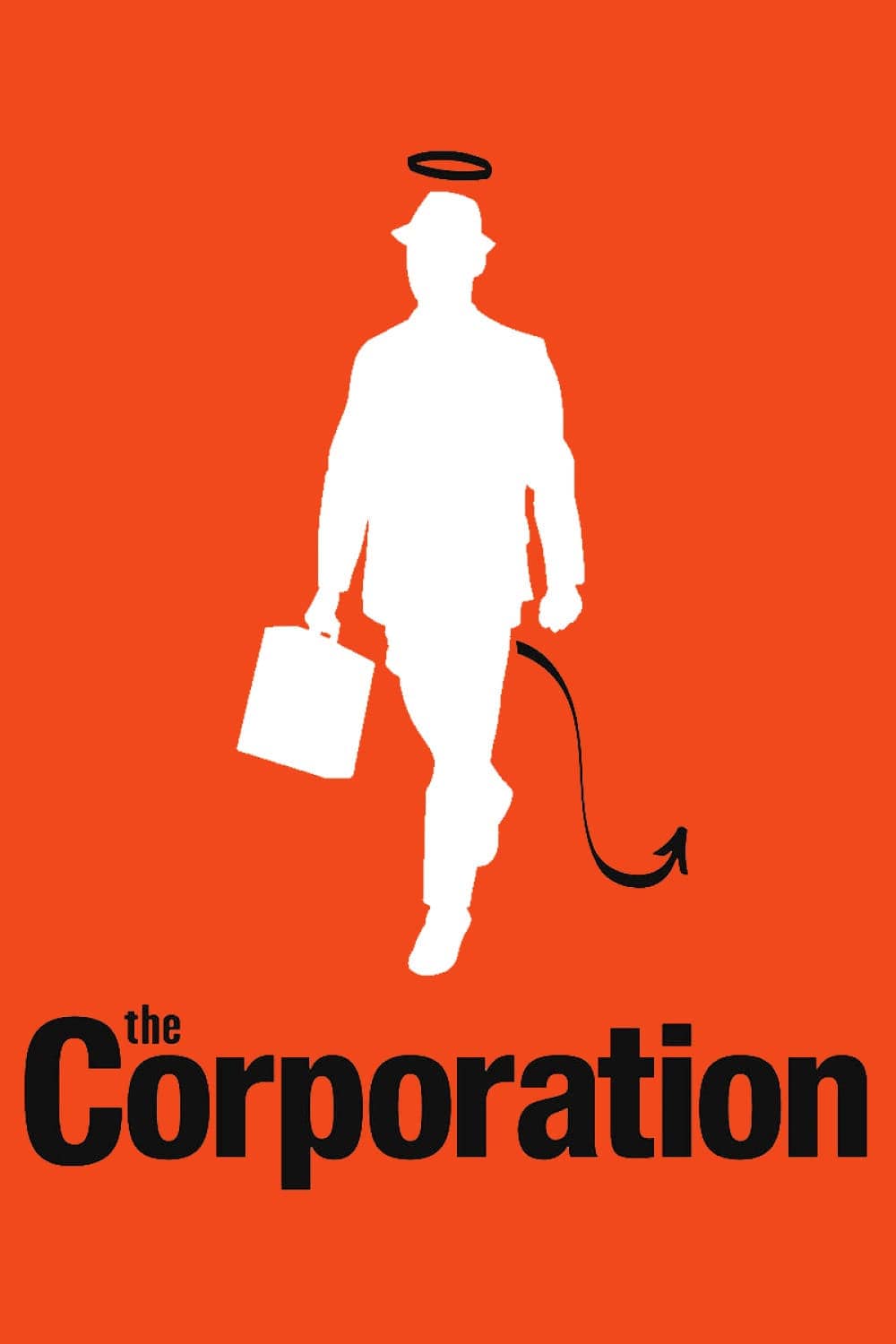
The Corporation
Since the late 18th century, when American law first accorded corporate entities legal personhood, the corporate form has emerged as a dominant economic, political, and social force worldwide. This film provides an incisive psychological analysis of the corporate model, explored through a sequence of case studies. It demonstrates that, in its conduct, this 'person' often behaves like a dangerously destructive psychopath without a conscience. The work also lays bare the profound threat such a psychopath poses to our world and future, while presenting the strategies of courageous, intelligent, and determined individuals who can intervene to stop it.
Director(s)
Michael Moore
Karen Lam
Mark Achbar
Jennifer Abbott
Cast & Crew












Details

Reviews
GenerationofSwine
This is interesting, but dated. Back in 2003 the left was still anti-corporation, they didn't support the outsourcing of jobs, they didn't support the accountability that theses institutions had they were fairly unified in their condemnation of it. Today there is a clear shift and we aren't seeing that much of it, Nike hasn't changed their practices of out-sourcing and sweatshops and are now an iconic brand on one side of the divide. Outsourcing is now supported by the left where "the jobs aren't coming back, deal with it" is a commonly heard phrase there. It wasn't back in 2003. So, watching it in 2003 as opposed to 2018 it's interesting to see a lot of the same faces that once opposed it speaking on the news in favor of how the corporations work today. If memory serves, Noam Chomsky is the only political voice that hasn't made an abrupt shift or dialed it back in the decade plus since it's release. Despite the shift in some of the voices heard in the documentary, it does do an excellent job tracking the evolution of the corporation in the United States, how it started in our earliest days, straight through how it became an individual entity politically, and onto how that identity as a "person" effected our politics. And, at times, it was moving, given that it did treat people who work for corporations very well, even interviewing them so that they can express that, yes, they too had the same concerns as the people protesting them, but were bound by the law to pursue policies that would generate the most profit for their shareholders, which illustrates an interesting problem that is often ignored with discussing the topic. It remains educational today, even if there has been a distinct shift on how the topic and some of the corporations highlighted are handled by the people interviewed for the documentary.
All Trailers

Part of the Series
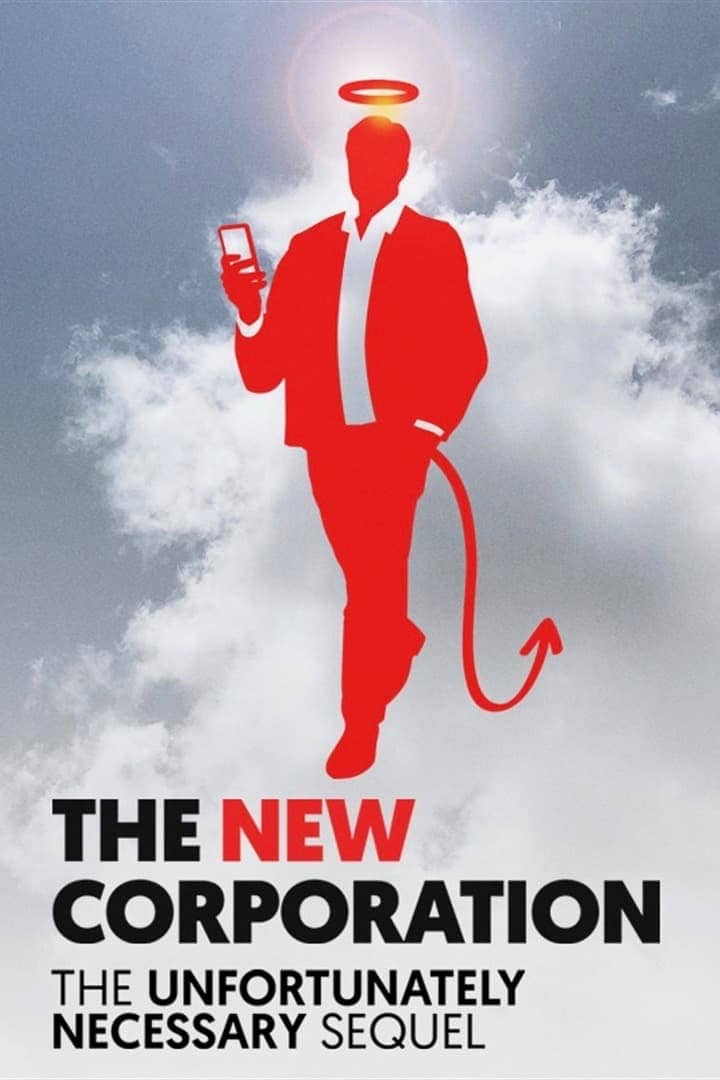
The Corporation FAQs
The directors of The Corporation are Michael Moore, Karen Lam, Mark Achbar, and Jennifer Abbott.
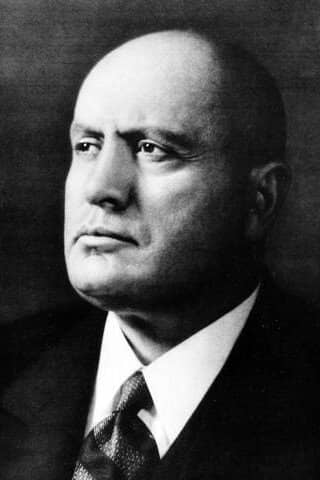
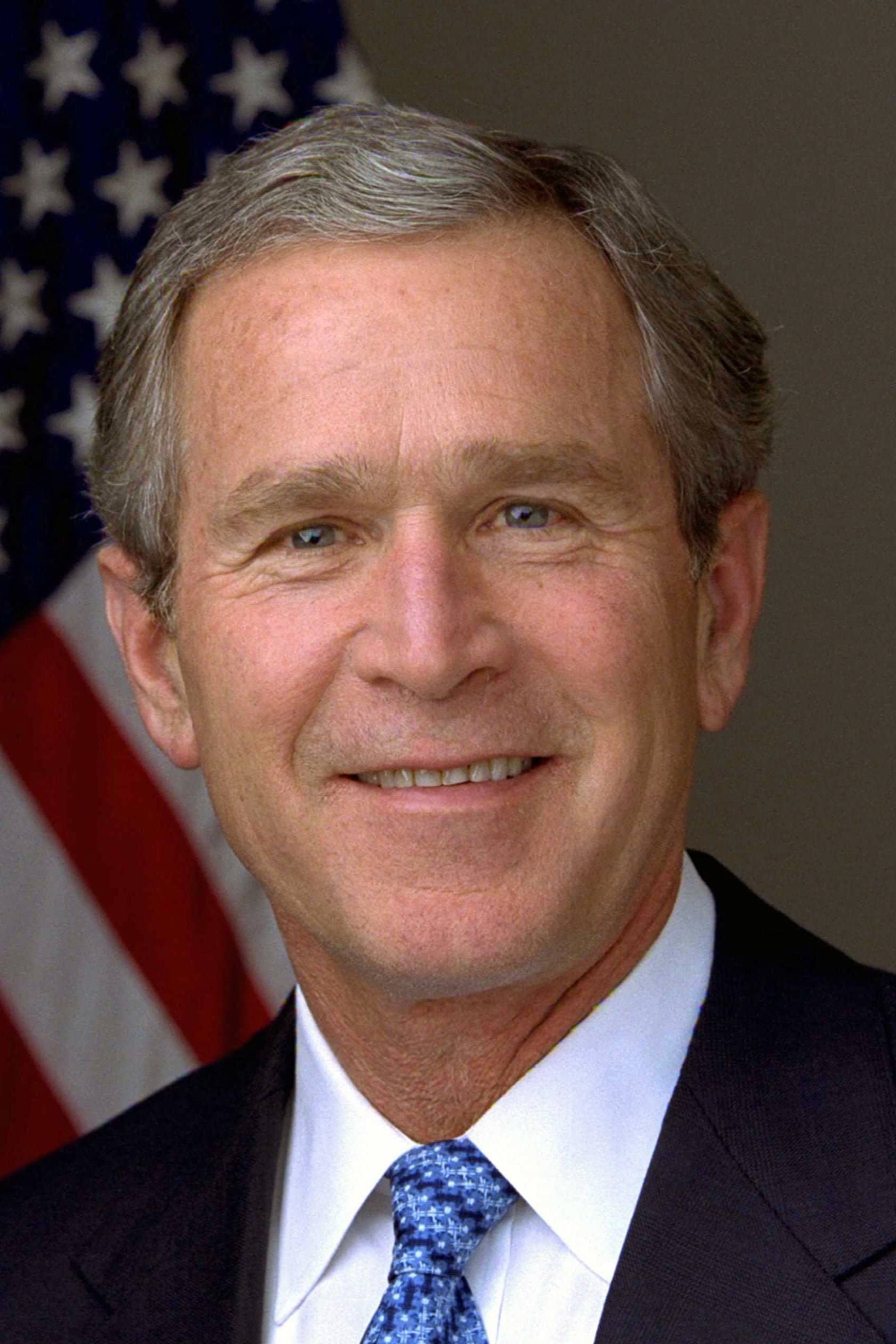
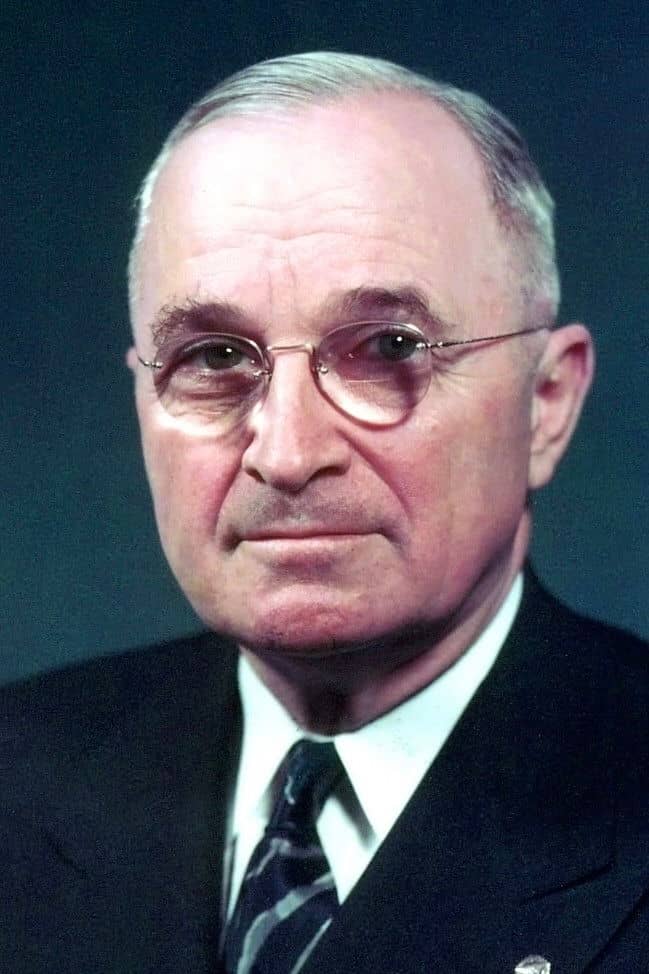
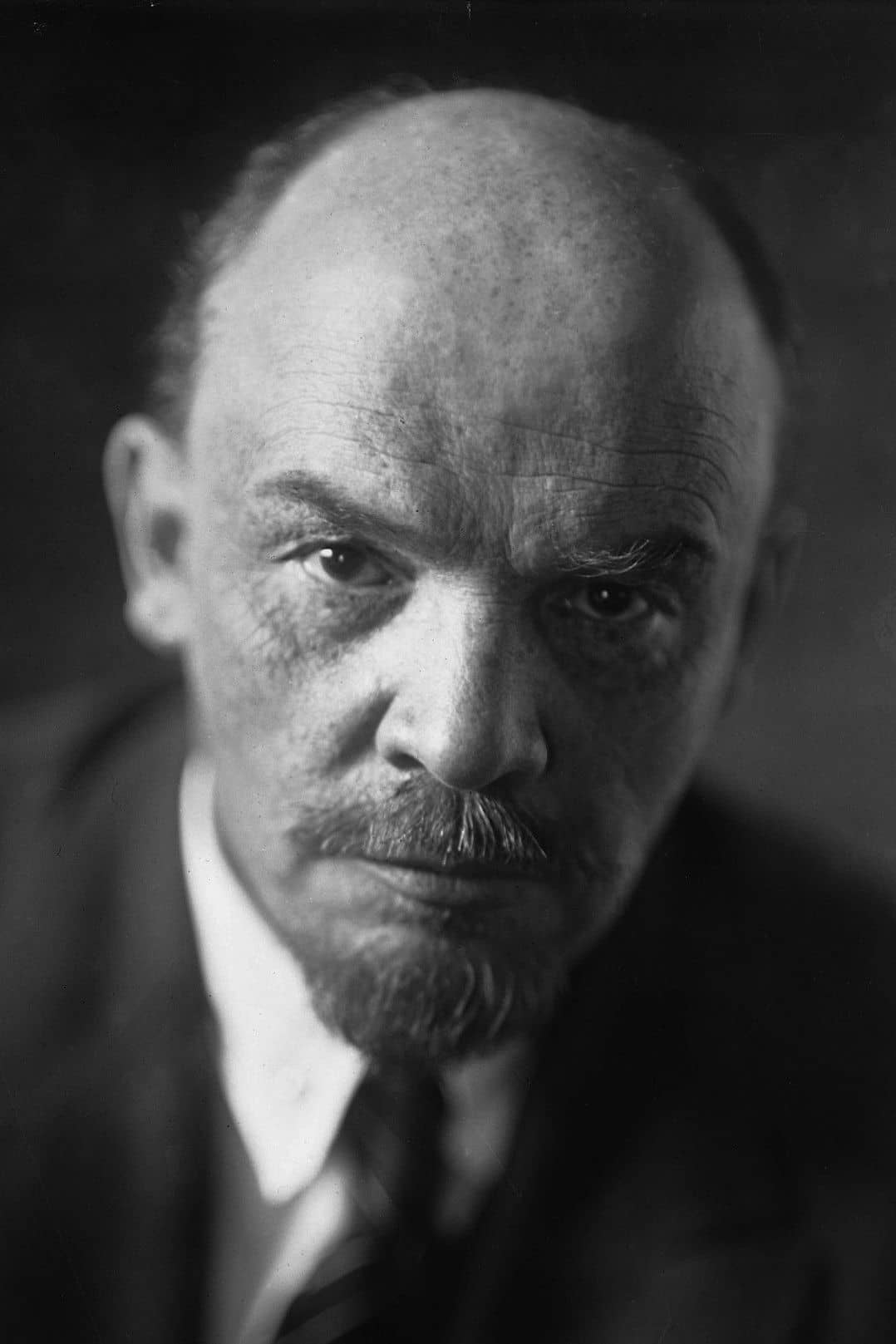
The cast of The Corporation includes Martin Luther King Jr. as Self (archive footage), Winston Churchill as Self (archive footage), Joseph Stalin as Self (archive footage), Adolf Hitler as Self (archive footage), Benito Mussolini as Self (archive footage), Nina Jones as Actor - Dramatizations, George W. Bush as Self (archive footage), Harry S. Truman as Self (archive footage), Nelson Mandela as Self (archive footage), Vladimir Lenin as Self (archive footage), Noam Chomsky as Self, John XXIII. as Self (archive footage), and more.
The duration of The Corporation is 2h 25 mins.
Yes. You can watch the The Corporation trailer on this Fanbiz page on Fanziz.
The Corporation was released on 10 Sep 2003.
The Corporation is listed under Documentary on Fanbiz.
The Corporation has 1 review on Fanziz, with an average rating of 10.0/10. One reviewer wrote: "This is interesting, but dated. Back in 2003 the left was still anti-corporation, they didn't support the outsourcing of jobs, they didn't support the accountability that theses..."
